Jordanian Islamic Calligraphy by Afnan Naser Chowdhury
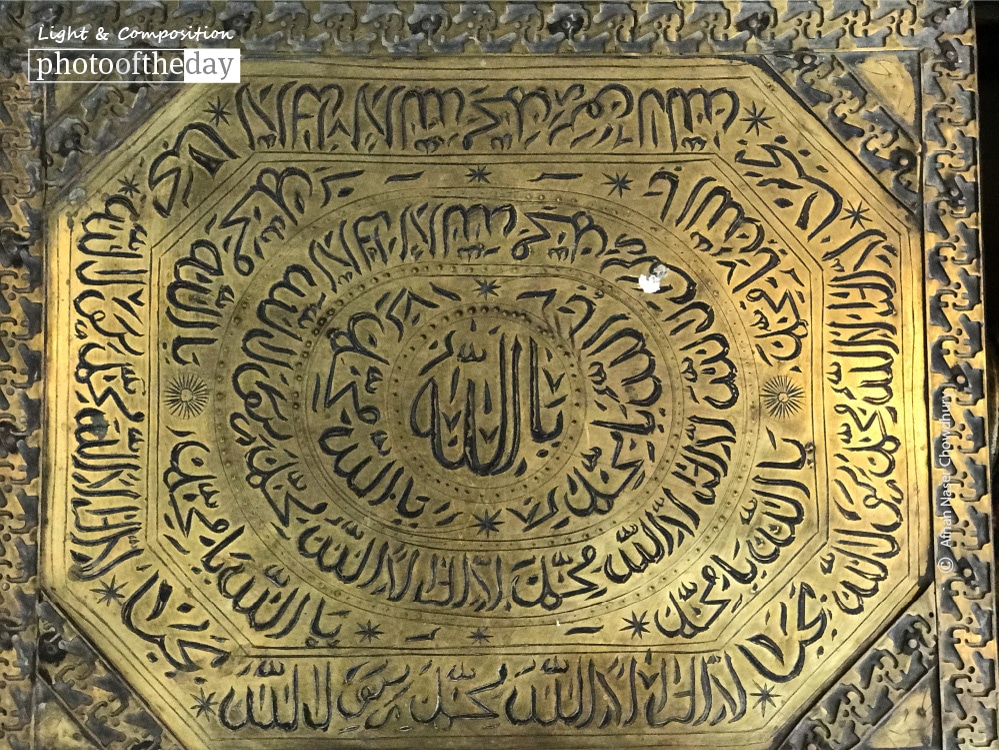
Captured within a traditional Jordanian ceramic workshop, this photograph highlights the intricate beauty of antique Islamic calligraphy. The photographer utilized a 70mm focal length to isolate the delicate, rhythmic strokes of the script, emphasizing the profound connection between the art form and its Quranic origins. By focusing on the texture and precision of the handwriting against the ceramic backdrop, the image honors the cultural heritage of the region. Its award-worthy status stems from the photographer's ability to transform a static, historical artifact into a compelling visual narrative that celebrates the timeless elegance of Islamic artistic practice.
Afnan Naser Chowdhury
Afnan Naser Chowdhury is a Virginia-based photographer who developed a deep passion for the craft while pursuing his Bachelor’s degree at North South University. With a childhood foundation in painting and a keen interest in the natural world, he brings a unique artistic sensibility to his work. Beyond his photographic pursuits, he maintains a strong interest in technology and enjoys engaging with the global creative community through platforms like Light and Composition.
Resonance Score Breakdown
Transparency Note: The resonance score (11.2/20) is calculated based on social engagement metrics collected before the award announcement.
Expert Photography Reviews · 4
The Ink of Ancestors
I keep a small, dried-up fountain pen in my desk drawer, its nib stained with a dark, stubborn ink that has long since stopped flowing.
Read the reflection →The Ink of Eternity
Can a single line ever truly contain the infinite? We spend our lives tracing boundaries, carving our names into the soft clay of existence, hoping that the marks we leave behind will outlast the hand that made them.
Read the reflection →Reviews & Comments
Share your thoughts about this award-winning photograph. Your reviews contribute to the community engagement score.
We look at these ceramic curves and we aren’t just seeing ink; we’re hearing the breath of the scribe. Afnan Naser Chowdhury didn’t just photograph a surface; they listened to the rhythm of the hand that held the brush. It’s a quiet, sacred conversation etched in clay. I find myself leaning in, wanting to trace those lines myself. It’s a photograph that asks to be returned to, reminding us that every stroke holds a human heartbeat.
It’s easy to snap a ceramic pot, but capturing the rhythmic tension of that script requires a stillness most lack. I’ve spent enough afternoons in dusty workshops to know the light doesn’t just fall like that; you have to wait for the sun to crawl across the clay. Chowdhury clearly didn’t rush. There’s a quiet, tactile weight here that I find genuinely moving. One suspects they didn’t leave until the shadows finally agreed to cooperate.
At 1/25sec, Chowdhury flirts with the threshold of motion, yet pulls back into a safe, clinical sharpness. I’m left craving a deeper surrender to the blur. Why resolve the calligraphy so rigidly? If the script is spiritual, why not let the ink bleed into the ceramic’s grain? It’s technically competent, sure, but I’d trade that resolution for a ghost of the hand’s movement. It’s a missed opportunity to capture the rhythm, not just the object.
The light hits the ceramic and the world stops. It’s a tight, 70mm close-up that feels like a slow pan across a sacred text. I’m breathless watching the ink breathe against the clay. Chowdhury didn’t just snap a relic; he held the shutter until the rhythm of the calligraphy became a heartbeat. It’s a frame the editor keeps because the cut would’ve been a mistake. You can feel the silence of the workshop in every stroke.