The Ink of Ancestors
I keep a small, dried-up fountain pen in my desk drawer, its nib stained with a dark, stubborn ink that has long since stopped flowing. It belonged to a grandfather I never met, yet when I hold it, I feel the weight of the words he might have written—the promises, the quiet prayers, the lists of things he hoped to leave behind. There is a specific, heavy silence in handwriting that has outlived the hand that moved it. We spend our lives trying to leave a mark, carving our thoughts into paper or stone, hoping that the rhythm of our own existence might be read by someone else, centuries later. It is a strange, beautiful burden to be the keeper of these echoes, to trace the curves of letters that were once someone’s heartbeat. We are all just temporary vessels for the stories we inherit, trying to ensure that when the ink finally dries, the meaning remains. What part of your own story are you still waiting to write?
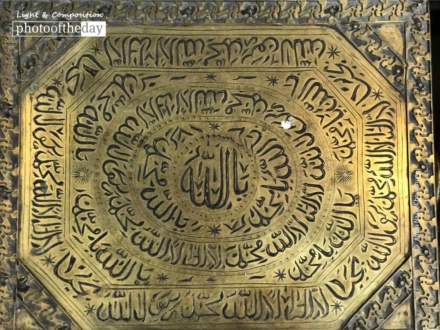
Afnan Naser Chowdhury has captured this sense of enduring legacy in the beautiful image titled Jordanian Islamic Calligraphy. It reminds me that some marks are meant to outlast the moment they were made. Does this rhythm of ink speak to you as it does to me?