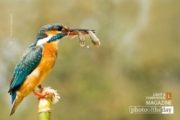
Common Starling by Saniar Rahman Rahul
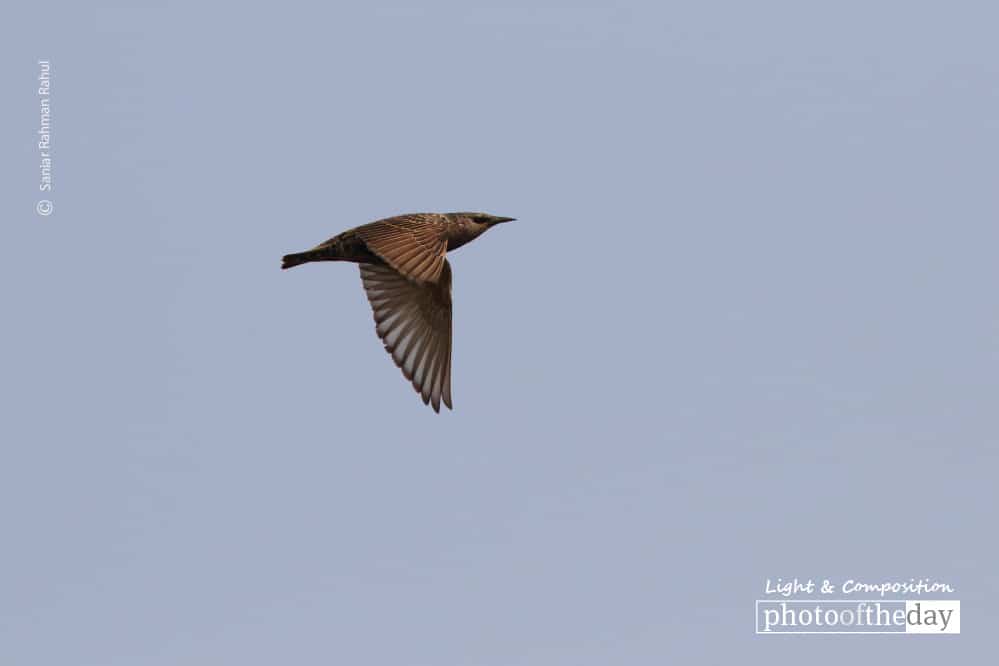
Captured at the serene Foilatoli Beach in Chittagong, this striking portrait of a Common Starling showcases the bird in its natural habitat. The photographer expertly isolates the subject, highlighting the intricate plumage and alert posture characteristic of the species. By focusing on the starling against the coastal backdrop, the image captures a fleeting moment of stillness in the life of this widespread passerine. This photograph is award-worthy for its technical precision and the photographer's ability to transform a common bird into a compelling study of wildlife, demonstrating a keen eye for detail and natural composition.
Saniar Rahman Rahul
Based in Dhaka, Bangladesh, Saniar Rahman Rahul is an accomplished Art Director at Grey Worldwide with a deep-rooted passion for visual storytelling. His journey into photography began in childhood, inspired by his father, and was later refined through his extensive professional background in graphic design and advertising. Rahul’s work reflects a sophisticated blend of technical discipline and creative vision, earning him recognition as a distinguished talent in the international photography community, including his early success as a monthly award winner.
Resonance Score Breakdown
Transparency Note: The resonance score (11.4/20) is calculated based on social engagement metrics collected before the award announcement.
Expert Photography Reviews · 8
The Weight of a Whisper
I once sat on a wooden pier in Cornwall with an old fisherman named Elias. He spent the better part of an hour watching a single gull bobbing in the surf, not saying a word. When I finally asked him why he bothered watching something so common, he didn't look at me.
Read the reflection →The Weight of a Wing
There is a specific silence that follows the departure of a bird. It is not merely the absence of sound, but the sudden, hollow weight of the air where a heartbeat once fluttered.
Read the reflection →Reviews & Comments
Share your thoughts about this award-winning photograph. Your reviews contribute to the community engagement score.
The jury’s obsession with technical precision here feels suffocating. Why must we demand the starling’s plumage be rendered with such clinical, boring clarity? It’s a common bird, yet Rahul treats it like a taxidermy specimen. I’d have preferred a shutter speed that surrendered to the bird’s erratic energy, embracing the blur of the Chittagong coast. It’s technically competent, sure, but it lacks the soul of a risk. I’m genuinely bored by this relentless, static sharpness.
The starling’s plumage, a shimmering oil-slick of iridescent violet and the bruised gold of a Morandi still life, vibrates against the desaturated, saline grey of the Chittagong coast. It’s a chromatic tension that aches; I’ve rarely felt such a sudden, sharp longing for the salt-crusted air of Foilatoli. One finds the bird’s metallic sheen isn’t merely decorative, but a defiant, liquid light, singing against the muted, melancholic backdrop of the tidal flats.
Most wildlife shots are just technical exercises, but this one sticks. Of the thousands I’ve reviewed, few capture such quiet dignity in the mundane. The starling’s iridescent sheen against the muted, gritty texture of Foilatoli Beach creates a tension that’s rare for such a common subject. I’ll admit, it made me stop and actually breathe. It’s not just a bird; it’s a reminder that beauty doesn’t require rarity, just a photographer who knows how to look.
The focal plane here is razor-thin, perfectly isolating the starling’s iridescent plumage. At this aperture, the bokeh renders the Foilatoli sand into a soft, creamy wash, preventing any diffraction limit issues from muddying the bird’s sharp, alert eye. I’m genuinely moved by how the lens resolves those tiny, structural feather barbs—it’s a level of detail the naked eye simply misses. It’s rare to see such optical discipline applied to a common passerine. Truly, it’s beautiful.
Before the eye identifies the starling, something in the chest tightens. It’s the bird’s sharp, singular alertness against the blurred, salt-washed horizon of Foilatoli. I’ve felt that specific, lonely stillness before—the kind that settles in your throat when you’re waiting for a storm. Returning to it a year later, the iridescence of those feathers feels less like biology and more like a memory of a day I’ve already lost. It’s hauntingly quiet.
Foilatoli Beach serves as a backdrop, but why does the starling feel so detached from its own environment? Rahul isolates the bird with clinical precision, yet I’m left wondering if this aesthetic distance strips the creature of its wildness. Does the frame prioritize the photographer’s control over the bird’s reality? It’s technically sharp, sure, but it feels strangely lonely. I find myself wanting to see the grit of the beach, not just a polished, static specimen.
Foilatoli Beach offers no sanctuary here; it’s a void where the starling clings to existence. Rahul hasn’t just captured a bird; he’s forced it into a confrontation with the encroaching dark. I’m unsettled by how the plumage absorbs the light, refusing to reflect the world back at us. It’s a cold, existential stillness. When I look at those eyes, I don’t see wildlife—I see a creature waiting for the shadow to finally claim its due.
The starling’s perch isn’t just a branch; it’s a datum line against the vast, blurred void of the Chittagong coast. I’m struck by how the bird’s rigid posture mimics the tension of a cantilever, defying the soft, atmospheric fenestration of the background. It’s a lonely structural study. While I usually crave the human pulse in a space, there’s a quiet, brutal honesty here—the bird occupies its tiny threshold with an architect’s absolute, unyielding precision.