Life in the Hutong by Ronnie Glover
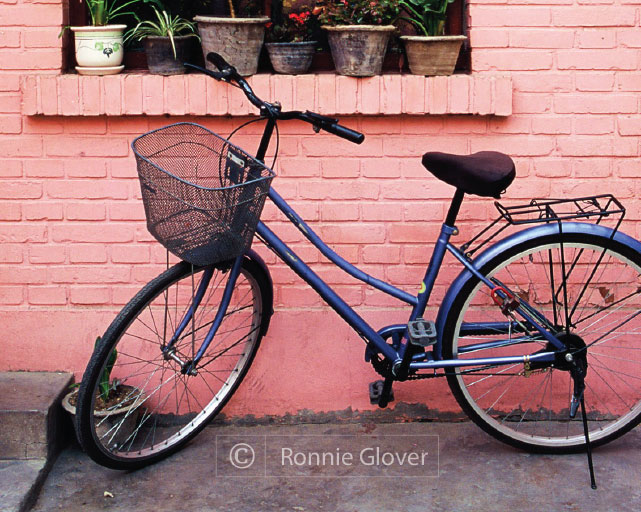
In this evocative capture, a solitary bicycle rests outside a family home within the historic hutongs of Beijing. The photograph highlights the quiet, intimate atmosphere of these traditional narrow alleyways, where the pace of life feels distinct from the surrounding modern metropolis. By focusing on the humble bicycle as a symbol of daily transit and local character, the photographer masterfully frames a slice of authentic Chinese life. The image is award-worthy for its exceptional composition, which transforms a simple, everyday scene into a poignant narrative of cultural heritage and the enduring spirit of community found in Beijing’s ancient residential corridors.
Ronnie Glover
Based in Gig Harbor, Washington, Ronnie Glover is a dedicated photographer whose creative journey was shaped by formal training at the Southeastern Center for the Arts in Atlanta. His extensive experience includes fourteen years of capturing the rugged beauty of Alaska, which profoundly influenced his appreciation for nature and diverse cultures. Beyond his traditional work, Glover explores the dynamic fields of sports and travel photography, while also embracing the modern evolution of mobile imagery. His work serves as a bridge, inviting viewers to discover the inspiration found in physical pursuits and the rich tapestry of global traditions.
Resonance Score Breakdown
Transparency Note: The resonance score (14.2/20) is calculated based on social engagement metrics collected before the award announcement.
Expert Photography Reviews · 8
The Grit of Old Stone
The smell of damp earth after a long rain always brings me back to the alleyways of my childhood. It is a scent that clings to the back of the throat, metallic and cool, like pressing your cheek against a wall of weathered brick.
Read the reflection →The Weight of Arrival
There is a particular grace in things left behind. We spend our days in a rush, convinced that our worth is tied to the distance we cover, yet the objects we set aside tell a different story.
Read the reflection →Reviews & Comments
Share your thoughts about this award-winning photograph. Your reviews contribute to the community engagement score.
The bicycle’s geometry anchors the frame, creating a necessary fulcrum against the hutong’s receding walls. It’s a study in spatial tension. The negative space doesn’t collapse; it breathes. I’ve grown tired of sentimental alleyway shots, but this structure holds. The vertical lines of the door frame provide the discipline the scene requires. It’s precise. The composition doesn’t rely on the subject’s history, only the weight of its placement. It’s a rare, balanced success.
We look at this bicycle leaning against the weathered wall and we hear the silence of the hutong. It’s not just metal and rubber; it’s a companion that has carried a life through these narrow veins of Beijing. I feel a sudden, quiet ache for the person who parked it here, stepping inside to share a meal. It’s a portrait of a soul without showing a face. This is a photograph that asks to be returned to.
The frame holds its breath. That bicycle isn’t just parked; it’s anchored in the silence of the hutong, waiting for a scene that never starts. I love the way the light bleeds across the brick, suggesting a life just out of view. It’s a perfect long take. The cut would have been a mistake. You don’t need a dolly shot when the stillness tells you everything about the rhythm of this city. It’s haunting.
Of the thousands of street scenes I’ve reviewed, most vanish within a week. This one sticks. It’s the way the bicycle’s rusted frame leans against the weathered grey brick; it creates a quiet tension between decay and utility that feels honest. I’ve walked those alleys, and I felt a sudden, sharp ache of nostalgia looking at this. It’s not just a bike; it’s the anchor of a vanishing world. That’s why it’ll still matter in thirty years.
The muted, ochre-washed walls of the hutong evoke a Morandi-esque stillness, where the bicycle’s oxidized iron frame bleeds into the shadows like dried pigment on a weathered canvas. It’s a melancholic, dusty grey-blue that pulls at my heart, reminding me of the fading light in a Vermeer interior. One finds the atmosphere here isn’t merely captured; it’s breathed, a fragile, monochromatic harmony that makes me ache for the quiet, vanishing ghosts of Beijing’s ancient, narrow veins.
Before the eye identifies the bicycle, a sudden stillness settles in the chest. It’s the weight of a held breath, triggered by the way the shadow stretches across the weathered brick. I’ve felt this specific, hollow ache before—the quiet of a life left waiting. When I return to this frame a year later, the silence feels heavier, more intimate. It’s not just a street corner; it’s the lingering ghost of a commute long finished.
The bicycle leans against the grey brick. It’s a pause in the rush of Beijing. I’ve spent minutes staring at the wall behind it. The texture of the mortar. The way the light dies in the corner. It’s quiet here. I feel a sudden, sharp ache for this stillness. Nothing here is accidental. The empty corner is not empty. It holds the weight of a thousand days. It’s enough.
It’s a quiet study, though one wonders if Glover merely stumbled upon it while passing through. The light is flat, suggesting a quick snap rather than a vigil kept against the shifting shadows of those narrow walls. I’ve spent enough mornings shivering in alleyways to know when a frame hasn’t been earned. It’s pleasant enough, but it lacks the grit of a photographer who’s actually bothered to return until the scene truly surrendered itself.