Pomegranate of Kurdistan by Bawar Mohammad
Captured in the lush Hawraman region of Kurdistan, this evocative close-up highlights the vibrant textures of a pomegranate, a fruit deeply synonymous with the local landscape. By utilizing a tight focal length, the photographer emphasizes the intricate details and rich, organic patterns of the fruit, transforming a simple agricultural subject into a compelling study of form and color. The technical precision, combined with a keen eye for the cultural significance of the harvest, elevates this image, showcasing the photographer's ability to find profound beauty in the natural bounty of his homeland.
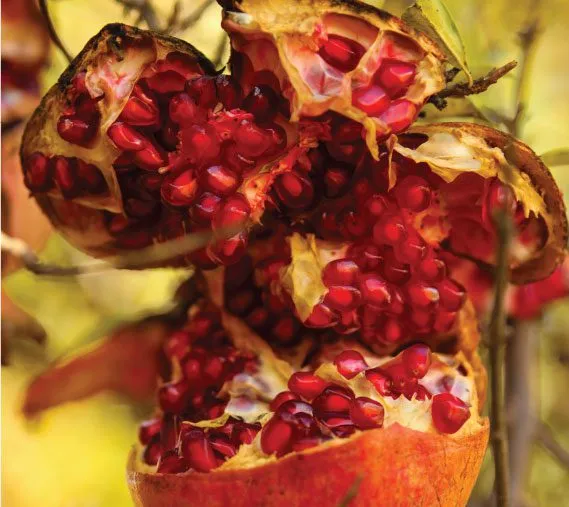
Exposure 1/160sec @ f/32 | ISO 100 | Focal Length 70-200mm
Bawar Mohammad
Born in 1985 in Duhok, Kurdistan, Bawar Mohammad is a computer science graduate from the University of Duhok who has dedicated his career to the arts. Currently serving within the directorate-general of culture and arts while working as a journalist and freelance photographer, he focuses his lens on the intersection of nature, human life, and regional heritage. Mohammad is driven by a global ambition to share the rich artistic narrative of his nation with the wider world through his evocative and observant photographic practice.
Resonance Score Breakdown
Transparency Note: The resonance score (14.1/20) is calculated based on social engagement metrics collected before the award announcement.
Expert Photography Reviews · 7
Stained by the Harvest
The smell of autumn is not leaves; it is the sharp, metallic tang of crushed fruit against a wooden table. I remember the way my fingers would turn a bruised, permanent shade of crimson after breaking open the thick, leathery skin of a harvest.
Read the reflection →The Architecture of Abundance
In the quiet geometry of a kitchen table, one often finds the most profound maps of human history. We tend to think of sustenance as a simple transaction—a hunger met, a thirst quenched—but there is a hidden architecture to the things we harvest.
Read the reflection →Reviews & Comments
Share your thoughts about this award-winning photograph. Your reviews contribute to the community engagement score.
The pomegranate’s skin, a bruised crimson reminiscent of a dying Turner sunset, bleeds into the shadows with such visceral intensity that one’s breath catches in the throat. It’s not merely fruit; it’s a Morandi-esque study of tactile decay, where the deep, oxblood crevices hold a silence so profound I’m almost afraid to touch them. The light doesn’t just illuminate; it caresses the leathery, sun-scorched surface, revealing a haunting, organic architecture that feels entirely, achingly alive.
A single fruit. The skin pulls tight against the seeds. It’s a study in tension. I’ve spent minutes watching the light catch those jagged edges. It doesn’t need the rest of the orchard. The background is gone. Nothing here is accidental. The empty corner is not empty. It’s a breath held in the Hawraman heat. I feel a sudden, sharp thirst looking at it. It’s quiet. It’s enough.
F/32 on a 500D? That’s a brave, stubborn choice for a bit of fruit. It suggests Bawar didn’t just stumble upon this pomegranate; he wrestled with the diffraction to get every seed in focus. I’ve spent enough afternoons shivering in orchards to appreciate the quiet focus required here. It’s a tactile, honest study. One suspects he waited for the light to settle just right. It’s a decent bit of work, earned through sheer, unhurried persistence.
In Hawraman, the pomegranate isn’t just fruit; it’s a vessel for the land’s memory. We look at these bursting, ruby seeds and we’re seeing the harvest of a thousand conversations. Bawar Mohammad didn’t just photograph a plant; he listened to the soil. I feel a sudden, sharp ache for the mountains when I trace those intricate, weathered skins. It’s a portrait of a landscape’s soul. This is a photograph that asks to be returned to.
Shooting at f/32 on a crop-sensor 500D forces the light into the diffraction limit, softening the micro-contrast I usually crave. Yet, there’s a haunting, painterly quality to the pomegranate’s skin here. The focal plane is razor-thin, capturing the fruit’s organic geometry with a tactile intensity that’s almost visceral. I’m genuinely moved by how the light clings to those deep, crimson crevices. It’s a brave technical choice that trades clinical sharpness for a rich, atmospheric depth.
The frame holds its breath. It’s a macro sequence frozen in time, the texture so sharp I can almost taste the tart, stained juice. Bawar didn’t just shoot fruit; he captured the tension of a harvest ready to burst. At f/32, the depth is relentless, demanding we stare until the pomegranate feels like a beating heart. I’ve seen a thousand still lifes, but this one has the rhythm of a film’s final, lingering close-up. It’s perfect.
The pomegranate’s skin isn’t just rind; it’s a bruised topography of survival. Bawar forces us to confront the fruit’s jagged, desiccated edges, where light dies in the deep fissures. I’ve stared at these shadows until my eyes ache, sensing the heavy, ancient soil of Hawraman clinging to every pore. It’s a brutal, claustrophobic beauty. When I look at these dark, unyielding folds, I don’t see a harvest. I see the silence of a land that refuses to be fully known.