The Architecture of Abundance
In the quiet geometry of a kitchen table, one often finds the most profound maps of human history. We tend to think of sustenance as a simple transaction—a hunger met, a thirst quenched—but there is a hidden architecture to the things we harvest. Consider the way a seed is held, the way a skin protects a multitude of chambers, each one a tiny, jewel-toned room housing the promise of a future forest. It is a structural marvel, a fortress of sweetness built against the elements. We often overlook the labor of the earth, the slow, silent work of turning sunlight into something we can hold in our palms. There is a weight to this kind of bounty, a gravity that pulls us back to the soil, reminding us that we are merely guests in a cycle that began long before we arrived and will continue long after we depart. How many stories are tucked away inside a single, modest vessel, waiting for the right light to reveal their inner design?
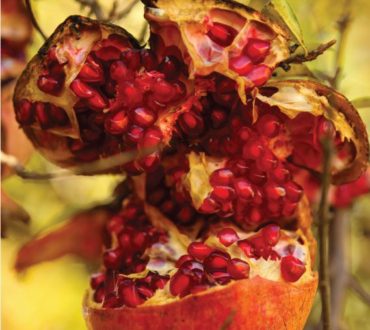
Bawar Mohammad has captured this quiet complexity in his work titled Pomegranate of Kurdistan. It is a study of the intricate patterns that nature hides in plain sight, inviting us to look closer at the harvest. Does the abundance of the earth ever truly reveal all its secrets to us?