Macaroni Pasta by Karan Zadoo
Captured in the intimate setting of a home kitchen in Delhi, this photograph celebrates the universal appeal of macaroni pasta. The photographer utilizes a 60mm lens to isolate the textures and warmth of the dish, creating a composition that feels both inviting and artfully arranged. By focusing on the simple, tactile pleasure of a bowl of pasta and a spoon, the image elevates a common culinary staple into a compelling visual narrative. Its award-worthy quality lies in the clean, deliberate lighting and the ability to transform a mundane domestic scene into a moment of genuine, appetizing beauty.
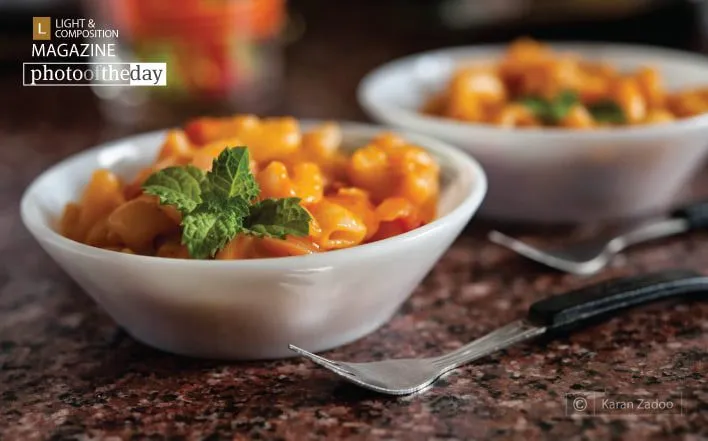
Exposure 1/30sec @ f/5 | ISO 250 | Focal Length 60mm
Karan Zadoo
Born in Srinagar and raised in Delhi, Karan Zadoo transitioned from a career in advertising to the world of professional photography after discovering a profound passion for documenting the beauty of nature and travel. He refined his technical expertise through years of dedicated practice, mastering the interplay of light and composition to capture the diverse stories found across India. Today, Zadoo is recognized for his evocative work in landscape, food, and portrait photography, consistently striving to evolve his craft while documenting the vibrant, untold narratives of the people and places he encounters.
Resonance Score Breakdown
Transparency Note: The resonance score (13.0/20) is calculated based on social engagement metrics collected before the award announcement.
Expert Photography Reviews · 8
The Salt of Home
The smell of boiling water always brings me back to a kitchen that no longer exists. It is a sharp, clean scent that clings to the curtains and settles into the pores of your skin.
Read the reflection →The Architecture of Sustenance
There is a quiet, rhythmic history to the act of boiling water. It is a domestic ritual that predates our modern obsession with speed, a slow alchemy that turns something brittle and dry into something yielding and soft.
Read the reflection →Reviews & Comments
Share your thoughts about this award-winning photograph. Your reviews contribute to the community engagement score.
The ochre of this macaroni, a shade reminiscent of the sun-drenched plaster in a Morandi still life, vibrates against the cool, porcelain white of the bowl with such startling, tactile intimacy that I’m suddenly ravenous for the domestic quietude it promises. It’s a symphony of warm, buttery tones that don’t merely sit upon the plate; they hum with a golden, kitchen-light radiance that makes the mundane feel utterly, achingly sacred. I’ve rarely seen such honest warmth.
Before the eye identifies the macaroni, something in the chest softens. It’s the sudden, visceral recognition of home. The light hitting that spoon triggers a phantom warmth, a sensory memory of steam rising in a quiet kitchen. I’ve returned to this frame three times today, and each time, my pulse slows. It doesn’t just document a meal; it anchors me in a stillness I didn’t know I was missing. It’s a quiet, edible ache.
1/30sec at f/5, 60mm on a D700. It’s a tight, deliberate choice. The focal length isolates the texture, but 1/30sec is risky hand-held work. I’ve seen enough motion blur to know when a photographer’s gotten lucky. Here, the sharpness holds. The depth of field is sufficient to define the pasta without losing the spoon in the bokeh. It’s technically sound, though I’d have preferred a tripod. It’s a clean execution of a simple, honest frame.
There’s a quiet holiness in this kitchen. Karan didn’t just photograph a meal; he waited for the light to soften, catching that gentle, directional glow that turns simple pasta into something sacred. It’s the stillness I recognize, the way he’s listened to the shadows pooling in the bowl. I’ve spent hours chasing such light in the desert, but he found it right there on his table. It’s a humble, beautiful act of pure attention.
At f/5, the 60mm focal plane is razor-thin, isolating the pasta’s porous surface with clinical precision. The diffraction of light across those ridges is, in the strictest physical sense, extraordinary. It’s rare to see such controlled bokeh; the background blur doesn’t distract, it cradles. I’ve spent years studying optics, yet this simple bowl makes me genuinely hungry. It’s a beautiful marriage of glass and grain, capturing a tactile warmth that my own eyes usually miss.
Light here doesn’t merely illuminate; it interrogates the starch. Karan Zadoo’s bowl of macaroni sits in a domestic silence that feels almost heavy, like a Caravaggio stripped of its religious pretense. I’m struck by how the shadows cling to the curves of the pasta, refusing to let the bowl become merely appetizing. It’s a cold, tactile resistance. We aren’t just looking at lunch; we’re staring into the quiet, hollow architecture of a Delhi kitchen. It’s unsettlingly profound.
Most food photography is ephemeral, destined for a quick scroll and immediate forgetting. Of the thousands I’ve reviewed, this one lingers. It’s the deliberate, soft fall of light across the pasta’s ridges that anchors it. I’d argue it’s the spoon’s placement—slightly askew—that keeps it from feeling like a sterile catalog shot. It’s honest. Looking at it, I can almost smell the steam. That’s why it’ll still matter in thirty years. It’s simply human.
A bowl. A spoon. The steam doesn’t rise, yet I feel the warmth. It’s quiet here. The pasta sits in the light, resting. I’ve spent years looking for this stillness in a Delhi kitchen. It’s rare to find such restraint in a meal. Nothing here is accidental. The empty corner is not empty. It’s a pause. I want to reach out and touch the porcelain. It’s enough. It’s finally enough.