A Top View of a Candle by Shahnaz Parvin
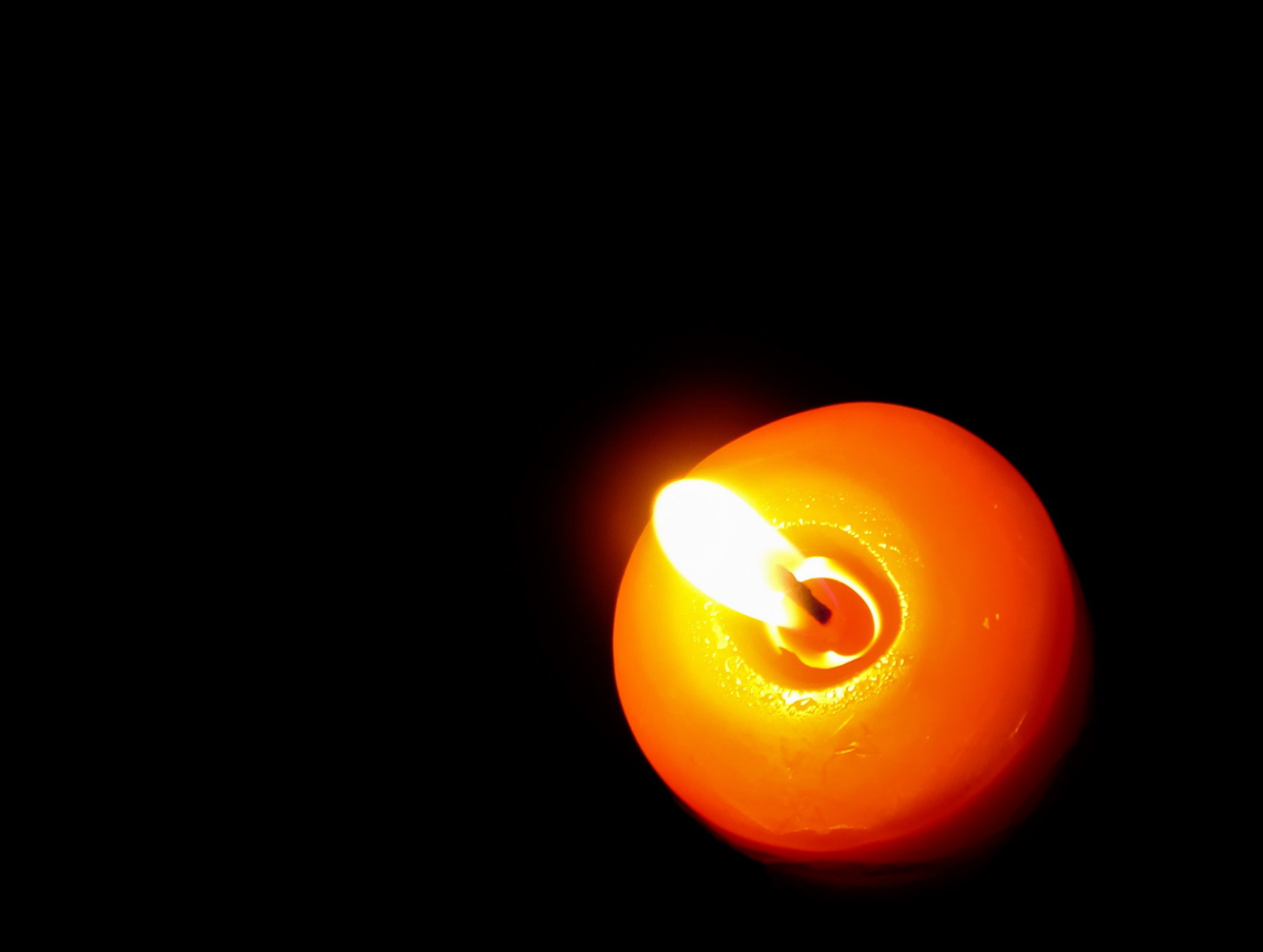
Captured from a striking top-down perspective, this photograph of a candle serves as a poignant symbol of hope amidst encroaching darkness. The photographer utilized a precise aperture of f/4.0 and a focal length of 11.5 mm to isolate the flickering flame, transforming a simple light source into a powerful beacon. By focusing on the interplay between the brilliant glow and the surrounding shadows, the image evokes a sense of quiet resilience. This minimalist composition is award-worthy for its ability to distill complex emotions into a singular, evocative visual statement that resonates with clarity and artistic intent.
Shahnaz Parvin
Shahnaz Parvin was a celebrated award-winning photojournalist based in Bangladesh, recognized globally for her profound contributions to documentary photography. Throughout her career, she consistently ranked among the world’s top 100 photographers, capturing the essence of South Asian culture, conflict, and daily life with unmatched sensitivity. As a dedicated contributor to Light & Composition, she used her lens to represent the spirit of her homeland until her untimely passing in 2016. Her legacy remains defined by her passion for visual storytelling and her commitment to documenting the human experience.
Resonance Score Breakdown
Transparency Note: The resonance score (12.7/20) is calculated based on social engagement metrics collected before the award announcement.
Expert Photography Reviews · 6
The Geometry of a Flame
In the quiet hours of the morning, before the kettle whistles or the world begins its insistent hum, I often find myself watching the way a single point of light anchors a room.
Read the reflection →The Waxen Pulse
The smell of burnt wick is a sharp, metallic ghost that clings to the back of the throat long after the fire has been snuffed. It is the scent of a secret kept in the dark.
Read the reflection →Reviews & Comments
Share your thoughts about this award-winning photograph. Your reviews contribute to the community engagement score.
Optically and technically, ‘A Top View of a Candle’ delivers exceptional execution. The depth of field is measured to isolate the vital textural details while maintaining context in the background. Exposure values are tightly controlled, retaining subtle highlight gradations without crushing the shadow details. The shutter speed captures the organic cadence of the environment cleanly, proving that intentional camera craft is the bedrock of powerful imagery.
The structural balance in ‘A Top View of a Candle’ demonstrates a rigorous spatial discipline. Shahnaz Parvin anchors the visual weight with precision, establishing a clear hierarchy that guides the eye across the frame without hesitation. The negative space functions not as an empty void, but as an intentional counterbalance to the central subject. There is a geometric integrity here that holds the entire scene together with commendable authority.
It’s a fragile geometry, this burning wick against the void. Parvin doesn’t just capture a candle; she forces us to confront the ontological weight of the flame. I’ve stared at these shadows until my eyes ached, feeling the cold, encroaching dark press against the light’s thin perimeter. It’s a lonely, desperate struggle. Heidegger would argue that we are only truly present when we face our own extinction. Here, in this flickering circle, I finally feel that truth.
A candle from above. It’s a tidy exercise in geometry, though one wonders if the photographer simply set it on a table and clicked. There’s no grit here, no sense of a long, shivering vigil in the dark. It’s technically competent, yet it lacks the exhaustion I look for. I’ve spent nights waiting for a single shift in the clouds; this feels like a Tuesday afternoon project. It’s pretty, but it didn’t cost enough.
Most still life work I’ve seen this year relies on clutter to hide a lack of intent. Parvin avoids that trap. By centering the flame, she forces us to confront the void surrounding it. It’s a stark, geometric study of survival. I’ll admit, looking at this makes me feel a strange, quiet ache for the simplicity of light. It’s not just a candle; it’s a deliberate choice to hold ground against the encroaching dark. That’s why it endures.
The flame’s core, a searing, molten cadmium yellow, bleeds into the surrounding velvet abyss with such startling, Vermeer-like intimacy that one’s breath catches in the throat. It’s a chromatic ache, really, where the waxen warmth doesn’t merely illuminate but actively carves a sanctuary from the encroaching, bruised umber shadows. I’ve rarely felt such a visceral, quiet surrender to the light; it’s a fragile, flickering pulse of gold that makes the darkness feel almost tender.