Expedition Overview
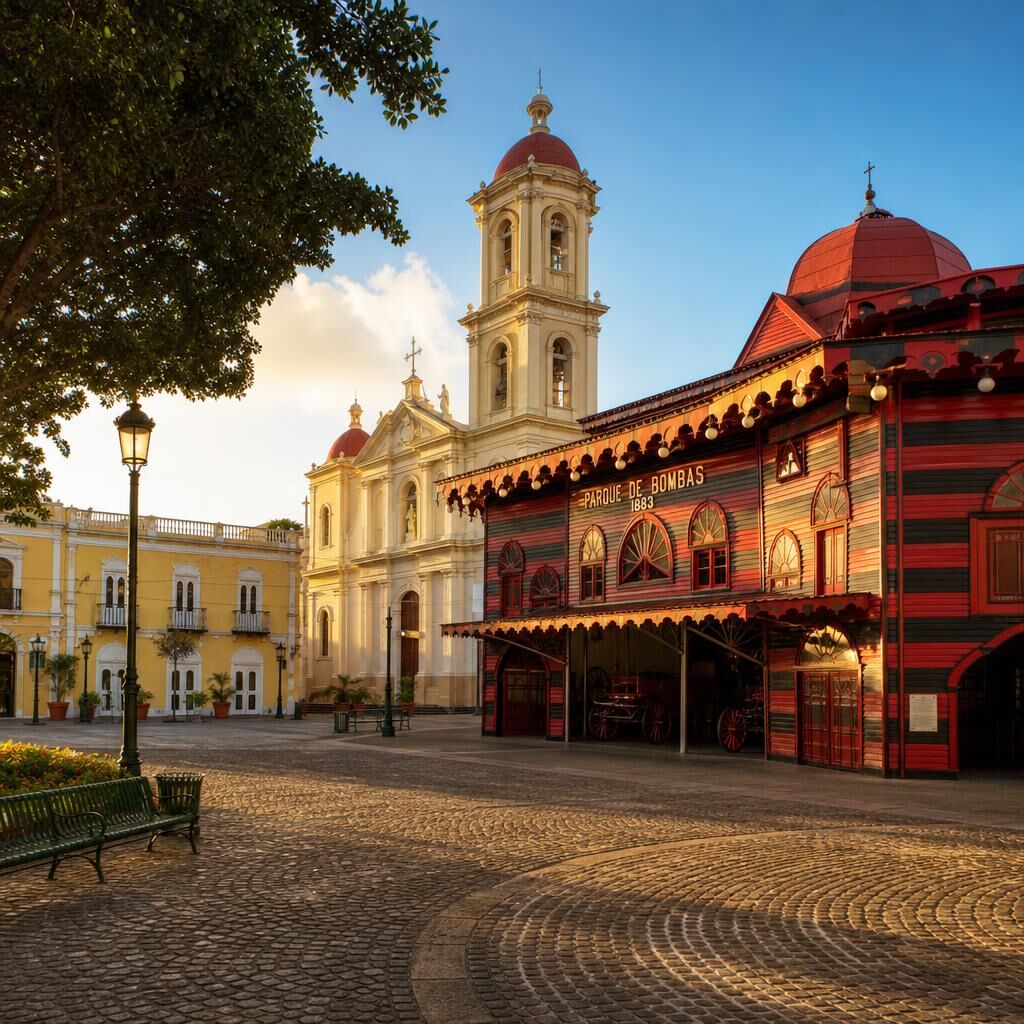
Fajardo sits at Puerto Ricos northeastern corner where the island is closest to the Virgin Islands on clear mornings the outline of Culebra and Vieques are visible 18 miles offshore. Debug-test edit.
Expedition Itinerary
Day 1: Sunrise Coastline — East-Facing Light
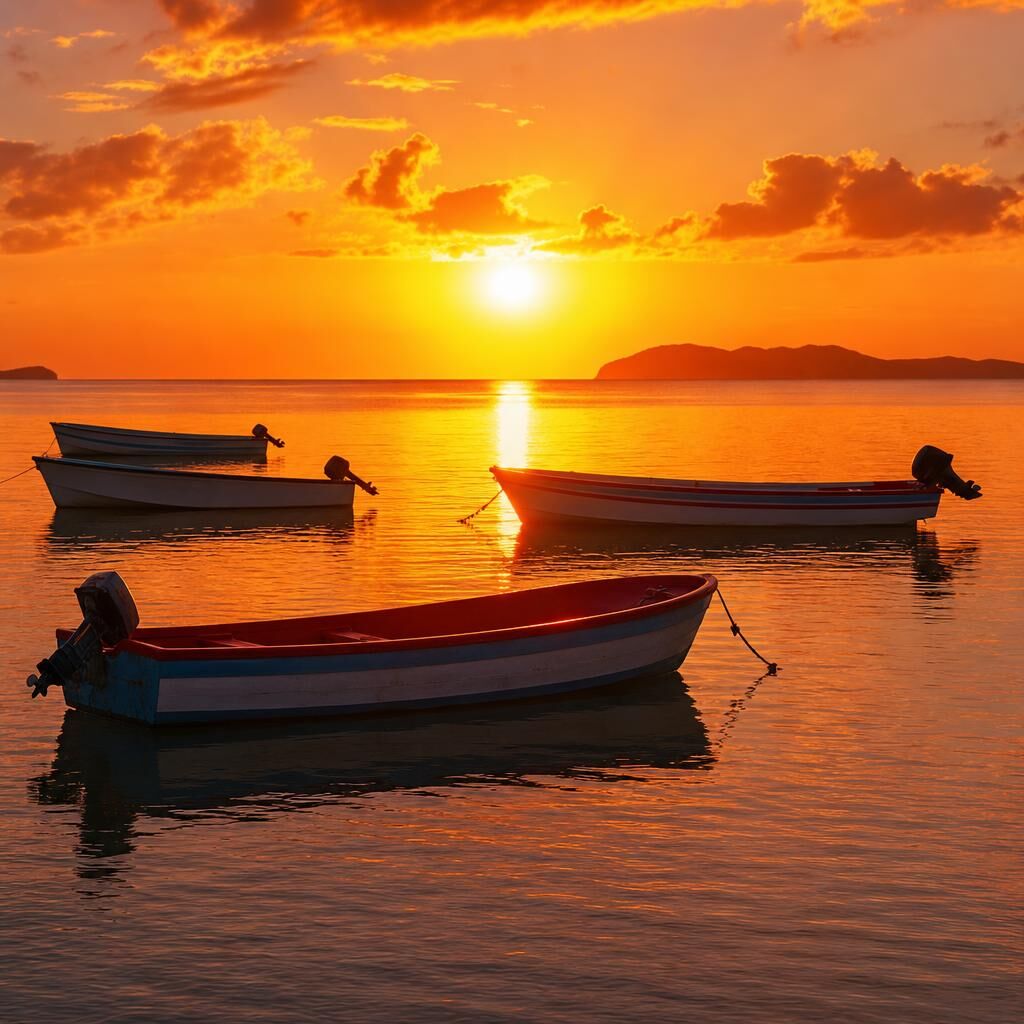
The session begins 45 minutes before sunrise at Las Croabas fishing village, where small wooden boats are the first foreground elements in a direct east-facing composition. Sunrise at Fajardo is clean and fast — the sun clears the horizon in under 3 minutes and the golden window lasts approximately 12 minutes before the light turns white. The morning continues along the coastal trail through El Faro Park to the lighthouse, where the view expands to take in both the Atlantic coast and the Vieques Sound simultaneously.
The Goal of the Day: Make a photograph where the fishing boats and the horizon are in sharp focus at the same moment — calculate the hyperfocal distance before the sun rises, so composition is the only decision left when the light arrives.
Day 2: Bioluminescence Night — Darkness as Composition
The bioluminescent session at Laguna Grande begins at 10pm during the new moon phase — expedition dates are chosen specifically for maximum darkness. The lagoon is accessed by kayak in complete darkness to protect the organisms from light exposure. The photographic work uses a wide-angle lens at maximum aperture, 8–15 second exposures at ISO 3200–6400, with a red torch as the only permitted light source. After the lagoon session, the group continues to a dark-sky site for astrophotography.
The Goal of the Day: Capture a kayak paddle stroke as a streak of bioluminescence — the paddle movement and the exposure window must overlap exactly, which means reading the water before releasing the shutter.
Book Your Expedition
Note: Final price may vary based on specific expedition details and customizations.
Expedition Leaders
José J. Rivera-Negrón is a Puerto Rican photographer whose work centers on resilience, human connection, and the documentary truth of places rarely photographed well. Born in Puerto Rico, his path to photography came through adversity — years that shaped fundamentally how he looks at light, at faces, and at the stories that ordinary streets contain. He shoots with the attention of someone who understands what it means to see a place clearly for the first time. A Light & Composition award-winning photographer with over 49 award recognitions including 4 Photo of the Month wins, he leads expeditions across Puerto Rico with the intimate local knowledge of someone who grew up on the island — knowing which beach is deserted at 5am, which street corner catches the right light, and which people will let you photograph them honestly.
What to Bring
Wide-angle zoom (16–35mm) for sunrise compositions and bioluminescence. Fast wide-angle prime (f/1.4 or f/1.8, 24mm or 35mm) for astrophotography — a slower lens will not gather enough light. Tripod — absolutely non-negotiable for the night sessions. Red headlamp only (white light destroys bioluminescence in the lagoon). Remote shutter release. Fully charged batteries and a power bank — the night sessions run 3+ hours. Waterproof dry bag for the kayak portion. Insect repellent.
Where Will Your Lens Take You Next?
Every horizon holds a new masterclass. Explore 68 worldwide fieldwork routes, interactive satellite maps, confirmed small-group departure dates, and regional optical dossiers.
Expeditions Overview & Master Map
Explore 68 worldwide expedition stops, interactive satellite coordinates, faculty leaders, and complete academic fieldwork curriculum.
Destinations & Lighting Specs
Examine comprehensive regional field dossiers detailing optical lighting conditions, microclimates, cultural protocols, and camera gear.
2026–2027 Departure Matrix
Search confirmed departure windows by season, country, and faculty leader. Small groups guaranteed with 4–8 photographers maximum.