The Ethical Eye: Documentary, Portrait, and the Boundaries of Practice
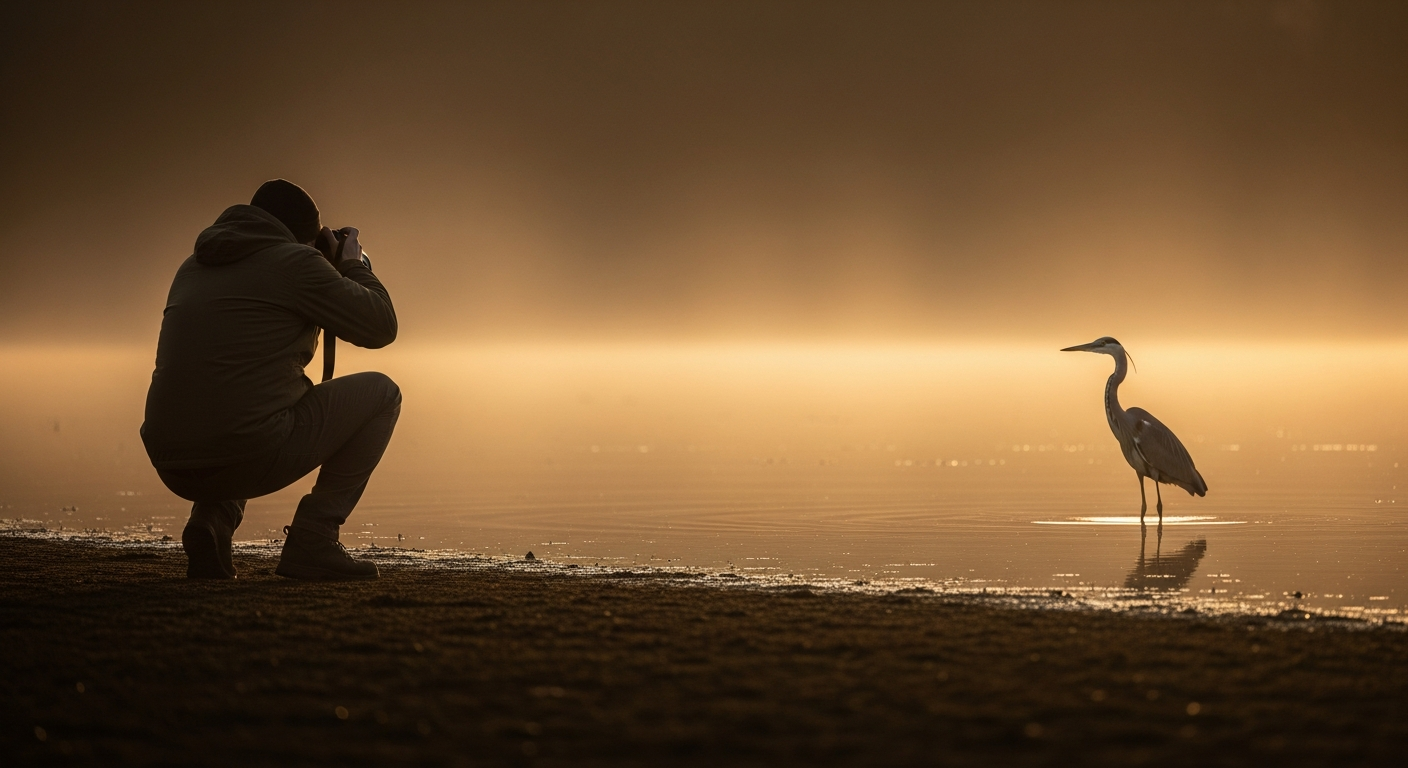
Each working genre asks the photographer a different hard question — truth in documentary, power in the studio, harm in the wild — and the ethical eye is the discipline of answering all of them the same way: subject first, photograph second.
The working photographer's ethics at Master's standard, genre by genre: the absolute documentary rule and dignity at the most vulnerable moment; informed consent and the power of the set in portrait and fashion; the commercial promise in product and food; leave-no-trace and category honesty in landscape; wildlife's one law of subject welfare; and the published professional code that binds it all.
Course Overview
The Bachelor curriculum builds the photographer's conscience; this Master's course takes it to work. Because the ethics of photography changes with the segment being practised, each working genre asks the photographer a different hard question, and this course walks them in turn — at the standard of a working professional whose decisions now carry clients, publications, and subjects with them. In documentary, the question is truth: why the rule behind that door is absolute — no staging, no paying of subjects, no caption that says more than the photographer knows — and how dignity is kept when the subject is at the most vulnerable hour of his life. In the studio, the question is power: what informed consent means on a set where one person holds the camera, the lights, and the pay cheque, and what may honestly be retouched in a face or promised about a product.
In the wild, the question is harm: the landscape photographer's leave-no-trace honesty, the geotag that loves a fragile place to death, and wildlife photography's one law — the welfare of the subject comes before the photograph, before the client, before the once-in-a-lifetime frame. No baiting with live animals, no pressing a nesting bird, no flash on the nocturnal hunter, no captive animal presented as wild.
The course closes by drawing the threads into the professional's discipline: truth of label across every genre — captions, categories, composites, and AI — and the writing of a published, professional code of practice: the standard you announce, teach, and can be held to, which is what separates a professional's ethics from a private hope. It is the ethics course of the Master's tier because it is the one the working photographer is examined on every day of a career.
Faculty & Resources
Recommended Books & Publications
All publications below are included with your course purchase at no additional cost.
This Course Costs an Affordable Fee of
ONLY $250.00
ONE-TIME
OR CHOOSE YOUR PAYMENT PLAN

