Little Bee by Leanne Lindsay
Captured at the Auburn Botanic Gardens, this macro study highlights the delicate beauty of a bee resting on a vibrant blossom. The photographer was drawn to the subject's intricate textures, particularly its plush body and pollen-laden legs. A moment of quiet discovery revealed the bee possessed only a single antenna, a unique anomaly that transformed the image from a simple nature study into a poignant narrative of resilience. The photograph is award-worthy for its sharp focus and the photographer's ability to find profound, curious stories within the small, often overlooked details of the natural world.
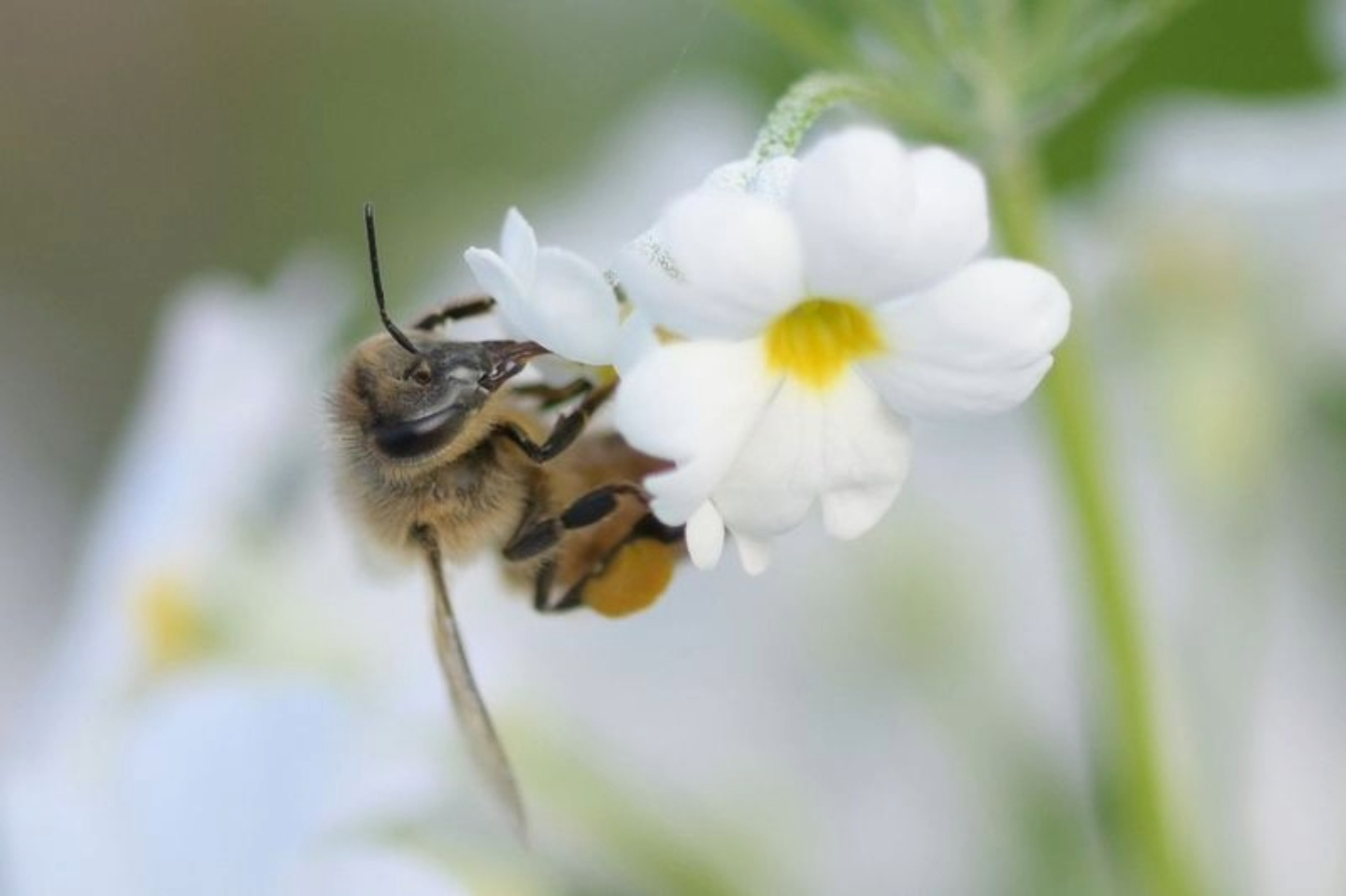
Exposure 1/640sec @ f/3.5 | ISO 200 | Focal Length 105mm
Leanne Lindsay
Born in Adelaide in 1962, Leanne Lindsay relocated to Sydney during her youth. Though her early interest in photography was interrupted by the loss of her equipment, she rediscovered her creative passion in her late 50s. Now based in Sydney, she specializes in family and newborn portraiture while maintaining a dedicated focus on architectural and landscape photography, capturing the world with a renewed sense of wonder and technical precision.
Resonance Score Breakdown
Transparency Note: The resonance score (7.7/20) is calculated based on social engagement metrics collected before the award announcement.
Expert Photography Reviews · 8
The Weight of the Small
I remember sitting in a garden in Kyoto, watching a beetle navigate the jagged terrain of a mossy stone. It moved with a singular, stubborn purpose, oblivious to the fact that I was watching it, or that a sudden gust of wind could have ended its journey in an instant.
Read the reflection →The Weight of the Small
We walk through the world assuming wholeness is the default. We expect the tree to have all its leaves, the stone to be unbroken, the creature to be symmetrical. We measure our own lives by this same yardstick of completion.
Read the reflection →Reviews & Comments
Share your thoughts about this award-winning photograph. Your reviews contribute to the community engagement score.

You waited for this, didn’t you? Most people would’ve walked right past that bee, but you stopped. It’s that missing antenna that gets me. It’s a small, broken thing, yet it makes the creature feel so much more real. I’ve spent my life looking for the cracks in the armor, and you found one in a garden. There’s something honest happening here. You didn’t just photograph a bug; you found a survivor. That’s good work.
The soft, blurred petals of the Auburn Botanic Gardens create a painterly, impressionistic stage, framing the bee’s world in a delicate, verdant haze. It’s the environment that gives this creature its dignity. When I noticed that missing antenna, my heart truly sank—it’s a quiet, aching detail that turns a simple macro study into a portrait of survival. The environment doesn’t just hold the subject; it explains the struggle of a life lived in the wild.
A single antenna reaching into the void isn’t just a biological anomaly; it’s a rupture in the order of things. Lindsay forces us to confront the silence where the missing limb should be. I’ve stared at that empty space until my own eyes ached. It’s not a nature study, but a meditation on what remains when the world takes its toll. Darkness here doesn’t hide the bee; it defines the weight of its solitary, persistent existence.
The frame holds its breath. A macro study, yet it feels like a wide shot of a solitary survivor. That missing antenna—it’s the narrative hook that stops the film from being just another nature reel. I’m genuinely moved by the grit in those pollen-laden legs. Lindsay didn’t just capture a bee; she caught a protagonist mid-scene. The focus is razor-sharp, the depth of field perfect. It’s the frame the editor keeps because the story is already finished.
Macro work is usually a game of patience, not luck. One suspects Leanne spent hours in the dirt at Auburn, waiting for the wind to drop and the subject to settle. The missing antenna is a sharp, quiet detail that catches the throat; it’s a reminder that survival is a messy business. She didn’t just stumble upon this. She sat with it until the bee stopped being a specimen and started being a story. Well earned.
Before the eye identifies the bee, something in the chest softens. It’s the stillness of that single, searching antenna that catches me. I feel a sudden, sharp ache for the creature’s lopsided world. When I return to this frame, the pollen-dusted legs don’t just signify nature; they represent a quiet, persistent endurance. It’s a small, fragile narrative that follows me into sleep, reminding me how much we’re defined by what we’ve lost along the way.
Most macro shots of bees are technically proficient but utterly forgettable. What separates this from the thousands I’ve reviewed is that missing antenna. It’s a small, jagged imperfection that transforms a standard nature study into a story of survival. I’ll admit, seeing that singular, fragile limb actually made me wince. It’s the kind of quiet, uncomfortable detail that ensures this photograph will still hold weight in thirty years. It’s not just a bee; it’s a survivor.
The blossom holds the bee. It’s a heavy, velvet weight. I’m struck by the missing antenna. It doesn’t feel like a loss. It’s a shift in balance. The frame breathes around the insect. There’s so much air here. Nothing is accidental. The empty corner isn’t empty. It’s a pause. I find myself holding my breath, watching that single, searching feeler. It’s enough. It’s everything. Silence, held in a petal.