A Harmonious Blend of Greenery by Saniar Rahman Rahul
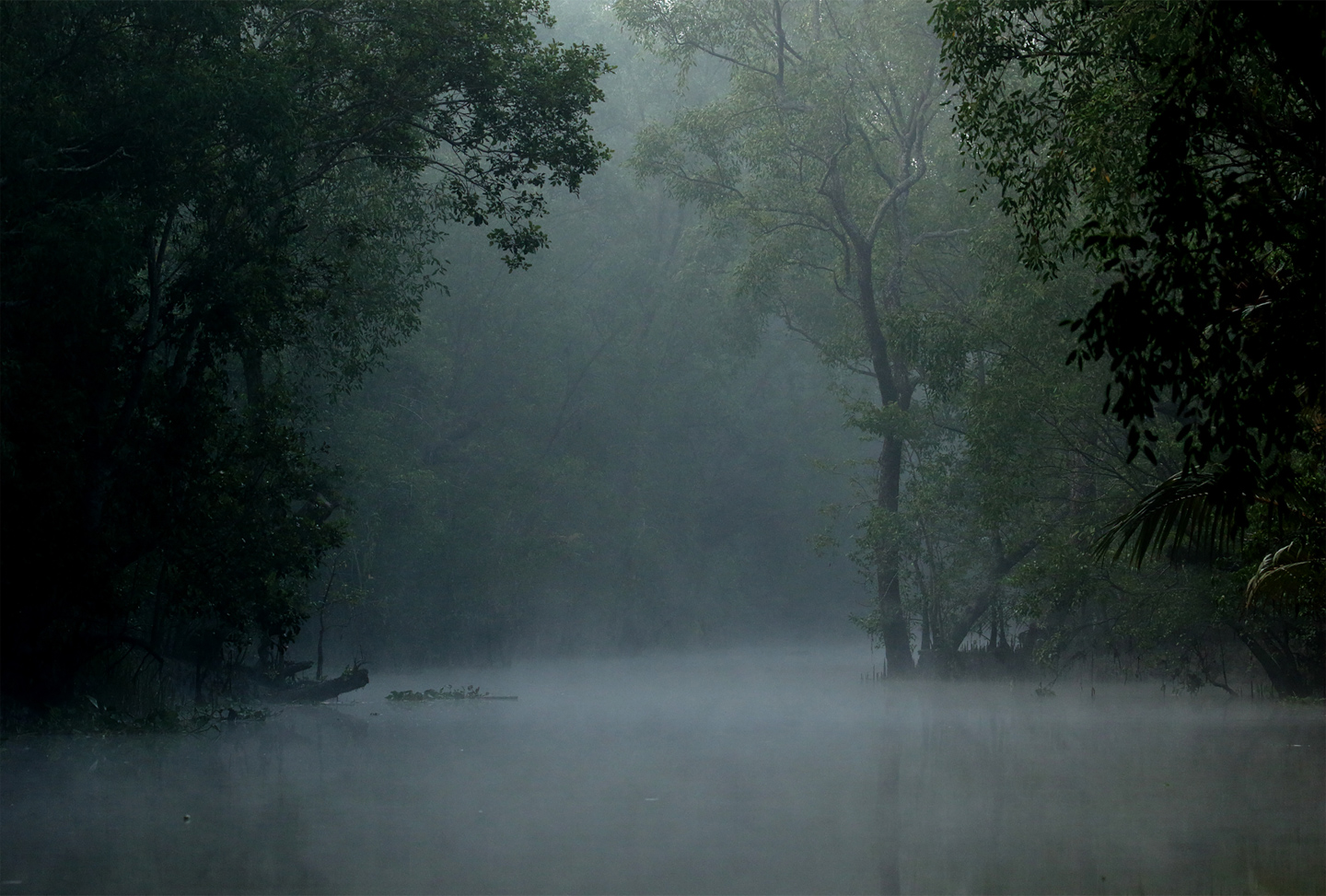
Captured within the serene expanse of the Sundarbans National Park, this photograph highlights a Common Sandpiper navigating the mud and water of the tidal channels. The photographer utilized a 600mm lens to isolate the bird against the intricate, verdant backdrop of the ancient mangrove forest, emphasizing the delicate balance between the small creature and its vast, wild environment. This image is award-worthy for its masterful use of composition and telephoto compression, which transforms a fleeting, quiet encounter into a timeless study of nature's elegance and the rhythmic, tranquil beauty of one of the world's most unique ecosystems.
Saniar Rahman Rahul
Based in Dhaka, Bangladesh, Saniar Rahman Rahul is a distinguished photographer and Art Director at Grey Worldwide. His creative journey began in childhood, inspired by his father's photography, before he transitioned into a successful career in graphic design and advertising in the mid-1990s. Rahul rediscovered his passion for photography in 1997, blending his professional design expertise with a keen eye for natural beauty. As a celebrated talent, he holds the distinction of being the first winner of the Light & Composition Photo of the Month Award in 2010.
Resonance Score Breakdown
Transparency Note: The resonance score (7.5/20) is calculated based on social engagement metrics collected before the award announcement.
Expert Photography Reviews · 7
The Echo of the Tide
I keep a small, smooth stone on my desk that I found years ago on a riverbank, worn down by the constant, patient friction of water against earth. It is cool to the touch, a heavy reminder of how much of our lives is spent being shaped by forces we cannot see.
Read the reflection →The Weight of the Unseen
If a creature moves through a forest that has stood for centuries, does it leave a mark, or is it merely a guest of the shadows? We often imagine that our presence defines the spaces we inhabit, that our footsteps carve history into the earth.
Read the reflection →Reviews & Comments
Share your thoughts about this award-winning photograph. Your reviews contribute to the community engagement score.
The telephoto compression here flattens the Sundarbans into a painterly tapestry, echoing the botanical precision of early cyanotypes. It’s a delicate dance between the sandpiper’s stillness and the chaotic, verdant geometry of the mangroves. While I’ve seen countless avian studies, the way the 600mm lens renders the tidal mud as a soft, abstract wash genuinely thrills me. It’s a quiet, sophisticated departure from the typical wildlife documentary style, finding a rare, rhythmic elegance in the muck.
The mangrove’s tangled roots create a chaotic, verdant tapestry that feels almost like a living cathedral. It’s here that the Common Sandpiper finds its rhythm. I’m struck by how the compression flattens this wild, tidal world into a stage, forcing the bird to share its narrative with the mud and ancient flora. It doesn’t just exist in the Sundarbans; it’s woven into the very texture of the forest. I find the quiet intimacy of this connection truly breathtaking.
The mud holds the bird. The mangroves hold the light. It’s a quiet tension. I’ve spent minutes watching the sandpiper, yet it doesn’t move. The compression pulls the forest forward, turning green into a wall of silence. Nothing here is accidental. The empty corner is not empty. It’s the breath between the tide and the shore. I feel a sudden, sharp stillness in my own chest. It’s enough. It’s everything.
The Sundarbans don’t care if you’re ready. With that 600mm, Rahul caught the Sandpiper in a dance with the mangroves. It’s sharp, sure, but is it the decisive moment? I’m looking for that frantic energy Winogrand chased, that split-second where the bird’s movement defines the chaos of the tide. One tenth of a second later and the frame collapses. It’s beautiful, but I’m still waiting for the pulse of the street to hit the mud.
Most wildlife shots are just trophies, but this one lingers. The 600mm compression flattens the mangroves into a painterly, abstract green curtain that forces the sandpiper to carry the entire frame. It’s a quiet, fragile tension I haven’t seen in this category for years. I’ll be honest, the ISO noise almost cost it the win, but the way the bird’s posture echoes the tangled roots makes me want to protect this place. It’s a keeper.
Before the eye identifies the sandpiper, something in the chest settles. The compression of that 600mm lens pulls the mangrove’s chaotic green into a soft, rhythmic hum that slows my pulse. It’s a quiet, fragile isolation. When I return to this, I don’t see a bird; I feel the damp, heavy stillness of the Sundarbans. It’s the kind of image that follows you into sleep, a small, steady heartbeat against the vast, ancient wild.
The 600mm compression here flattens the Sundarbans into a painterly, verdant smear. It’s a relief to see the mangroves dissolve into abstraction rather than clinical sharpness. I’m genuinely moved by how the sandpiper becomes a mere punctuation mark in a chaotic, green field. Why resolve the foliage when the blur tells a truer story of the ecosystem’s density? It’s closer to an impressionist study than conventional wildlife documentation. I’d have pushed the motion even further.