Zemax by Jabbar Jamil
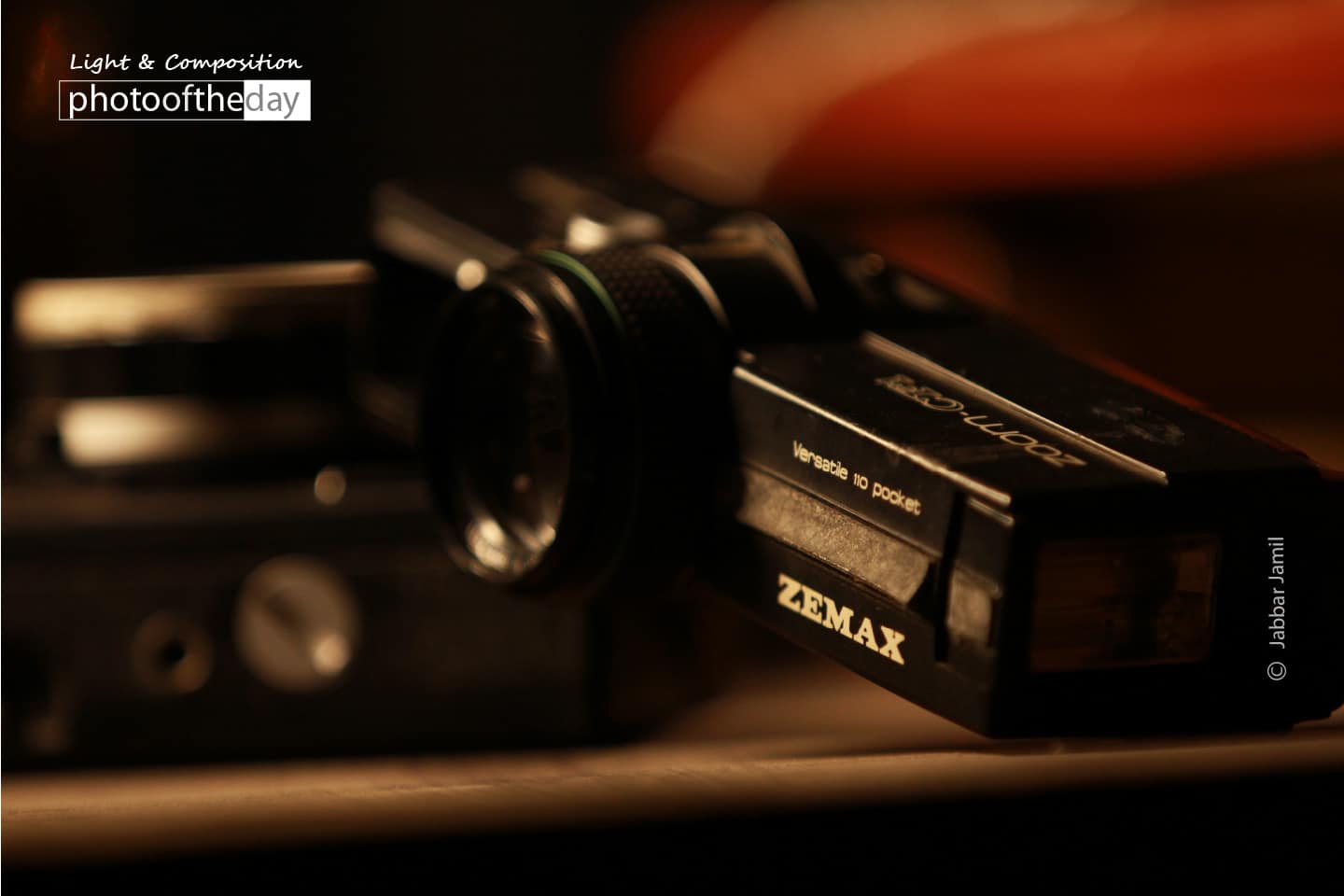
The photograph captures the Zemax, a vintage 110 camera gifted to the photographer by a close friend whose grandfather was an avid collector. By utilizing a 70-200mm lens, the photographer isolates the camera against a soft, blurred background, emphasizing the intricate details of the classic device. This image serves as a tribute to the history of analog photography and the tactile beauty of vintage equipment. The composition is award-worthy for its clean, deliberate focus and the way it elevates a simple still life into a narrative about heritage, craftsmanship, and the enduring allure of film cameras.
Jabbar Jamil
Based in Sialkot, Pakistan, Jabbar Jamil is a dedicated street photographer who views his craft as a vital bridge to the world around him. He utilizes photography as both a creative outlet and a therapeutic practice, finding that the process of documenting his surroundings helps him step outside his comfort zone. His work is characterized by an honest approach to the environment, capturing the raw reality of the scenes he encounters while building meaningful connections through the lens.
Resonance Score Breakdown
Transparency Note: The resonance score (11.7/20) is calculated based on social engagement metrics collected before the award announcement.
Expert Photography Reviews · 6
Echoes of a Quieter Time
I spent this morning clearing out the back of my closet, pushing aside boxes I haven't touched in years. I found an old shoebox filled with physical prints, the kind with white borders that feel a little bit waxy to the touch. They aren't perfect.
Read the reflection →The Weight of Memory
Seneca once remarked that we are like travelers who, having forgotten the purpose of our journey, become obsessed with the luggage we carry. We polish the leather, we check the latches, and we marvel at the craftsmanship of the vessel, all while the road ahead remains untraveled.
Read the reflection →Reviews & Comments
Share your thoughts about this award-winning photograph. Your reviews contribute to the community engagement score.
There’s a quiet dignity in how this Zemax sits, held in the light like a relic. It’s a beautiful piece of history, but I find myself missing the pulse of a human subject. Where’s the hand that once loaded the film? I’ve spent my life chasing the stories behind the gear, and while this is technically sharp, it feels lonely. I’d trade all that bokeh for one pair of eyes that truly knew the photographer.
The Zemax sits in a quiet, amber glow, holding the weight of a century. I’ve spent enough dawns waiting for the light to settle to recognize that stillness. Jabbar didn’t just photograph a machine; he listened to the silence of its gears. It’s a humble relic, yet it feels like a prayer. Looking at those worn edges, I’m suddenly overwhelmed by the ghost of the hands that held it before. It’s a beautiful, aching piece of history.
The Zemax occupies the frame with a clinical, almost aggressive stillness. Its metallic edges carve through the shallow depth of field, forcing the eye to navigate the precise geometry of the lens housing. It’s a rigid, calculated study in spatial tension. I’ve grown weary of sentimental tributes, yet the structural integrity here is undeniable. The background blur doesn’t distract; it merely serves as a void, ensuring the object’s weight remains the absolute fulcrum of the composition.
A 70-200mm lens on a still life is a curious choice, suggesting one didn’t fancy getting too close to the subject. It’s clean, certainly, but it feels a bit sterile. I’ve spent enough hours shivering in the damp to know when a photographer has truly wrestled with their environment. This lacks the grit of a hard-won frame. It’s technically proficient, yet it hasn’t cost the photographer a single drop of sweat. It’s just a bit too comfortable.
The 70-200mm’s focal plane slices through the Zemax with surgical precision, rendering the mechanical texture of that vintage shutter release with startling clarity. I’m genuinely moved by how the bokeh, a function of the wide aperture, isolates the camera’s patina from the background noise. It’s a rare moment where the diffraction limit doesn’t soften the fine metal edges. You’ve captured the physics of light hitting history, and honestly, it’s a beautiful, sharp tribute to analog optics.
The Zemax sits isolated, a relic of Sialkot’s history trapped in a shallow depth of field. Why do we fetishize the machine over the hands that once held it? It’s technically sharp, sure, but the blur feels like a deliberate erasure of context. I find myself craving the grit of the workshop, not just this polished, sterile tribute. Does this framing honor heritage, or does it simply turn a tool into a luxury commodity?