At the Water’s Edge by Ronnie Glover
Captured along the rugged coastline of the Kenai Peninsula, 'At the Water's Edge' serves as a testament to the raw, untamed beauty of Alaska. The photographer sought to document the intersection of land and sea, utilizing the peninsula’s dramatic topography to frame a moment of quiet reflection amidst the vast wilderness. By focusing on the interplay of light and texture at the shoreline, the image highlights the serene yet powerful atmosphere of 'Alaska's Playground.' This work is award-worthy for its evocative composition and the photographer's ability to translate the profound stillness of the Alaskan landscape into a compelling visual narrative.
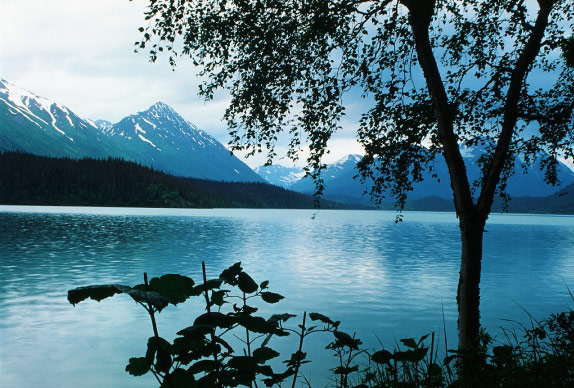
Ronnie Glover
Based in Gig Harbor, Washington, Ronnie Glover is a dedicated photographer whose artistic journey was refined through professional training at the Southeastern Center for the Arts. Having spent over a decade immersed in the Alaskan wilderness, he developed a deep-seated passion for nature and travel photography. His work is driven by a desire to share the beauty of diverse cultures and landscapes with a global audience, aiming to inspire viewers through the evocative power of his imagery.
Resonance Score Breakdown
Transparency Note: The resonance score (5.0/20) is calculated based on social engagement metrics collected before the award announcement.
Expert Photography Reviews · 3
The Salt on the Skin
The air near the tide always tastes of cold iron and crushed shells. It is a sharp, metallic tang that clings to the back of the throat, reminding the lungs of their own fragility.
Read the reflection →Where the Earth Unravels
In the study of geography, we are taught that a coastline is a line—a definitive, sharp boundary between the solid and the fluid. But if you stand long enough at the threshold where the tide meets the silt, you realize that the map is a lie. There is no line.
Read the reflection →Reviews & Comments
Share your thoughts about this award-winning photograph. Your reviews contribute to the community engagement score.
One doesn’t capture that particular grey-blue chill on the Kenai without shivering for hours in damp boots. It’s clear Glover didn’t just stumble upon this shoreline; he waited until the tide and light finally stopped bickering. I’ve spent enough mornings freezing in similar Alaskan mud to recognize the ache in these textures. It’s a quiet, honest piece of work. He clearly returned until the landscape decided to stop hiding its best face. Well earned.
Glover’s shoreline isn’t merely geography; it’s a confrontation with the void. The dark, jagged rocks don’t just sit there—they swallow the light, forcing the eye to reckon with what remains hidden. I’ve stared at these obsidian shadows until my own pulse slowed to match the tide. It’s an unsettling, heavy silence. When the light finally yields to that encroaching blackness, you realize the landscape isn’t inviting you in. It’s daring you to vanish.
Of the thousands of coastal shots I’ve reviewed, most drown in their own sentimentality. What separates this from the pack is the brutal, jagged texture of the foreground rock against the retreating tide. It’s not just a pretty view; it’s a geological confrontation. I felt a genuine chill looking at those slick, dark stones. It’ll endure because it doesn’t romanticize the wilderness—it respects the cold, indifferent reality of the Kenai coast. That’s why it wins.
Very peaceful picture. Beautiful.