Roberto by Mauro Squiz Daviddi
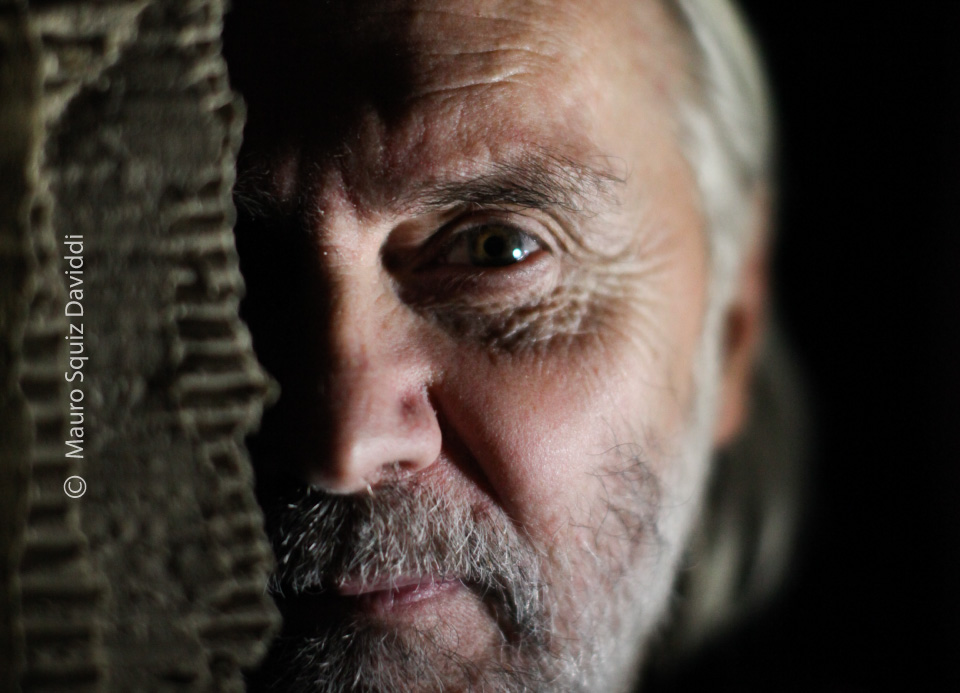
In this poignant portrait of Roberto Morgantini, the photographer captures the essence of selfless dedication. Set against the stark backdrop of a cardboard box, the image serves as a powerful visual metaphor for Morgantini’s work with the 'Popular Kitchens' association, where he provides essential nourishment to the homeless. By positioning his subject in this humble environment, the photographer highlights the profound solidarity and human connection Morgantini fosters within his community. The portrait is award-worthy for its ability to transform a simple, documentary-style composition into a deeply moving narrative of compassion, social responsibility, and the quiet dignity of those who serve the needy.
Mauro Squiz Daviddi
Born in Bologna in 1966, Mauro Squiz Daviddi began his photographic journey in 1976 using his father’s Vitoret Voigtländer camera. He further refined his craft by earning a Master of Art degree from the Art Institute of Bologna in 1986. Today, he resides in Ozzano dell’Emilia and has established a distinguished reputation, having exhibited his evocative portraiture and artistic works across numerous European countries.
Resonance Score Breakdown
Transparency Note: The resonance score (8.5/20) is calculated based on social engagement metrics collected before the award announcement.
Expert Photography Reviews · 3
The Weight of Worn Hands
The smell of old paper always brings me back to the basement of my childhood home, where the air was thick with the scent of damp cardboard and forgotten winters. It is a dry, dusty smell that clings to the back of the throat, tasting faintly of earth and time.
Read the reflection →The Weight of the Unseen
I have always been wary of portraits that lean too heavily on the iconography of suffering. There is a tendency, in our rush to celebrate the saintly, to turn a human being into a symbol, stripping away the messy, unscripted reality of a life in favor of a tidy moral lesson.
Read the reflection →Reviews & Comments
Share your thoughts about this award-winning photograph. Your reviews contribute to the community engagement score.
Cardboard isn’t merely a backdrop here; it’s a tomb for the ego. Daviddi forces Roberto into this claustrophobic, textured gloom, where light struggles to define a face worn by service. I’m struck by how the shadows don’t just frame him—they consume his edges, pulling him into the void of his own labor. It’s a brutal, honest geometry. When I look at those dark, recessed corners, I don’t see charity; I see the heavy, silent weight of existence.
The frame holds. It’s a tight, claustrophobic close-up that forces us into the cardboard periphery of Roberto’s world. I’ve seen a thousand portraits, but the way he stares back—unflinching, weary, grounded—it hits me right in the chest. The cut would’ve been a mistake; you need that grit, that texture of the box to understand the weight of his service. It’s a single, perfect take. He’s not posing; he’s just existing. It’s cinema.
Why insist on the clinical sharpness of those cardboard textures? It’s a missed opportunity. I’d have preferred a deliberate motion blur to mirror the frantic, kinetic energy of Morgantini’s kitchen work. Instead, it’s a bit too polite, too resolved. It feels like a missed chance to dissolve the subject into his environment. I’m left wanting a more visceral, painterly disintegration of form. Why choose clarity when the soul of the work is chaos?