Pizza is Forever by Catherine Ferraz
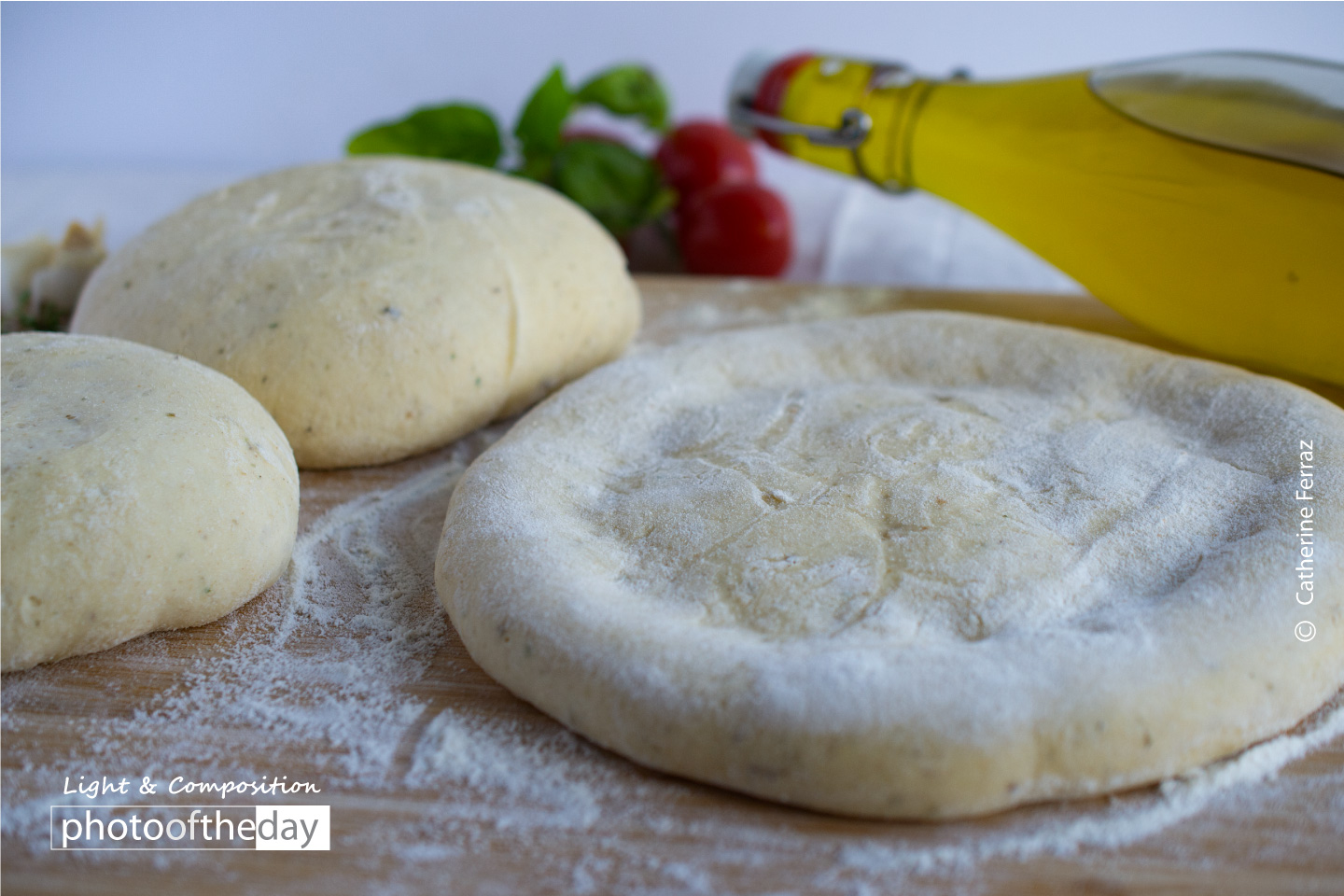
Captured in a moment of domestic warmth, this photograph elevates the simple act of preparing homemade pizza into a poignant narrative of connection. The photographer focuses on the cozy, sensory experience of sharing a meal, transforming a humble kitchen scene into a study of comfort and love. By prioritizing the emotional resonance of the dish over mere aesthetic perfection, the image succeeds in turning a familiar culinary ritual into a timeless memory. Its award-worthy quality lies in this ability to evoke a sense of home, inviting the viewer to appreciate the heritage and affection embedded within a shared, authentic meal.
Catherine Ferraz
Based in St. John’s, Antigua, Catherine Ferraz is a dedicated food photographer and copywriter whose work is deeply rooted in her upbringing across Trinidad and Antigua. Immersed in vibrant culinary cultures from a young age, she has developed a keen eye for the authentic beauty found in simple, honest cuisine. Catherine strives to move beyond the visual, aiming to capture the emotional history and heritage behind every dish she photographs. Her professional practice is defined by a desire to showcase the unique story of each creation, fostering a profound connection between the viewer and the food.
Resonance Score Breakdown
Transparency Note: The resonance score (11.3/20) is calculated based on social engagement metrics collected before the award announcement.
Expert Photography Reviews · 5
The Yeast of Memory
The smell of rising dough is the smell of a house waking up. It is a thick, yeasty warmth that clings to the back of the throat, tasting faintly of salt and the patient, slow work of hands.
Read the reflection →The Flour on the Table
I keep a small, wooden rolling pin in the back of my kitchen drawer, its surface smoothed by decades of friction and the ghost of flour. It belonged to a woman who believed that the weight of one’s hands could translate into the warmth of a home.
Read the reflection →Reviews & Comments
Share your thoughts about this award-winning photograph. Your reviews contribute to the community engagement score.
The flour-dusted counter and the warm, golden glow hitting the wooden peel create a tactile intimacy that anchors the scene. It’s not just about the pizza; it’s the quiet architecture of a lived-in kitchen that tells the real story. When I look at the way the light catches those hands, I’m suddenly back in my grandmother’s kitchen in Tuscany. The environment doesn’t just frame the subject; it breathes life into their shared, flour-covered affection.
Domesticity is a tired trope, yet Ferraz avoids the saccharine trap of the 1950s magazine aesthetic. The lighting here feels closer to the unvarnished honesty of Bill Brandt’s interiors than the staged perfection of modern food blogs. It’s refreshing. I’m genuinely moved by the flour-dusted hands; they echo the tactile labor found in early social documentary. It’s not revolutionary, but it’s a quiet, authentic reclamation of the kitchen as a site of genuine human connection.
Flour dusts the counter. A quiet ritual. Most would crowd the frame with the pizza itself, but Ferraz holds back. She leaves the edges soft. The blurred kitchen light creates a distance I find deeply comforting. It’s a breath. A pause. Nothing here is accidental. The empty corner is not empty. It’s where the memory lives. I’ve spent too long looking at noise. This silence feels like coming home. It’s enough.
The flour hangs in the air, a static cloud of potential. It’s a nice sentiment, but it’s missing the kinetic snap. The hands are mid-knead, yet the tension in the forearms is soft, lacking the physiological commitment of a true peak moment. I’ve spent my life chasing that singular millisecond of maximum exertion. Here, the timing feels like a warm-up drill. It’s pleasant, sure, but I’m still waiting for the dough to actually fight back.
Why obsess over the crust’s texture when the motion of the flour creates such a beautiful, kinetic ghosting? It’s a relief to see a kitchen scene that doesn’t demand clinical sharpness. I’m genuinely moved by how the blur softens the domesticity, turning a mundane ritual into something ethereal. It’s closer to the impressionistic studies of light than standard food photography. What did Ferraz choose not to resolve here? Everything that matters, and it’s brilliant.