Leave a Reply
Want to join the discussion?Feel free to contribute!

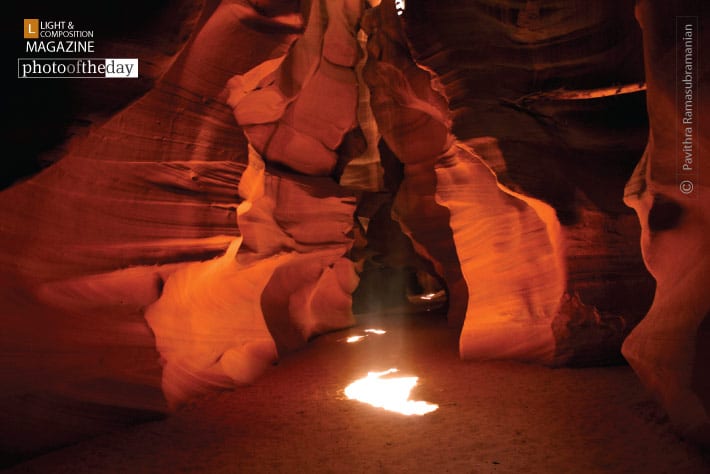
Captured within the iconic sand dune formations of the Navajo tribe reservation, this photograph showcases the ethereal beauty of Antelope Canyon. The image highlights the interplay of direct sunlight against the canyon's signature red sandstone, creating a surreal, alien-like palette of vibrant colors and flowing textures. By masterfully framing the natural undulations of the rock, the photographer emphasizes the canyon's unique geological rhythm. This piece is award-worthy for its ability to transform a well-known landscape into a fresh, otherworldly vision, demonstrating a keen eye for light, color, and the raw, sculptural elegance of the American Southwest.
Based in San Diego, California, Pavithra Ramasubramanian is an amateur photographer driven by a profound appreciation for the natural world. Her work is deeply inspired by her love for nature and wildlife, which she explores through her extensive travels. Beyond her photographic pursuits, she maintains a vibrant interest in diverse musical genres and culinary experiences, all of which inform her creative perspective and artistic sensitivity.
Transparency Note: The resonance score (15.1/20) is calculated based on social engagement metrics collected before the award announcement.
In the high deserts of the American West, the wind does not merely blow; it carves. It is a slow, patient sculptor, working with the only tool it has—the grit of sand and the persistence of centuries.
Read the reflection →Time does not move in a straight line. We imagine it as a river, but it is more like the slow, patient grinding of earth against earth. In the places where the wind has carved its name into the rock, you can hear the silence of centuries.
Read the reflection →Share your thoughts about this award-winning photograph. Your reviews contribute to the community engagement score.
 Sondha Prodeep by Shahnaz ParvinThe Weight of the Soil
Wow this is amazing!