When Life Gives You Citrus… by Roseanne Orim
Inspired by a fresh haul of citrus intended for homemade lemonade and grilled sea bass, the photographer transformed simple ingredients into a vibrant flat-lay composition. Using a newly acquired 50mm lens, she carefully arranged the fruit to capture the textures and bright, zesty colors of the harvest. This image stands out for its clean, intentional arrangement and the way it elevates everyday kitchen staples into a compelling visual narrative. The photograph demonstrates a keen eye for color harmony and light, turning a routine culinary preparation into a sophisticated piece of food art that celebrates the beauty of natural produce.
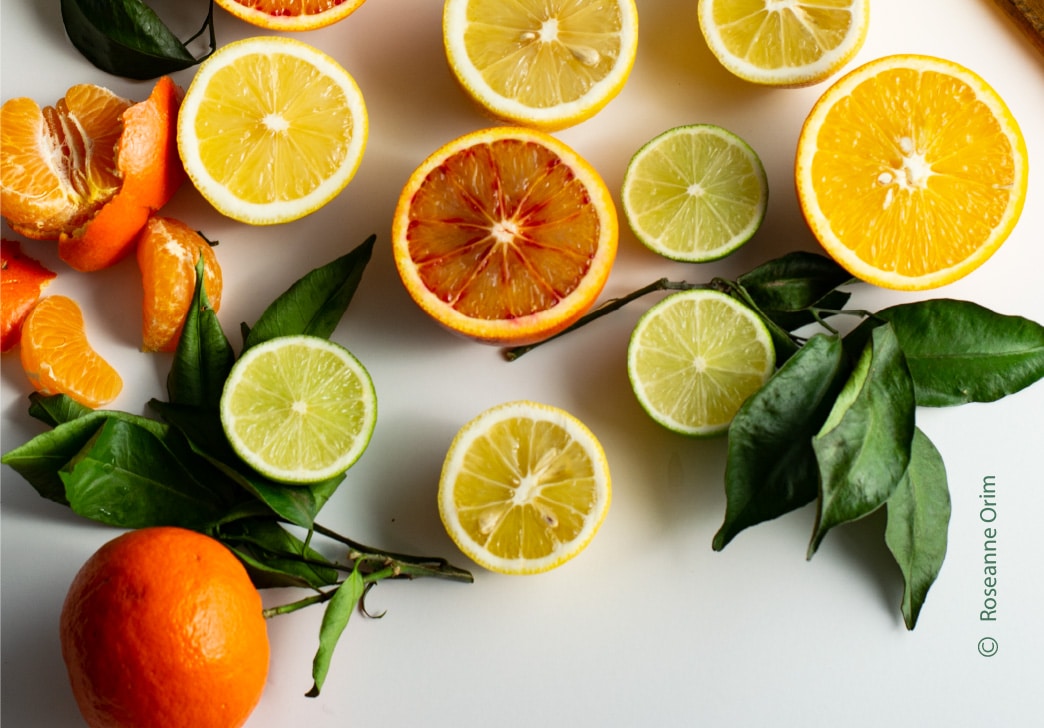
Exposure 1/30sec @ f/5.6 | ISO 100 | Focal Length 50mm
Roseanne Orim
Born and raised in Nigeria, Roseanne Orim spent years living in England before settling in Dubai. Her deep-seated passion for culinary arts, rooted in her upbringing, inspired the creation of her food blog, CHOP-BELLE-FULL, where she explores diverse flavor palettes and shares simple, soulful recipes. Through her photography and writing, she celebrates the stories behind global dishes, aiming to inspire others by transforming basic ingredients into meaningful culinary experiences. Her work serves as a bridge between her Nigerian heritage and her international journey as a food enthusiast and storyteller.
Resonance Score Breakdown
Transparency Note: The resonance score (10.8/20) is calculated based on social engagement metrics collected before the award announcement.
Expert Photography Reviews · 5
The Geometry of the Harvest
There is a quiet, rhythmic labor in the kitchen that feels like a conversation with the earth.
Read the reflection →The Sharpness of Noon
There is a specific, piercing clarity that arrives when the sun sits directly overhead, stripping away the long, forgiving shadows of morning.
Read the reflection →Reviews & Comments
Share your thoughts about this award-winning photograph. Your reviews contribute to the community engagement score.
Orim’s flat-lay echoes the structured precision of early 20th-century New Objectivity, yet it lacks the clinical detachment of Renger-Patzsch. While the citrus arrangement nods to the vibrant color palettes of contemporary commercial work, it’s the play of light across the rinds that caught me off guard; it’s genuinely refreshing. She’s moved beyond mere documentation into a tactile study of form. It’s a modest, zesty conversation with the history of still life that I’ve found surprisingly delightful.
There’s a quiet stillness here, as if the fruit were waiting for the sun to find them. She didn’t rush the arrangement; she listened to the way the light grazed those rinds. I’ve spent enough dawns watching shadows lengthen to recognize the patience in these textures. It’s a humble, zesty grace. Looking at these lemons, I suddenly feel a strange, sharp thirst for the simple, unhurried light of a Dubai afternoon. It’s a beautiful, honest pause.
The light here mimics the crisp, clinical clarity of a Dutch still life, yet it’s the tactile geography of the citrus that truly anchors the frame. I’m struck by how the rinds’ porous textures invite the touch; they aren’t merely ingredients, but the protagonists of this domestic stage. By stripping away the human figure, Orim forces us to find the portrait in the fruit itself. It’s a vibrant, zesty narrative of a kitchen’s quiet, sun-drenched life.
Orim’s flat-lay treats citrus like a structural grid, ignoring the spatial depth I crave. It’s a clean datum of rinds and pulp, yet it lacks the threshold of a real room. Where’s the movement? I’m left wanting the architecture of the kitchen itself—the way light hits a countertop, not just the fruit. It’s technically sharp, sure, but I’d trade this sterile geometry for one honest, messy shadow cast against a wall. It feels lonely.
It’s technically competent, sure, but it’s suffocatingly safe. By freezing these lemons at 1/30sec, Orim misses the chance to let the citrus bleed into the frame. I’m genuinely bored by this obsession with crisp edges. Why not embrace the smear of the juice or the kinetic energy of the harvest? This approach is closer to a grocery circular than Hiroshi Sugimoto’s long-exposure theatres. What did she choose not to resolve? Everything interesting, unfortunately.