Photography

The Ethical Eye: Documentary, Portrait, and the Boundaries of Practice
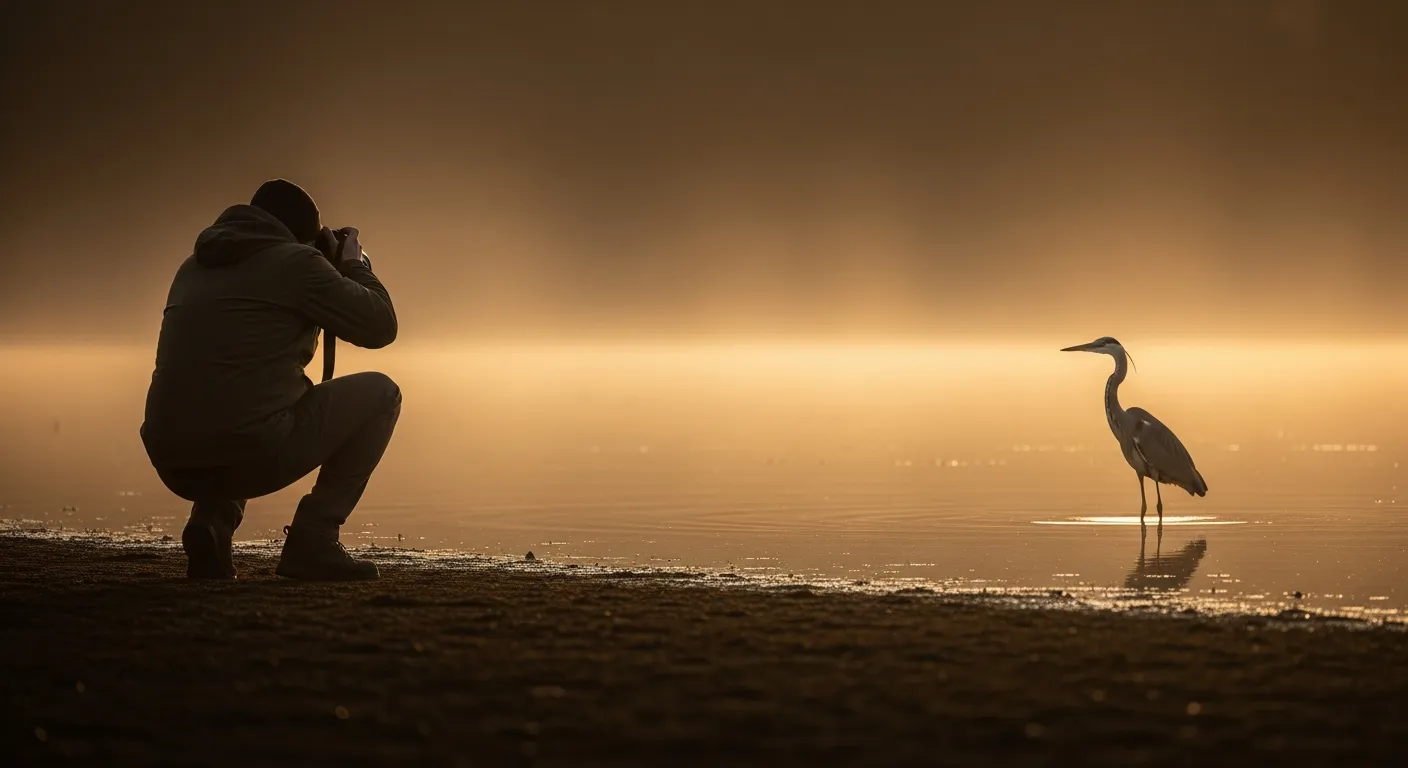
Each working genre asks the photographer a different hard question — truth in documentary, power in the studio, harm in the wild — and the ethical eye is the discipline of answering all of them the same way: subject first, photograph second.

The working photographer's ethics at Master's standard, genre by genre: the absolute documentary rule and dignity at the most vulnerable moment; informed consent and the power of the set in portrait and fashion; the commercial promise in product and food; leave-no-trace and category honesty in landscape; wildlife's one law of subject welfare; and the published professional code that binds it all.

Course Overview

The Bachelor curriculum builds the photographer's conscience; this Master's course takes it to work. Because the ethics of photography changes with the segment being practised, each working genre asks the photographer a different hard question, and this course walks them in turn — at the standard of a working professional whose decisions now carry clients, publications, and subjects with them. In documentary, the question is truth: why the rule behind that door is absolute — no staging, no paying of subjects, no caption that says more than the photographer knows — and how dignity is kept when the subject is at the most vulnerable hour of his life. In the studio, the question is power: what informed consent means on a set where one person holds the camera, the lights, and the pay cheque, and what may honestly be retouched in a face or promised about a product.

In the wild, the question is harm: the landscape photographer's leave-no-trace honesty, the geotag that loves a fragile place to death, and wildlife photography's one law — the welfare of the subject comes before the photograph, before the client, before the once-in-a-lifetime frame. No baiting with live animals, no pressing a nesting bird, no flash on the nocturnal hunter, no captive animal presented as wild.

The course closes by drawing the threads into the professional's discipline: truth of label across every genre — captions, categories, composites, and AI — and the writing of a published, professional code of practice: the standard you announce, teach, and can be held to, which is what separates a professional's ethics from a private hope. It is the ethics course of the Master's tier because it is the one the working photographer is examined on every day of a career.

8
Lessons
Comprehensive modules
24
Quizzes
Test your knowledge
8
Assignments
Practical work
6
Credits
Academic credits
Course Identifier
PHO 447
Department
Photography
Effort Required
5–7 hours per week
Length
8 lessons across 4 modules
Prerequisites
This is a Master's-level course, and it assumes the completed knowledge of the Bachelor curriculum: the camera and its craft, the working genres, and above all the foundations of photographic ethics taught in PHO 347 — the three guiding concepts, the two questions, the legal and ethical maps, permission and its paperwork, ownership and credit, and the line between processing and manipulation. Those foundations are used here, not retaught. A student who has not taken PHO 347 should begin there.

Explore Course Lessons

Preview the course structure

Explore Lessons
Your Academic Journey
Course
1 Course
Master
8 Courses
PhD
Research

Faculty & Resources

Recommended Books & Publications

All publications below are included with your course purchase at no additional cost.
This Course Costs an Affordable Fee of

ONLY $250.00

ONE-TIME

OR CHOOSE YOUR PAYMENT PLAN