France
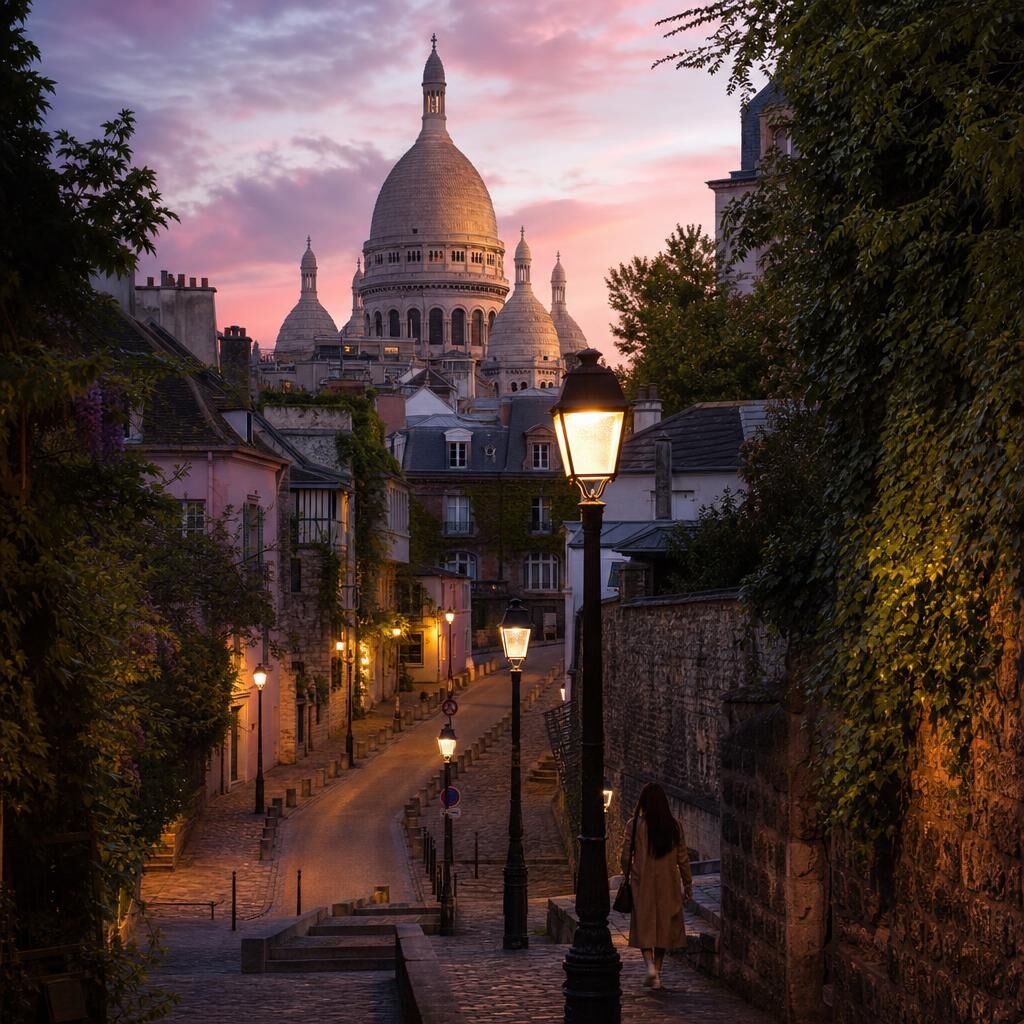
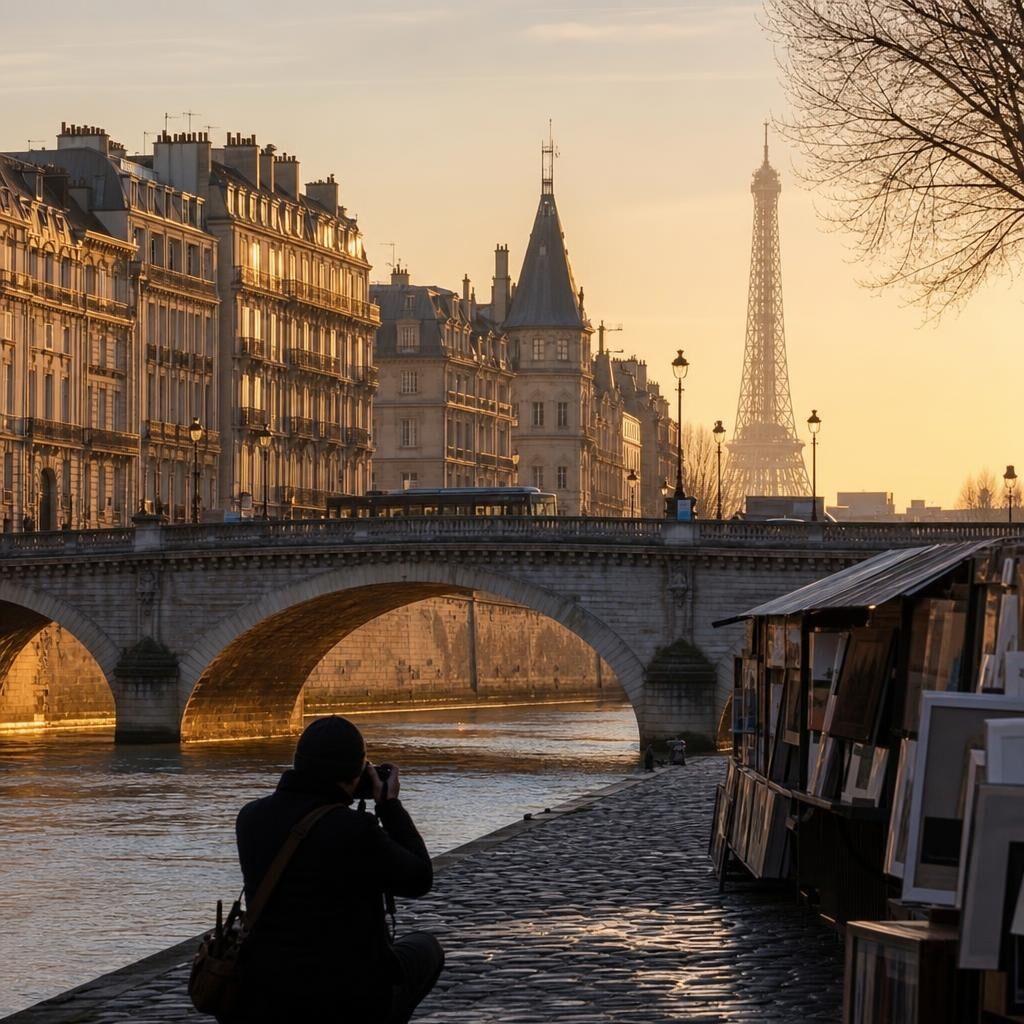
France stands as an unparalleled photography destination in Europe, offering an incredibly diverse tapestry of landscapes and iconic landmarks. From the dramatic peaks of the French Alps and the rugged beauty of the Pyrenees to the sun-drenched beaches of the Mediterranean and the wild Atlantic coast, photographers can capture an astonishing range of natural scenery. Beyond its coastlines and mountains, France boasts rolling vineyards, tranquil river valleys like the Loire, and picturesque countryside dotted with charming medieval villages. Iconic man-made wonders further enrich the visual feast, including the majestic Eiffel Tower and historic Louvre in Paris, the ethereal Mont Saint-Michel, the vibrant lavender fields of Provence, and the fairytale châteaux scattered across the country, each providing endless photographic opportunities.The best season to photograph France largely depends on the desired subject matter. Spring ushers in a burst of color with cherry blossoms in Parisian parks, wildflowers across the countryside, and the first hints of lavender in late June, offering lush green landscapes. Summer provides long golden hours perfect for coastal scenes and bustling city life, though popular sites can be crowded. Autumn transforms vineyards into fiery tapestries of red and gold, while forests glow with warm hues, ideal for landscape and architectural photography with a rich palette. Even winter has its charm, presenting atmospheric, often misty, cityscapes, snow-capped mountains, and cozy village scenes. Beyond landscapes, France's rich cultural fabric provides endless subjects: the intricate architecture of its cities and towns, the vibrant energy of street markets, the timeless allure of café culture, and the everyday elegance of French life, all contributing unique cultural elements to any photographic narrative.For photographers planning a trip to France, several practical tips can enhance the experience. Maximizing the golden and blue hours around sunrise and sunset is crucial for capturing the best light, especially for cityscapes and landscapes. Arriving early at popular locations like Mont Saint-Michel or the Eiffel Tower can help avoid crowds and secure prime shooting positions. A sturdy tripod is essential for low-light conditions, long exposures, and achieving sharper images. Always research local regulations regarding drone usage and potential permits required for commercial photography, particularly in historic sites. Respect local etiquette, especially when photographing people; a polite "Bonjour" and a gesture often go a long way. Carry extra batteries and memory cards, and don't be afraid to wander off the beaten path – some of France's most captivating scenes are found in unexpected corners, offering unique perspectives beyond the well-trodden tourist routes.
Showing all 2 results