The Inspiration to the Scientists by Tanmoy Saha
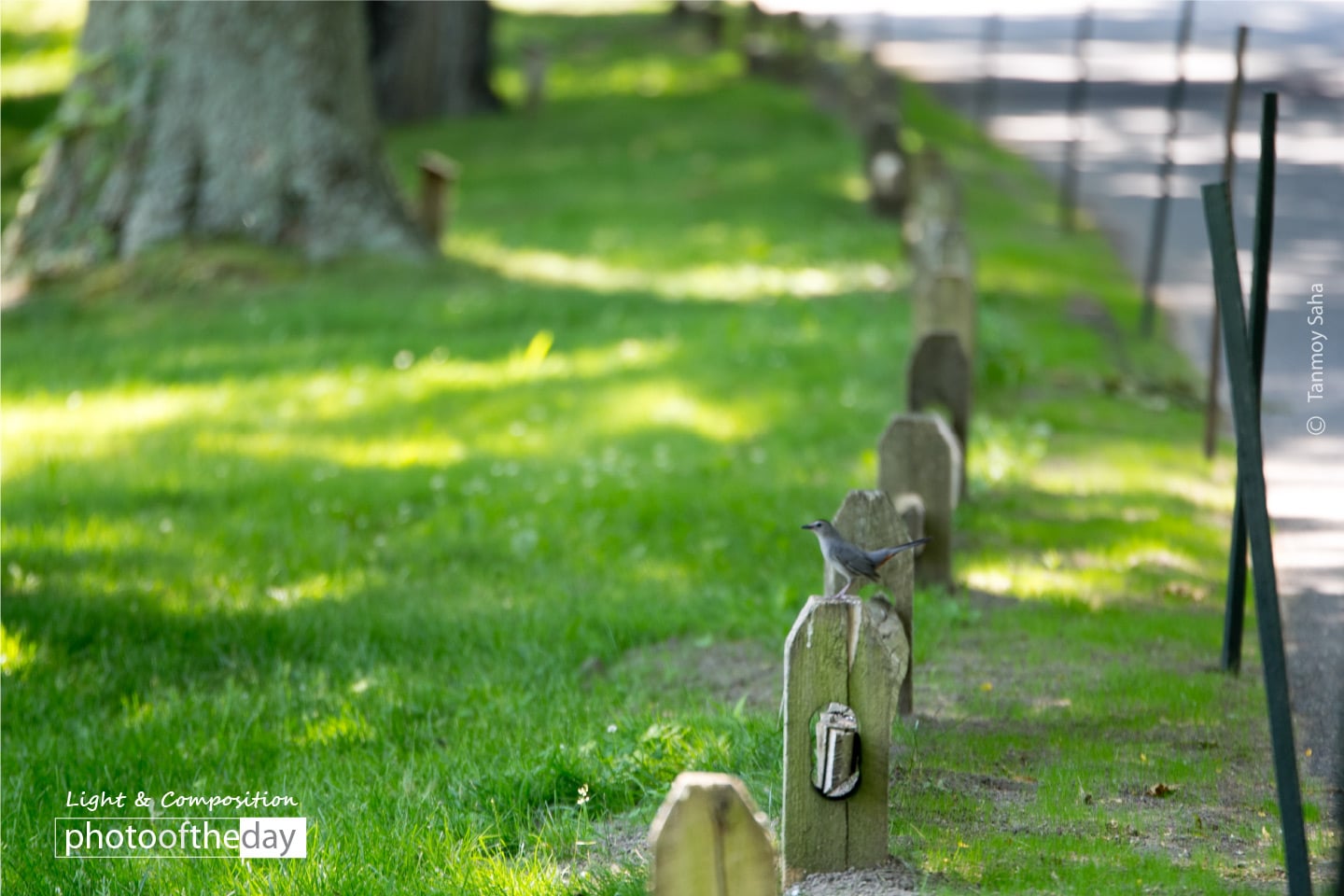
Captured at the Cold Spring Harbor Laboratory in New York, this photograph explores the intersection of scientific endeavor and natural beauty. The photographer was struck by the serene environment surrounding the facility, perceiving the landscape as a vital source of inspiration for the researchers working within. By focusing on the interplay of light and the organic surroundings of the laboratory grounds, the image serves as a visual testament to the quiet, restorative power of nature. This thoughtful composition highlights the photographer's ability to find profound artistic meaning in the everyday settings of scientific discovery.
Tanmoy Saha
Based in Dhaka, Bangladesh, Tanmoy Saha Turja has been refining his photographic craft since 2007. His diverse portfolio spans the realms of portraiture, landscape, and wildlife photography, reflecting a deep commitment to capturing the world with precision and empathy. Having honed his technical skills through foundational courses at the Dhaka University Photography Society and Pathshala, he continues to develop his unique artistic voice, consistently seeking to document the subtle beauty found in both natural and human-centric environments.
Resonance Score Breakdown
Transparency Note: The resonance score (11.5/20) is calculated based on social engagement metrics collected before the award announcement.
Expert Photography Reviews · 6
The Hum of Quiet Growth
The smell of damp earth after a long rain is a language the body speaks fluently. It is a heavy, metallic scent that clings to the back of the throat, tasting faintly of iron and ancient roots.
Read the reflection →The Architecture of Quiet
We often mistake silence for an empty room, a space where nothing happens. But silence is a heavy, fertile soil. It is the place where the mind, exhausted by the friction of logic and the sharp edges of facts, finally lays its burden down to breathe.
Read the reflection →Reviews & Comments
Share your thoughts about this award-winning photograph. Your reviews contribute to the community engagement score.
The frame’s architecture relies on the verticality of the trees to anchor the composition. It’s a rigid, disciplined structure. The negative space between the trunks provides a necessary fulcrum, preventing the density of the foliage from collapsing into chaos. I’m genuinely unsettled by the lack of a clear focal point, though. The eye wanders, searching for a resolution that doesn’t arrive. It’s technically sound, yet the visual tension remains unresolved. The frame barely holds.
1/125sec at f/2.8, 200mm. It’s a narrow window. At 200mm, f/2.8 demands absolute focus precision; the depth of field is razor-thin. Saha’s choice here isolates the subject effectively, though the shutter speed is borderline for handheld work at this focal length. I’ve seen enough motion blur to make me nervous, but he’s held it steady. It’s technically sound. The isolation of the foliage against the bokeh is a correct decision. It’s clean. I actually respect the restraint.
The light here doesn’t demand attention; it whispers. Standing at Cold Spring Harbor, Tanmoy must have felt that heavy, expectant silence before the shutter clicked. It’s a quiet, restorative hum captured in the trees. I’ve spent enough hours waiting for that specific, soft glow to know he didn’t rush this. It makes me want to pull up a chair and just breathe. He listened to the land, and it finally decided to reveal itself.
Cold Spring Harbor Laboratory isn’t just a backdrop; it’s an institution of power. Why does Saha frame this nature as a passive, restorative resource for the scientists inside? It feels like a sanitized view of a landscape that’s actually a site of intense, often fraught, biological inquiry. I find myself wanting to see the tension, not just the soft light. Who gets to define this space as serene? Is nature here merely a prop for human genius?
Cold Spring Harbor’s glass facades usually demand a dialogue with the horizon, but here, the architecture retreats. By compressing the frame with a 200mm lens, Saha flattens the threshold between the lab’s rigid geometry and the organic chaos outside. It’s a quiet, honest omission; he’s traded the building’s structural datum for the soft, dappled light hitting the foliage. I find myself wishing I could step back to see the fenestration, yet this intimacy feels surprisingly true.
Cold Spring Harbor’s grounds are undeniably peaceful, but where are the people? I’ve spent my life looking for the human pulse in a frame, yet here, the scientists are ghosts. It’s a lovely landscape, sure, but it’s missing the conversation. I want to see the hands that hold the pipettes or the tired eyes of a researcher seeking answers. Without that human connection, it’s just a pretty view. I’m left feeling a bit lonely here.