The Fallen Rose by Suraj Krishnamurthy Cheemangala
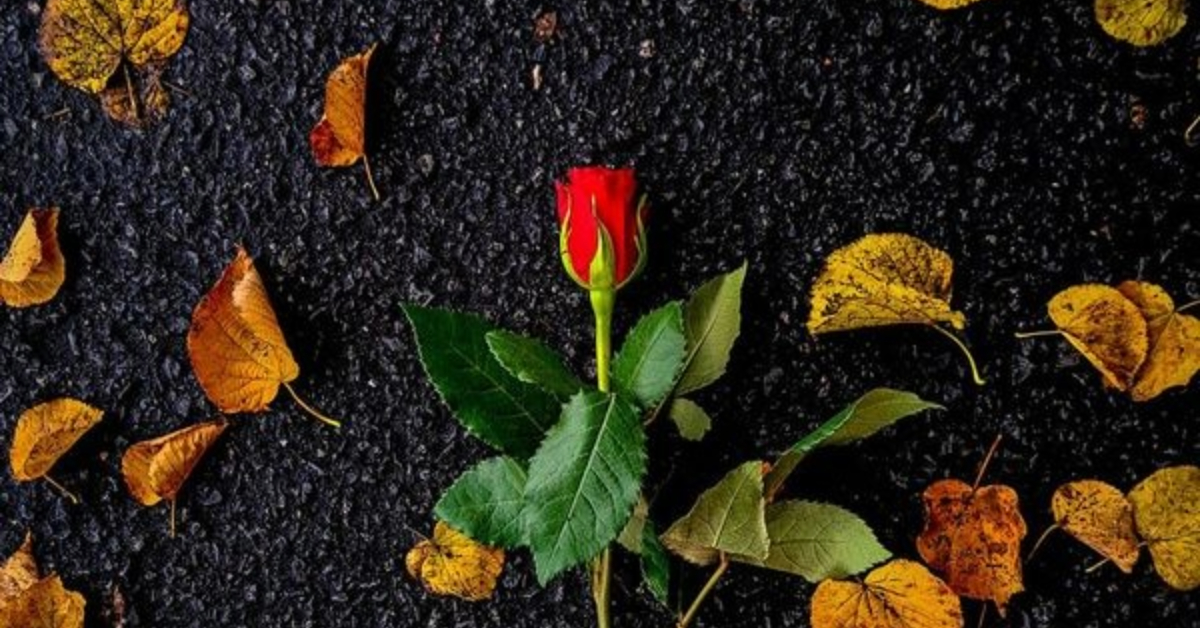
Captured on a crisp autumn evening, this photograph explores the poignant contrast between a fresh rose and a bed of withered leaves. The photographer carefully placed the vibrant bloom amidst the decaying foliage to symbolize the cyclical nature of life—a delicate balance between renewal and decay. By utilizing the mobile camera's capabilities in a serene park setting, the image transforms a simple, spontaneous moment into a profound visual narrative. The deliberate composition highlights the texture of the leaves against the soft petals, earning recognition for its evocative storytelling and thematic depth.
Suraj Krishnamurthy Cheemangala
Based in Norway, Suraj Krishnamurthy Cheemangala balances a professional career in IT Helpdesk with a dedicated pursuit of fine art photography. His work is defined by a keen eye for the beauty found in everyday moments, blending technical precision with a deep sense of emotional storytelling. By constantly exploring new techniques and creative challenges, he refines his craft to capture the subtle nuances of the world around him, reflecting a unique harmony between his analytical professional background and his artistic vision.
Resonance Score Breakdown
Transparency Note: The resonance score (6.7/20) is calculated based on social engagement metrics collected before the award announcement.
Expert Photography Reviews · 5
The Persistence of Color
I found myself lingering near the iron gates of a small park in the 11th arrondissement yesterday, watching the wind rearrange the debris of the season.
Read the reflection →The Grace of Returning to Earth
When a leaf detaches from its branch, it does not fall with the chaos of a stone; it follows the subtle currents of the air, a final, deliberate navigation toward the forest floor. This is not an end, but a necessary surrender.
Read the reflection →Reviews & Comments
Share your thoughts about this award-winning photograph. Your reviews contribute to the community engagement score.
Before the eye identifies the rose, the chest tightens. It’s a sudden, visceral recognition of transience. The vibrant petals against those brittle, decaying leaves trigger a sharp, somatic ache—a reminder of everything I’ve let slip away. When I return to this, the contrast feels less like a narrative and more like a quiet, rhythmic pulse. It’s the kind of image that follows you into sleep, leaving a lingering, cold weight in the palms.
We look at this rose and we don’t just see a flower; we see a life story resting on the earth. Suraj didn’t just snap a picture; he listened to the silence of that autumn evening in Vigelands Park. It’s a quiet conversation between the vibrant petals and the brittle, dying leaves. I find myself holding my breath, feeling the weight of time passing. It’s a photograph that asks to be returned to, again and again.
Vigelands Park, autumn. A rose against dead leaves. It’s a classic setup, but did it breathe? I’m looking for the chaos of the street, the tension of a life lived in public. This feels staged, a quiet still life rather than a hunt. Cartier-Bresson would’ve waited for a passerby to disrupt the silence. It’s pretty, sure, but it doesn’t make my heart race. One tenth of a second later, the frame has collapsed into static.
The rose’s placement creates a precarious fulcrum against the chaotic texture of the detritus. It’s a calculated disruption of the frame’s entropy. The spatial tension holds, yet the peripheral decay threatens to swallow the subject entirely. I’m genuinely irritated by the lack of depth in the background, which flattens the picture plane into a mere decorative surface. It’s structurally sound, but it doesn’t quite command the space it occupies. The geometry is almost enough.
It’s refreshing to see such vibrant reds on land. Down where I work, those wavelengths vanish within five metres, swallowed by the water column. Here, the rose’s saturation is a luxury I rarely encounter. I’m struck by the crisp texture of the decaying leaves; there’s no backscatter to blur these edges, no refractive index distorting the light. It’s a clean, sharp narrative of decay that doesn’t require a strobe to fight the physics of the deep.