Presente by Juarez Malavazzi
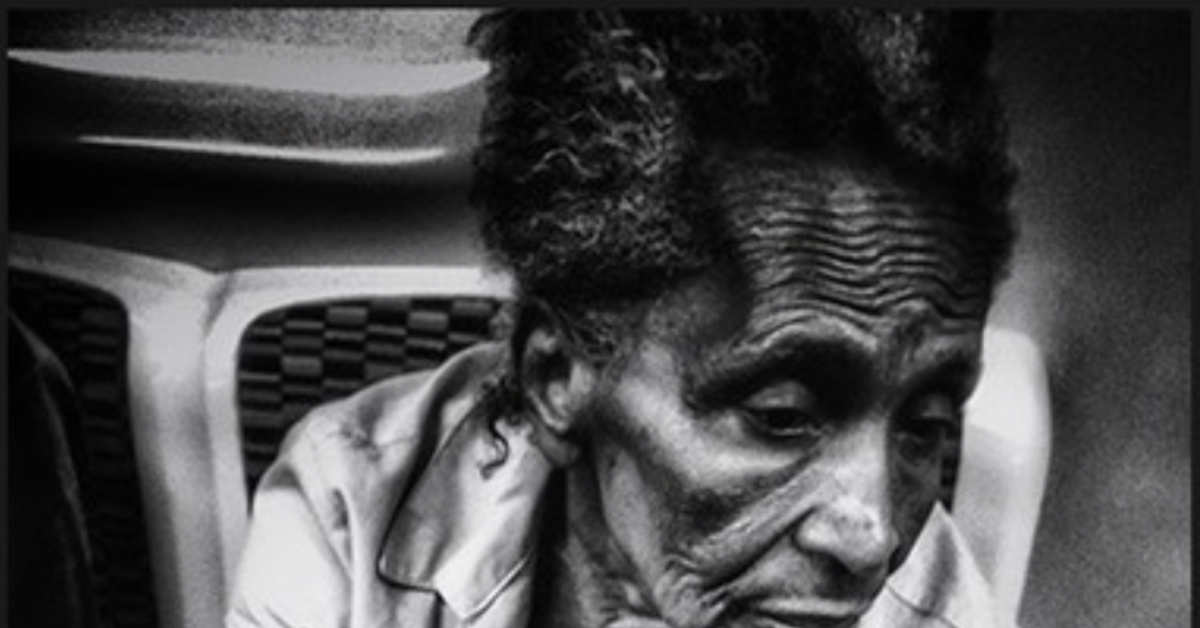
This poignant photograph captures the rhythmic, transient nature of urban existence within the bustling public transport network of São Paulo. By focusing on the daily commute of city dwellers, the photographer highlights the resilience of individuals navigating multiple transfers to bridge the gap between home and work. The image serves as a raw, humanist document of these fleeting, anonymous encounters. It is award-worthy for its candid composition and the photographer's ability to transform a mundane, repetitive routine into a profound visual narrative that reflects the soul and stamina of a sprawling metropolis.
Juarez Malavazzi
Born in Brazil, Juarez Malavazzi is a self-taught photographer who brings a unique perspective shaped by a distinguished career as an international model. Having worked alongside legendary fashion photographers across Europe and the United States, he eventually transitioned into film, earning a degree in directing from New York University. Influenced by masters such as Robert Capa and Henri Cartier-Bresson, Malavazzi now focuses his lens on the intricacies of urban life, crafting a humanist body of work that documents the authentic, everyday experiences of people in his home city of São Paulo.
Resonance Score Breakdown
Transparency Note: The resonance score (6.6/20) is calculated based on social engagement metrics collected before the award announcement.
Expert Photography Reviews · 7
The Architecture of Transit
We are all, in a sense, ghosts in transit. We spend our lives moving through corridors of glass and steel, suspended between the places we have left and the destinations we have yet to reach.
Read the reflection →The Weight of Transit
I keep a small, brass key in the velvet lining of my jewelry box, though I have long since forgotten which door it once opened. It is worn smooth by the friction of a pocket, its edges softened by years of being carried without a destination.
Read the reflection →Reviews & Comments
Share your thoughts about this award-winning photograph. Your reviews contribute to the community engagement score.
The frame functions as a series of intersecting vectors. Malavazzi anchors the composition on a sharp vertical axis, bisecting the commuters into distinct geometric quadrants. The rhythmic repetition of the train’s interior architecture creates a compelling 3:1 ratio of shadow to light, forcing the eye toward the central focal point. It’s a beautifully solved spatial equation. I’m genuinely struck by how the diagonal lines of the handrails pull the chaos into such perfect, rigid order.
The frame holds a heavy silence. A single figure leans against the glass. It’s a study in isolation amidst the rush of São Paulo. I’ve spent minutes watching the blur of the platform. It doesn’t distract. The void behind the commuter isn’t just shadow; it’s the weight of the day. Nothing here is accidental. The empty corner is not empty. It’s a breath held in the dark. I feel the stillness in my own chest.
Staring at these commuters, I’m struck by how they’re suspended in a medium as dense as the ocean. It’s a claustrophobic, monochromatic drift. Down at thirty metres, light doesn’t just fade; it dies, leaving only silhouettes and suspended particles. Here, the grain mimics the backscatter I’ve fought to avoid for years. It’s a strange, beautiful pressure. I’ve spent my life watching creatures navigate currents, but seeing humans navigate this urban tide feels just as alien.
It’s a rare thing to find someone lingering in a São Paulo transit hub long enough for the chaos to settle into a rhythm. Most folks snap and run, but here, the blur of the commute feels deliberate. I’ve spent enough hours shivering on hillsides to recognize the patience required to catch this stillness. It’s a quiet, gritty achievement. One suspects the photographer didn’t just pass through; they stayed until the city finally blinked.
São Paulo’s transit isn’t just movement; it’s a brutalist rhythm of solid and void. Malavazzi captures the threshold where architecture dissolves into the human commute. The light raking across those tired faces reveals the weight of the structure itself, turning the station into a cavernous, temporal datum. It’s haunting how the fenestration frames their anonymity. I’ve spent years studying these spaces, but this frame finally makes me feel the exhaustion of the city’s concrete bones.
São Paulo’s transit rhythm feels exhausting here, yet I’m unsettled by the anonymity. Malavazzi captures these commuters, but does he see them, or just their utility? Why are their faces blurred into the infrastructure? It’s a cold aesthetic choice for such a human struggle. I feel a sharp pang of guilt looking at them like objects in a transit hub. Who gave us the right to turn their daily exhaustion into our art? It’s uncomfortable.
Before the eye identifies the commuters, something in the chest tightens. It’s the weight of the transit, the way the blur of São Paulo’s rhythm forces a shallow breath. I feel a sudden, sharp ache for the anonymity of those blurred faces. When I return to this a year from now, I’ll still feel that vibration of the train in my own bones. It’s a quiet, persistent hum that follows me into sleep.