Close Call by Arnaud Fabregues
In the vast, serene landscape of the Sundarbans, the photographer captured a quiet, intimate moment with a Common Sandpiper. Amidst the mud and water, the bird moved with a natural, unhurried grace that contrasted beautifully with the immense scale of its environment. By focusing on the simplicity of the subject, the photographer highlights the subtle charm of the region. The image is award-worthy for its ability to find profound beauty in a fleeting, everyday encounter, transforming a humble scene into a compelling narrative of wildlife in its most authentic, undisturbed state.
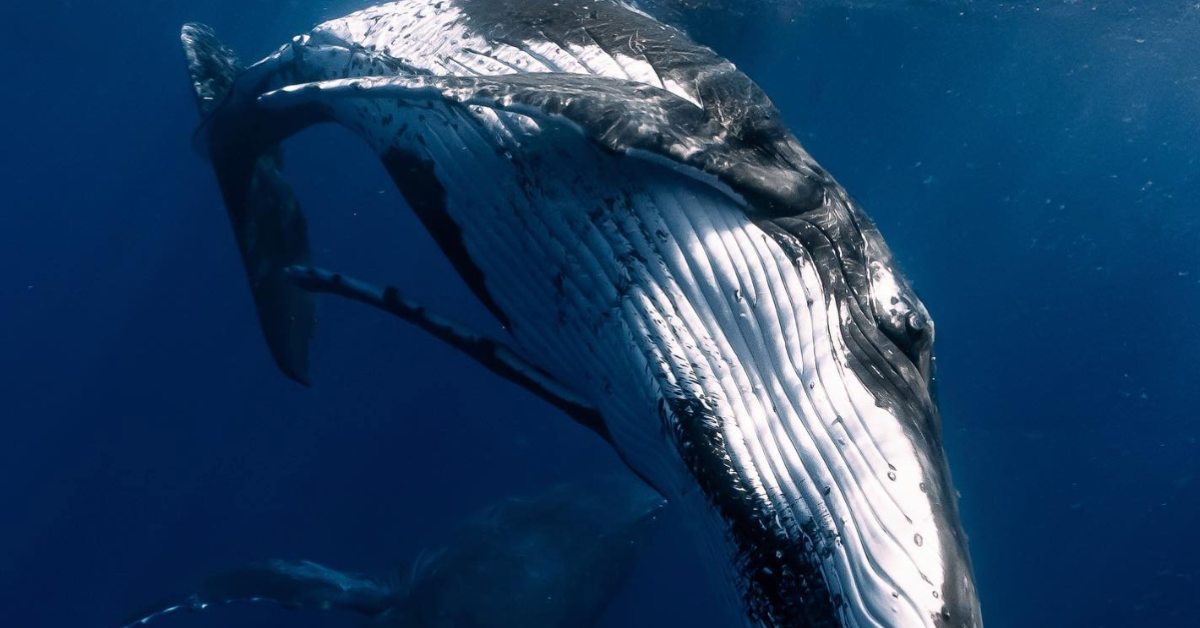
Arnaud Fabregues
Born in Montpellier, France, thirty-year-old Arnaud Fabregues began his photographic journey capturing the depths of the ocean in Indonesia and French Polynesia. Through his lens, he reveals the hidden beauty of the sea to those who do not dive, translating the underwater world into evocative imagery. Currently utilizing a Sony a6500, Fabregues has expanded his creative focus to include architecture and wildlife photography. His practice is defined by a meticulous attention to detail and a commitment to precise composition, aiming to capture and preserve singular, fleeting moments. By emphasizing the aesthetic nuances of his subjects, Fabregues continues to refine his craft, seeking to present the natural and built environments through a unique and compelling perspective for an international audience.
Resonance Score Breakdown
Transparency Note: The resonance score (6.5/20) is calculated based on social engagement metrics collected before the award announcement.
Expert Photography Reviews · 7
The Silence Between Breaths
How much of our existence is defined by the space we occupy, and how much by the space we choose to leave untouched? We spend our lives carving out territories, marking boundaries with stone and ambition, convinced that to be seen is to be significant.
Read the reflection →The Weight of a Footstep
There is a profound language in the way a creature touches the earth. We often move through the world as if we are separate from it, our steps heavy with the noise of our own intentions.
Read the reflection →Reviews & Comments
Share your thoughts about this award-winning photograph. Your reviews contribute to the community engagement score.
The Sundarbans aren’t just a backdrop for a bird’s grace; they’re a complex, fragile ecosystem. Why does this frame strip away the human struggle inherent to this landscape? It’s technically sharp, sure, but it feels sanitized. I’m left cold by how the mud is rendered as mere aesthetic texture rather than a living, breathing home. Whose narrative are we prioritizing here? It’s a pretty picture, but it’s missing the messy, vital truth of the place.
There’s a quiet dignity in how this sandpiper navigates the mud, but it’s a portrait of distance, not connection. I’ve spent my life chasing the spark of a shared moment, and here, the bird remains entirely indifferent to the lens. It’s technically sharp, sure, but it doesn’t invite me in. I find myself wishing for a flicker of recognition. It’s a lovely scene, but it’s missing the soul that only comes when two beings truly meet.
Before the eye identifies the sandpiper, something in the chest tightens. It’s the silence of the Sundarbans, that heavy, humid stillness that makes your own pulse feel intrusive. I’ve returned to this frame three times today; each time, the mud’s texture pulls me deeper into a quiet, primal vulnerability. It doesn’t just show a bird; it forces a held-breath moment. I find myself wanting to step back, afraid my gaze might disturb the water’s surface.
The frame holds its breath. A Common Sandpiper, caught in the mud, frozen in a rhythm that feels like a long, silent tracking shot. It’s a masterclass in stillness. I’ve watched enough footage to know when a cut would have been a mistake; here, the shutter closed at the exact moment the environment surrendered to the subject. It’s haunting. I felt my own pulse slow down just looking at it. That’s the frame the editor keeps.
The frame’s geometry succeeds where others fail. The sandpiper occupies the lower third, anchoring the composition against the vast, negative space of the mudflat. It’s a precise exercise in spatial tension. The horizon line acts as a rigid fulcrum, preventing the subject from drifting into insignificance. I’ve rarely seen such disciplined placement. It doesn’t rely on sentiment; it relies on the architecture of the frame. The balance is cold, calculated, and entirely necessary.
The Sundarbans mud is a miserable place to spend an afternoon, yet here we are. One doesn’t capture a sandpiper with such intimate stillness by accident; it’s the result of hours spent sinking into the silt, waiting for the bird to forget you exist. I’ve been that cold, and it’s rarely pleasant. Arnaud clearly committed to the muck. It’s a quiet, earned victory. He didn’t just find this shot; he sat until it was granted.
In the Sundarbans, we often look for the tiger, but Arnaud Fabregues listened to the mud instead. We see this Common Sandpiper and realize it’s holding a conversation with the tide. It’s a portrait of patience, not just wildlife. I find myself holding my breath, afraid to disturb its quiet grace. It’s a rare thing to feel such intimacy with a creature so small against that vast, ancient landscape. This is a photograph that asks to be returned to.