Chasing Light by Arun M Shobh
Captured during a graduation ceremony at the Barbican in London, this photograph serves as a poignant metaphor for transition. As graduates move from the shadows into the light, the image documents their physical journey toward a formal honor ceremony while symbolizing the broader promise of their future. The photographer skillfully utilizes the architectural interplay of light and dark within the venue to frame this hopeful moment. This composition is award-worthy for its ability to transform a routine event into a narrative of aspiration, capturing the quiet, universal spirit of new beginnings with technical precision and emotional resonance.
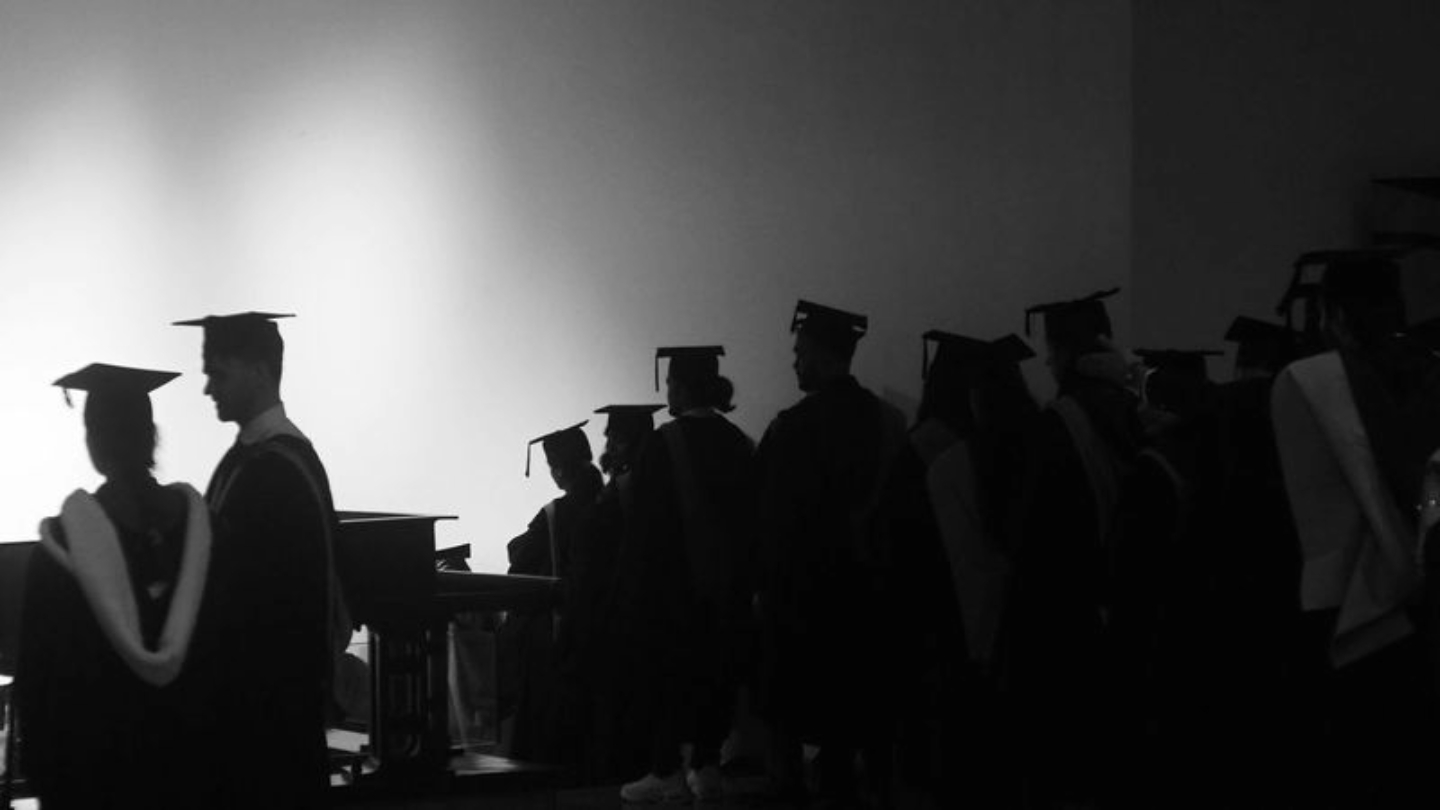
Exposure 1/320sec @ f/unknown | ISO 4000 | Focal Length 35mm
Arun M Shobh
Based in London, Arun M Shobh is a versatile photographer recognized for his evocative street scenes and his ability to document the human experience within urban environments. Known professionally as the.35mmproject, he has earned the Picfair Star Award on over ten occasions, reflecting his consistent narrative flair and technical dedication. His work is characterized by an intimate perspective and a deep passion for connecting with his subjects, resulting in dynamic imagery that captures the essence of life with both emotional depth and stylistic precision.
Resonance Score Breakdown
Transparency Note: The resonance score (6.8/20) is calculated based on social engagement metrics collected before the award announcement.
Expert Photography Reviews · 7
The Architecture of Emergence
Deep within the forest floor, mycelium networks remain dormant for months, waiting for the precise shift in moisture and temperature that signals the time to fruit. When the conditions align, the organism pushes upward, breaking through the heavy, compacted soil to reach the air.
Read the reflection →The Threshold of Breath
We are always standing in the doorway. Behind us, the room is warm, familiar, and exhausted by our presence. Ahead, the corridor stretches into a grey uncertainty that promises nothing but the next step.
Read the reflection →Reviews & Comments
Share your thoughts about this award-winning photograph. Your reviews contribute to the community engagement score.
The Barbican’s concrete geometry doesn’t just frame these graduates; it humbles them. I’ve spent enough time in cavernous, silent halls to know that light here isn’t merely illumination—it’s a threshold. Arun waited for that precise moment when the shadows surrendered to the glow. It’s a quiet, heavy transition. Looking at the way the light catches their robes, I feel a sudden, sharp ache for the uncertainty of my own beginnings. They’re walking into everything.
1/320sec at ISO 4000 on a Micro Four Thirds sensor. That’s a noisy compromise. You’ve traded signal-to-noise ratio for a shutter speed that barely justifies the grain. It’s a gamble that doesn’t quite pay off. I’m tired of seeing high ISOs used to mask poor light management. The composition is competent, but the technical execution feels rushed. It’s technically sloppy, and frankly, it irritates me. You had the light; you just didn’t have the discipline.
Before the eye identifies the graduates, a sudden stillness settles in the chest. The Barbican’s brutalist shadows press inward, forcing the breath to shallow, until that sliver of light pulls the gaze forward. It’s a visceral tug toward the unknown. I’ve felt this exact, anxious vertigo before—that threshold between safety and the vast, unwritten future. Returning to it, the silence feels heavier, a reminder that we’re all just chasing light before the dark returns.
Most graduation shots are forgettable clutter, but this one sticks. The Barbican’s brutalist geometry acts as a cage, forcing the graduates into a sliver of harsh, directional light. It’s that claustrophobic tension that makes it endure. I’ve seen thousands of ceremonies, yet this composition actually makes me feel the weight of their transition. It’s not just a record of a day; it’s a visual argument that the future is a narrow, blinding exit from the dark.
In this monochrome study, the absence of hue doesn’t signify a lack of colour, but rather a surrender to the silver-grey silence of a Morandi still life, where the light doesn’t merely illuminate but breathes across the graduates’ robes like mist over a cold, slate river. It’s haunting, really; I’ve felt my own heart stutter at the way those deep, velvety shadows swallow the edges of their futures, leaving only the stark, luminous promise of dawn.
The Barbican’s concrete brutalism is a cold, unforgiving stage, yet here it works. One suspects Shobh didn’t just stumble upon this; he likely stood in that drafty corridor until his toes went numb, waiting for the geometry to align with the stride. It’s a rare bit of patience in a digital age. I’ve spent enough hours shivering in similar shadows to respect the commitment. He earned the light, and frankly, it shows.
The frame hits like a sudden jump cut. Shadows swallow the figures, then the light pulls them forward, a perfect transition from the dark wings onto the stage. It’s the kind of sequence an editor prays for. I’ve watched this rhythm a thousand times, and it still gives me chills. The 35mm lens keeps the motion honest, refusing to over-dramatize. It’s a quiet, cinematic beat. The cut would’ve been a mistake. This is the frame the editor keeps.