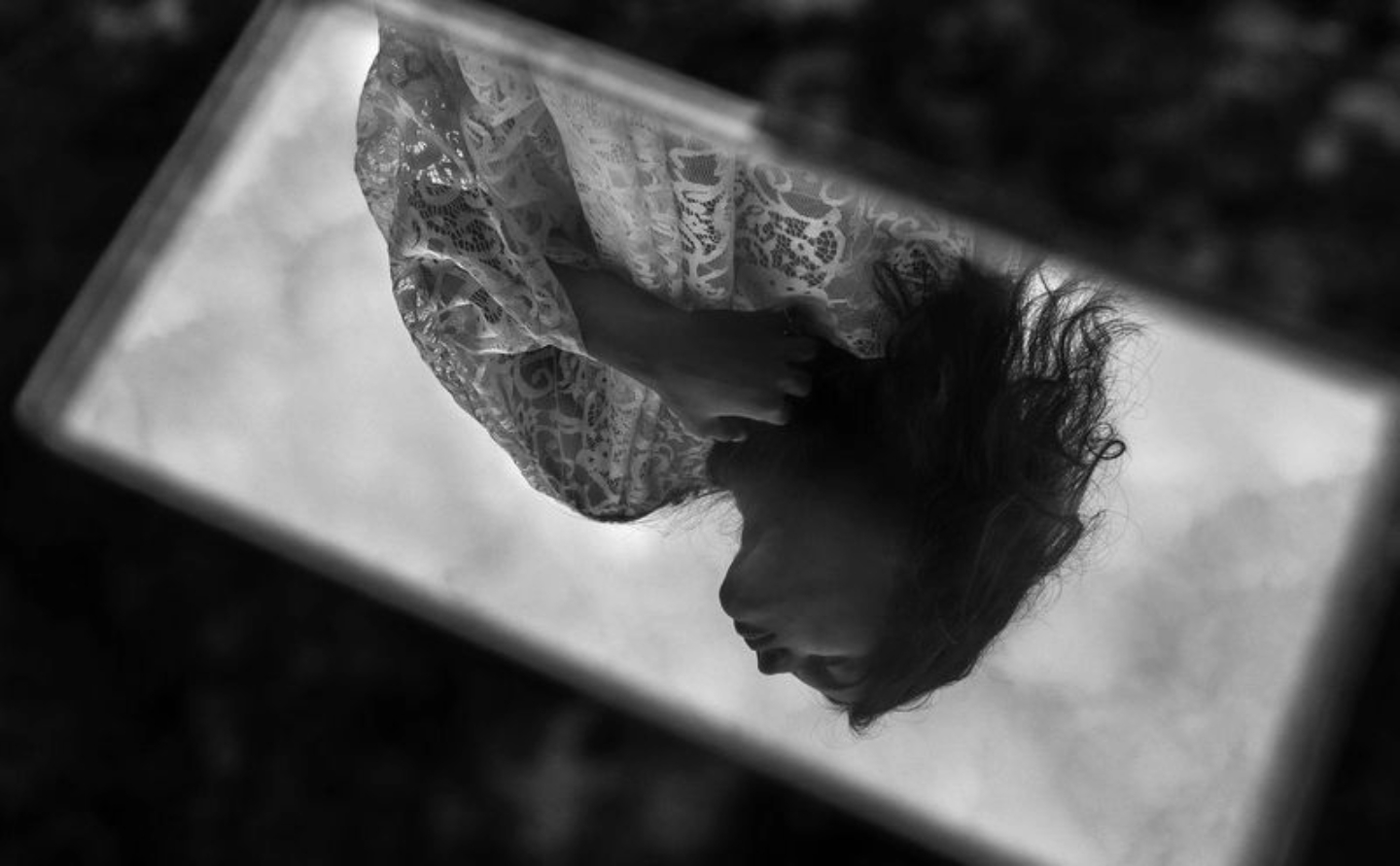
Trapped Soul by Sagar Makhecha
In the vast, tranquil landscape of the Sundarbans, the photographer captured a fleeting moment of natural simplicity. During a December excursion, a Common Sandpiper was observed navigating the mud and water, its modest presence providing a striking contrast to the expansive, untamed environment. By focusing on the bird's quiet interaction with its surroundings, the photographer highlights the beauty found in everyday wildlife encounters. This image is award-worthy for its ability to transform a candid, serene observation into a compelling visual narrative, emphasizing the unique charm and atmospheric depth of one of the world's most distinct ecosystems.
Sagar Makhecha
Based in Mumbai, India, Sagar Makhecha is a distinguished photographer with five years of professional experience specializing in commercial and portrait photography. His impressive portfolio includes collaborations with major international brands such as Sony Yay, Nykaa, and Cipla, as well as global designers from France and Canada. Recognized for his versatile aesthetic, his work has been featured in prominent international publications including Art of Portraits in Russia and Proficient in the USA.
Resonance Score Breakdown
Transparency Note: The resonance score (7.0/20) is calculated based on social engagement metrics collected before the award announcement.
Expert Photography Reviews · 9
The Weight of Small Spaces
Is it possible to be entirely free while remaining within the boundaries of a single, unyielding frame? We often equate vastness with liberty, believing that only the open sky or the endless sea can offer us a true sense of self.
Read the reflection →The Weight of the Small
Epictetus often reminded his students that we are like actors in a play, and it is not our task to choose the role, but to play the assigned part well. We are frequently preoccupied with the grand stage, the sweeping narrative, or the perceived importance of our own station.
Read the reflection →Reviews & Comments
Share your thoughts about this award-winning photograph. Your reviews contribute to the community engagement score.
The mud of the Sundarbans isn’t just a backdrop; it’s a textured, monochromatic stage that dictates the bird’s every movement. The light catches the wet silt, creating a tactile depth that makes me ache to touch the screen. The sandpiper is small, yet its isolation against that vast, rhythmic landscape tells a story of survival that a close-up would miss. It’s a quiet, haunting dialogue between a fragile life and the immense, indifferent earth. I’m truly moved.
1/640sec at f/2.8, 24mm. ISO 200. The shutter speed is overkill for a sandpiper, but it freezes the motion effectively. At f/2.8, the depth of field is thin enough to isolate the subject from the mud, which is the right call. I’ve spent enough time in the field to know how difficult that focus pull is. It’s a sharp, clinical execution. The technical choices don’t just support the narrative; they define it. It works.
The horizon line bisects the frame at a precise 1:4 ratio, anchoring the sandpiper in the lower negative quadrant. It’s a masterclass in spatial tension; the bird’s vector pulls against the vast, empty upper register, creating a perfect geometric imbalance. I’m genuinely struck by how the mud’s texture acts as a chaotic counterpoint to the bird’s singular, sharp silhouette. It’s a rigorous equation of scale where the emptiness doesn’t just exist—it defines the subject’s fragile, solitary geometry.
The sandpiper’s stride is caught mid-extension, but the shutter fired a fraction too late. The bird’s leading leg is already committed to the mud, losing that vital, weightless suspension where the tension peaks. I’ve spent my life chasing that exact millisecond of flight, and it’s frustrating to see the potential here missed by a hair. It’s a clean shot, sure, but it doesn’t capture the bird at its absolute limit. I wanted more.
The frame breathes. It’s a wide shot, 24mm, capturing the vast, indifferent silence of the Sundarbans. The sandpiper isn’t just a bird; it’s the protagonist in a scene where the cut would’ve been a mistake. I’ve spent hours watching rushes, but this stillness hits harder. It’s the shot the editor keeps because it holds the weight of the entire ecosystem. Makhecha understood the rhythm here. It’s a film that refused to move, and I’m grateful it didn’t.
The mud stretches. A gray, infinite horizon. The sandpiper is a speck, a punctuation mark in the silt. It’s small. It’s lonely. I feel a sudden, sharp ache in my chest looking at that vast, wet silence. Nothing here is accidental. The empty corner is not empty. It’s the weight of the tide, the patience of the bird. Makhecha doesn’t crowd the frame. He lets the Sundarbans breathe. It’s enough. It’s everything.
You waited in that mud, didn’t you? There’s a quiet ache in how you framed this sandpiper against the vastness of the Sundarbans. It’s not just a bird; it’s a tiny, lonely heartbeat in a place that doesn’t care if it survives. I felt a sudden, sharp stillness looking at this. You didn’t force the drama. You just let the bird exist in that emptiness. And that’s exactly where the truth lives. Good work.
The Sundarbans mud doesn’t forgive a hurried step. Sagar waited here, likely knee-deep in the silt, listening to the tide’s slow retreat. The sandpiper isn’t just a subject; it’s a heartbeat against that vast, monochromatic silence. I’ve spent enough dawns in the mangroves to know that stillness. It’s haunting. When I look at this, I feel a sudden, sharp ache for the quiet I’ve lost. He didn’t capture a bird; he caught the land breathing.
One suspects the sandpiper didn’t simply pose for a tourist’s whim. To capture such stillness in the Sundarbans, one must endure the humidity and the biting insects until the mud becomes a studio. I’ve spent enough mornings in similar muck to know the ache in the knees that precedes this shot. It’s a quiet, earned piece of work. The bird looks entirely at home, and frankly, I’m a bit jealous of the patience required.