A Tale of Lost Souls by Bartłomiej Śnierzyński
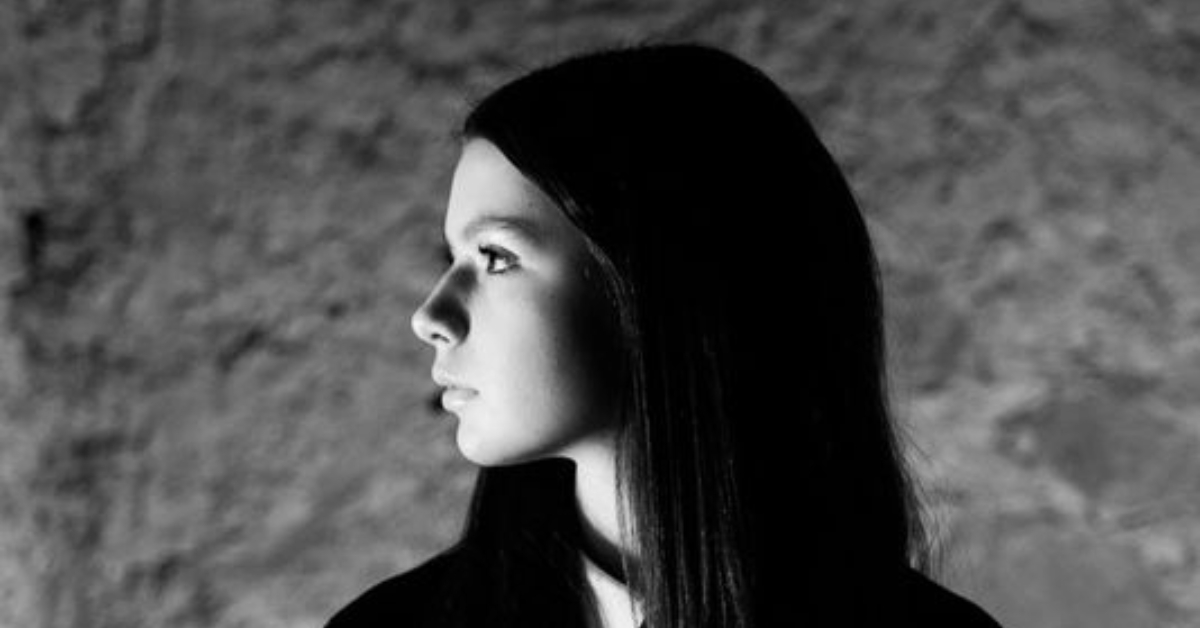
Captured during the Bożków Outdoor Sessions at the historic Rząsiny Palace, this portrait reflects the stark, atmospheric conditions of a cold February day. Bartłomiej Śnierzyński utilized a single light source to carve out the subject, allowing the natural environment to frame the narrative. The image is defined by its moody, cinematic quality and the deliberate collaboration between the photographer and the model regarding styling and makeup. Its award-worthy status stems from the masterful control of light and shadow, which transforms a simple outdoor session into a haunting, evocative exploration of character and presence.
Bartłomiej Śnierzyński
Born in 1983 and based in Saint Lazarus, Poznań, Bartłomiej Śnierzyński is a dedicated portraitist and documentary photographer. His work is defined by a profound fascination with the passage of time and the evolution of human emotion, which he captures with technical precision. Through his lens, he consistently seeks to distill the beauty and complexity of life into singular, evocative frames that resonate with international audiences.
Resonance Score Breakdown
Transparency Note: The resonance score (6.6/20) is calculated based on social engagement metrics collected before the award announcement.
Expert Photography Reviews · 7
The Architecture of Silence
Epictetus taught that we are like actors in a play, and it is not our business to choose the role, but to play the assigned part well.
Read the reflection →The Weight of Silence
We carry our histories in the lines of our faces, though we rarely speak of them. There is a particular kind of exhaustion that comes from being seen, and another, deeper kind that comes from being hidden in plain sight.
Read the reflection →Reviews & Comments
Share your thoughts about this award-winning photograph. Your reviews contribute to the community engagement score.
Rząsiny Palace offers a heavy, historical weight, yet I’m unsettled by how the subject is reduced to a gothic prop. Why does the styling feel so detached from the Polish landscape? It’s technically sharp, sure, but whose ghost are we actually chasing here? I find the artifice distracting. When we carve a person out of their environment with such clinical light, what humanity are we sacrificing for the sake of a moody, cinematic aesthetic?
You’ve pulled a haunting stillness out of that cold Polish air. I look at the way you’ve carved the subject from the shadows, and I don’t just see a portrait; I feel the weight of the silence in that palace. It’s rare to see such deliberate styling feel this raw. You waited for the light to do the heavy lifting, and it paid off. There’s something honest happening here. You really caught a ghost.
The Tamron’s glass resolves the Rząsiny chill with clinical precision, yet it’s the micro-contrast in the subject’s skin that truly arrests me. By narrowing the aperture, Śnierzyński avoids the diffraction limit, keeping the focal plane razor-thin against the encroaching shadows. I’m genuinely moved by how the light renders the texture of the fabric; it’s a haunting interplay of physics and mood. It’s rare to see a lens pushed this far into such a delicate, atmospheric silence.
It’s a haunting portrait, sure, but I can’t help but feel a cold detachment here. When I’m out in the field, I’m looking for the tension of a wild creature deciding whether to trust me. This staged, cinematic artifice feels like a performance, not a discovery. It’s polished, yet it lacks the raw, unscripted vulnerability I’ve spent my life waiting for. I’d trade all this moody lighting for one moment of genuine, unforced connection.
The cold of a February morning in Rząsiny clings to this frame. I feel the chill in my own bones, remembering how light behaves when it’s forced to negotiate with stone and shadow. He didn’t just capture a portrait; he waited for the silence to settle between the subject and the palace walls. It’s a haunting, quiet communion. I’ve stood in such stillness before, and it’s rare to see that patience so perfectly held in monochrome.
Cold air clings to the frame. The subject emerges from the dark, a singular point of tension against the void. I feel a shiver, not from the February chill, but from the stillness. It’s a quiet confrontation. Śnierzyński doesn’t crowd the space. He lets the shadows breathe. Nothing here is accidental. The empty corner is not empty. It’s a deliberate pause. A breath held in the dark. I’ve rarely seen such restraint. It’s beautiful.
f/2.8 at 50mm, 1/160s, ISO 400. A calculated choice. The shallow depth of field isolates the subject, forcing the eye away from the Rząsiny decay. It’s a tight, disciplined aperture. I’ve seen too many portraits ruined by excessive bokeh, but here, the fall-off is precise. It doesn’t hide the subject; it defines them. I’m actually impressed by the restraint. The light-to-shadow ratio is technically sound. It’s a cold, sharp argument for focus.