Japanese Neighborhood by Juarez Malavazzi
Juarez Malavazzi captures the raw, spontaneous energy of urban life through the lens of a classic Lomo LC-A. By embracing the unique aesthetic of analog film, the photographer transforms a simple walk through the streets of São Paulo into a vibrant visual narrative. The image is defined by the unmistakable freshness and character of 35mm negatives, which lend a nostalgic, candid quality to the scene. This photograph is award-worthy for its ability to elevate everyday street photography into a compelling, authentic moment, showcasing the beauty found in the unscripted interactions of city living.
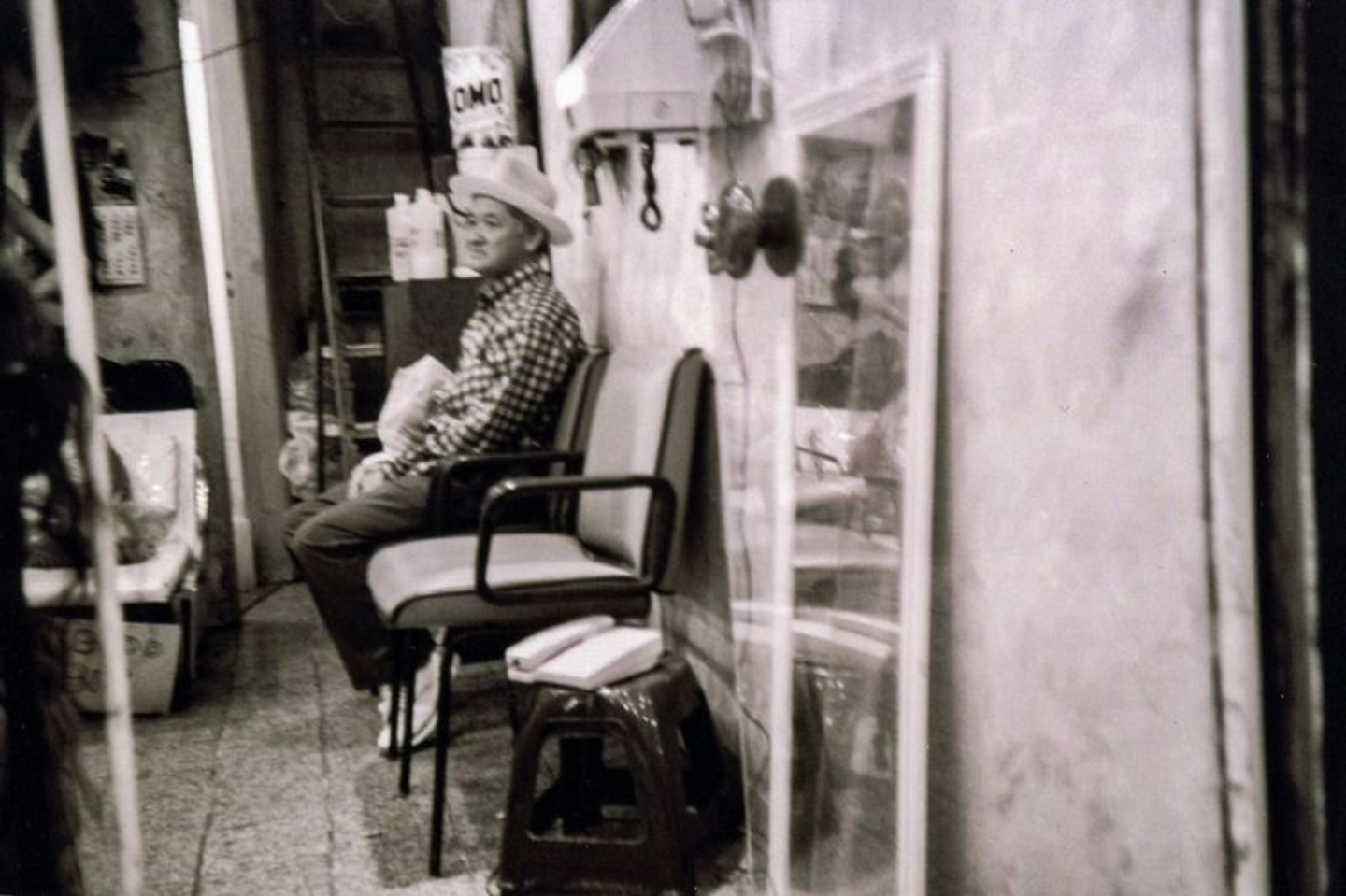
Juarez Malavazzi
Born in Brazil, Juarez Malavazzi is a self-taught photographer who brings a unique perspective shaped by his extensive background as an international model. Having worked with renowned figures in the fashion industry across Europe and the United States, he later pursued a degree in film directing from New York University. Influenced by legendary photographers such as Robert Capa and Henri Cartier-Bresson, Malavazzi now focuses his lens on the nuances of everyday city life, consistently delivering a humanist and naturalist approach to his work.
Resonance Score Breakdown
Transparency Note: The resonance score (6.6/20) is calculated based on social engagement metrics collected before the award announcement.
Expert Photography Reviews · 6
The Architecture of Echoes
We are all just temporary tenants in the houses of our own memories. We walk down streets that have seen a thousand versions of ourselves, leaving behind the faint, invisible residue of our passing.
Read the reflection →The Architecture of Belonging
Cities are often described as machines for living, but that cold, mechanical definition ignores the sediment of human history left behind by those who settle in them.
Read the reflection →Reviews & Comments
Share your thoughts about this award-winning photograph. Your reviews contribute to the community engagement score.
Shadows in this São Paulo street don’t merely fall; they colonize the frame. Malavazzi’s Lomo lens forces a claustrophobic intimacy, where the darkness isn’t an absence, but a heavy, velvet silence pressing against the concrete. It’s unsettling. I’ve stared at these deep, ink-stained corners until my own pulse slowed to match the grain. We aren’t looking at a neighborhood; we’re watching light struggle to survive against the encroaching void. It’s a beautiful, desperate act of defiance.
The light here doesn’t announce itself; it clings to the pavement, filtered through the heavy, humid air of a São Paulo afternoon. He stood in the quiet hum of the neighborhood, waiting for the shadows to lengthen just enough. It’s a candid breath of stillness amidst the urban rush. I’ve felt that same ache for the fleeting, unscripted grace of a street corner. It’s not just a frame; it’s a moment where the city finally stopped talking.
The Lomo’s vignetting collapses the street’s depth, turning the Japanese neighborhood into a claustrophobic, tactile sequence. I’m struck by how the harsh light bites into the concrete, emphasizing the solid-void relationship of the fenestration. It’s not just a snapshot; it’s a visceral reminder of how urban density feels when you’re walking through it. The frame omits the sky, forcing us to confront the datum of the street level. It’s messy, honest, and I love it.
The frame’s geometry is compromised by a lack of anchoring. While the 32mm lens provides a wide perspective, the spatial tension collapses under the weight of unaligned vertical lines. It’s a chaotic sprawl that refuses to resolve into a coherent architecture. I’ve grown weary of this casual approach to the picture plane. The negative space doesn’t breathe; it merely drifts. It’s frustrating to see such potential squandered by a refusal to discipline the frame’s edges.
Street photography isn’t a sprint, but the timing still dictates the truth. Malavazzi’s frame catches a pedestrian mid-stride, yet the heel has already struck the pavement. It’s a millisecond too late; the kinetic energy is already dissipating into the concrete. I’ve spent my life chasing that singular, weightless instant where the body hangs in space. This isn’t it. It’s a near miss. I wanted to feel that suspension, but the shutter clicked just after the peak.
1/250sec at f/8, 32mm. The Minitar lens isn’t sharp, but at f/8, it’s honest. It’s a zone-focus gamble that actually pays off here. The depth of field holds the street’s chaos in check without losing the grit. I’ve spent years loathing the Lomo aesthetic, but this technical restraint forces a clarity I didn’t expect. It’s not perfect, but it’s disciplined. For once, the gear didn’t get in the way of the frame. It’s surprisingly effective.