Stick Salad by Ali El Awji
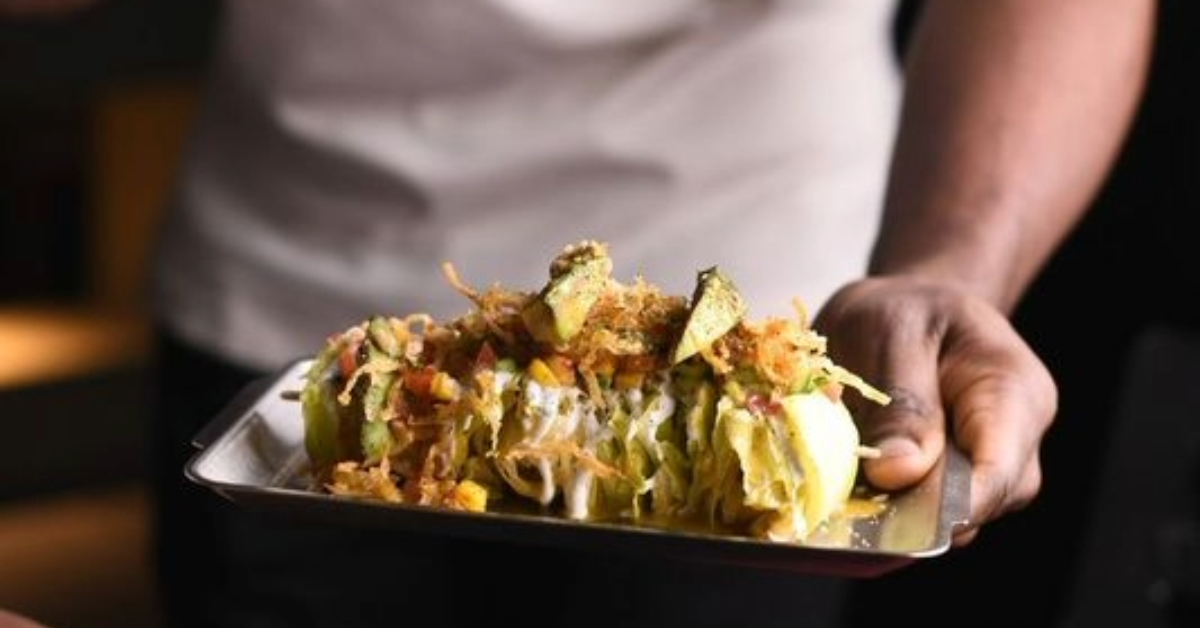
Captured on a sun-drenched afternoon at Coal, a renowned eatery in Saudi Arabia, this photograph highlights the vibrant textures and fresh ingredients of a signature BBQ stick salad. The photographer utilized natural light to accentuate the culinary artistry and creative presentation of the dish, transforming a simple meal into a visually compelling study of color and form. This image stands out for its meticulous composition and ability to elevate everyday food photography into an award-worthy display of aesthetic precision and appetite-inducing clarity.
Ali El Awji
Hailing from Saida, Lebanon, Ali El Awji is a multifaceted creative who transitioned into photography after completing a bachelor’s degree in interior design. By blending his foundational knowledge of spatial aesthetics with a keen eye for detail, he has developed a distinct style that spans portrait, landscape, and event photography. Now based in Riyadh, Saudi Arabia, he continues to push the boundaries of visual storytelling, leveraging his professional startup experience to capture evocative, high-precision imagery that resonates with international audiences.
Resonance Score Breakdown
Transparency Note: The resonance score (2.0/20) is calculated based on social engagement metrics collected before the award announcement.
Expert Photography Reviews · 4
The Geometry of Hunger
We eat to fill the hollow spaces. Often, we do not look at what is on the plate; we only look at the clock, or the wall, or the screen.
Read the reflection →The Ritual of the Table
Dear reader, I have been thinking about the way we prepare for one another. There is a quiet, sacred geometry in the act of setting a place.
Read the reflection →Reviews & Comments
Share your thoughts about this award-winning photograph. Your reviews contribute to the community engagement score.
We look at these charred skewers and we don’t just see lunch; we see the heat of a Riyadh afternoon. Ali El Awji has listened to the ingredients, letting the vibrant greens and smoky textures tell us of the hands that prepared them. It’s a quiet, rhythmic portrait of a meal. I’ve found myself hungry not just for the food, but for the story of the kitchen. It’s a photograph that asks to be returned to.
Sunlight here is a violent intruder, bleaching the salad until it screams for mercy. It’s a tragedy of clarity. Where is the mystery? By chasing the appetite, the photographer has murdered the soul of the dish. I’ve spent my life hunting for the truth hidden in the dark, but this frame is terrified of its own edges. It’s too bright, too loud, and frankly, it leaves me feeling utterly hollow. It’s just food, devoid of depth.
Sunlight hits these skewers with clinical precision, yet I feel a strange, hollow coldness. Is this Saudi culinary identity, or just a globalized aesthetic of consumption? The composition is undeniably tight, but it strips the meal of its messy, human context. Why are we so obsessed with sanitizing the act of eating? It’s technically sharp, sure, but it leaves me hungry for a story that isn’t just about the sheen on a piece of grilled meat.
The diagonal orientation of the skewers creates a rigid geometry that anchors the frame. It’s a calculated disruption of the plate’s circular boundary. The negative space surrounding the greens provides the necessary relief for the eye to navigate the textures. I’m genuinely struck by how the light doesn’t just illuminate; it defines the spatial tension. The composition holds because the weight is distributed with clinical intent. It’s a rare instance where appetite doesn’t compromise structure.