The Void in Between by Arun M Shobh
In "The Void in Between," the photographer masterfully utilizes negative space to explore themes of isolation and introspection. By positioning a boy on the frame's edge against his own reflection, the image creates a profound sense of emotional distance and self-discovery. The composition relies on the stark contrast between the subject and the vast, empty expanse, forcing the viewer to contemplate the silence within the frame. This award-worthy capture succeeds through its minimalist approach, transforming a simple spatial arrangement into a powerful visual metaphor for the internal journey of the human spirit.
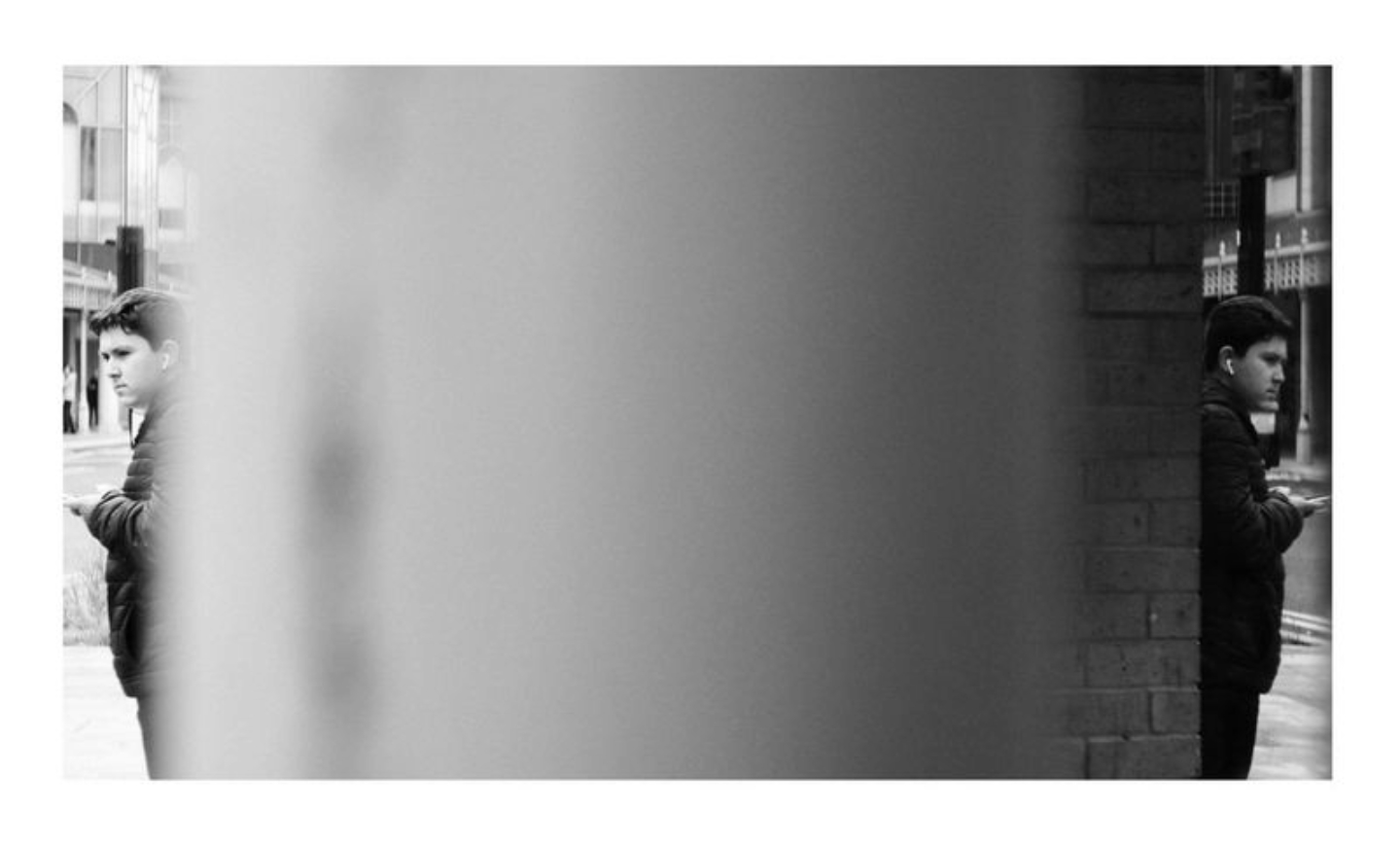
Exposure 1/1000sec @ f/3.5 | ISO 400 | Focal Length 35mm
Arun M Shobh
Based in London, Arun M Shobh is a versatile photographer recognized for his evocative street scenes and documentary work. Known professionally as the.35mmproject, he has garnered significant acclaim, including over ten Picfair Star Awards for his ability to capture the depth of human experience. His photography is characterized by a distinct narrative flair and an intimate, dynamic perspective that bridges the gap between the photographer and his subjects. Through his lens, he consistently highlights the emotional resonance found within urban life and natural landscapes.
Resonance Score Breakdown
Transparency Note: The resonance score (6.5/20) is calculated based on social engagement metrics collected before the award announcement.
Expert Photography Reviews · 5
The Mirror of the Tide
Mangrove roots do not grow straight down; they arch and loop, creating a complex, tangled lattice that traps sediment and slows the rushing water to a standstill.
Read the reflection →The Echo of Silence
I remember sitting on a wooden pier in Kerala, watching a young boy stare into the dark, still water of a backwater canal. He wasn't fishing, and he wasn't waiting for a boat. He was just watching his own reflection ripple as a dragonfly touched the surface.
Read the reflection →Reviews & Comments
Share your thoughts about this award-winning photograph. Your reviews contribute to the community engagement score.
You waited for that boy to find his own reflection in the Sundarbans, and it shows. There’s a heavy, quiet ache in how he’s pushed to the edge of the frame. I’ve spent enough time in those marshes to know the silence there isn’t empty; it’s crushing. You didn’t just take a picture of a kid; you captured the exact moment he realized he was alone. It’s honest. I felt a chill looking at it.
Before the eye identifies the boy, something in the chest tightens. It’s the silence of the Sundarbans, I think. The way he’s pushed to the edge makes me feel untethered, as if I’m losing my own center. When I return to this a year from now, I’ll still feel that cold, sharp pull of the reflection. It’s a quiet, aching activation of the nerves. I’ve never seen isolation look so much like a held breath.
It’s refreshing to see the Sundarbans rendered not as a travelogue, but as a fractured psychological space. Shobh’s choice to leave the reflection hovering in such an ambiguous, unrefined state feels closer to Sugimoto’s long-exposure theatres than conventional documentary work. I’m genuinely struck by the tension here; he’s abandoned the safety of sharp edges for something far more visceral. Why resolve the boy’s features when the blur captures his isolation so much more honestly? It’s beautifully unresolved.
The Sundarbans don’t yield such stillness to the casual tourist. One suspects Arun spent hours swatting mosquitoes in that humid silence before the boy finally settled. It’s a quiet, lonely frame that feels properly earned. I’ve spent enough mornings shivering in the mud to recognize the commitment required to strip away the clutter. It’s a rare, disciplined restraint. I find myself wishing I’d been the one standing there, waiting for the water to calm.
Most entries this year relied on clutter to hide a lack of intent. Here, the boy’s placement at the extreme edge forces us to confront the silence. It’s a brave choice; most photographers would’ve centered him, ruining the tension. I felt a genuine ache looking at that reflection—it’s the loneliness of a mirror that doesn’t quite recognize its owner. In thirty years, this study of isolation will still feel as sharp and necessary as it does today.