The Vibrant Tapestry by Saniar Rahman Rahul
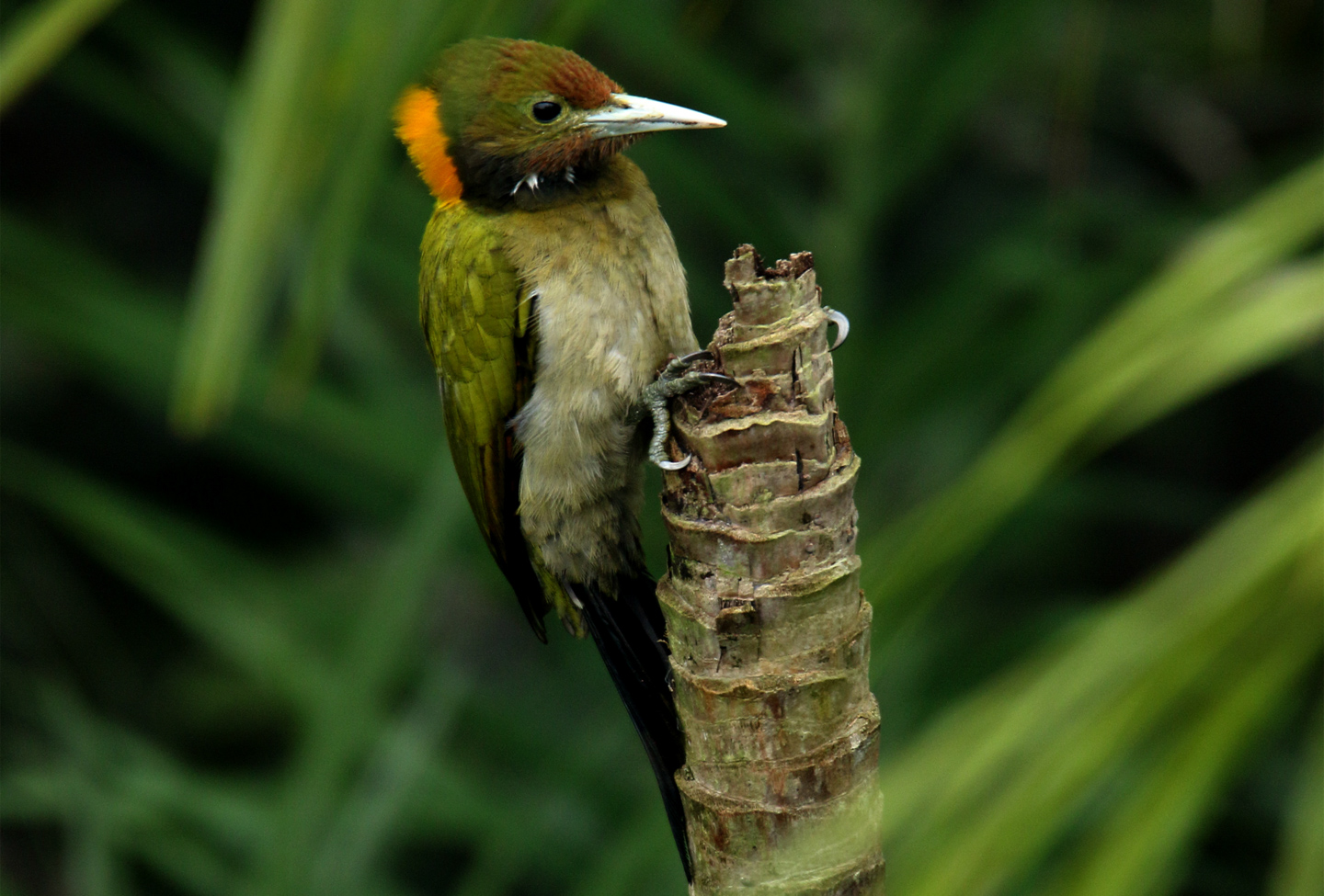
Captured in the soft morning light of the Sundarbans, this photograph showcases the Greater Yellownape perched elegantly upon a Golpata tree. The photographer masterfully utilizes the unique, trunk-less palm species of the mangrove forest to frame the avian subject, creating a harmonious visual narrative. By balancing the intricate details of the bird against the lush, deltaic backdrop, the image serves as a feathered melody within the vibrant tapestry of the ecosystem. This work is award-worthy for its technical precision and its ability to transform a fleeting moment in nature into a serene, evocative portrait of wildlife in its natural habitat.
Saniar Rahman Rahul
Based in Dhaka, Bangladesh, Saniar Rahman Rahul is an accomplished Art Director at Grey Worldwide with a career deeply rooted in the creative arts. His journey into photography began in childhood, inspired by his father, and was later revitalized through his extensive professional background in graphic design and advertising. Since winning his first major photography award in 2010, Rahul has continued to refine his craft, blending his technical expertise in pre-press media with a keen eye for the natural beauty of his surroundings.
Resonance Score Breakdown
Transparency Note: The resonance score (7.0/20) is calculated based on social engagement metrics collected before the award announcement.
Expert Photography Reviews · 3
The Quiet Architecture of Waiting
I once spent three days in a small village in the delta, sitting on a wooden porch with an old man named Haren. He didn’t talk much. He spent his mornings watching the tide pull the silt away from the roots of the mangroves, his eyes fixed on the shifting patterns of the mud.
Read the reflection →The Quietude of Green
There is a specific quality to the light that filters through dense, humid foliage—a filtered, emerald diffusion that feels less like sunshine and more like a liquid weight.
Read the reflection →Reviews & Comments
Share your thoughts about this award-winning photograph. Your reviews contribute to the community engagement score.
1/320sec at f/6.3, ISO 1000, 600mm. It’s a tight margin for a handheld 600mm shot. The shutter speed barely keeps the Greater Yellownape sharp, but the sensor noise at ISO 1000 is managed well. I’ve spent years fighting the Sundarbans’ light, and frankly, I’m impressed he pulled this off without motion blur. The aperture choice isolates the subject effectively against the Golpata. It’s a technically sound argument for patience. The gear didn’t fail him here.
Most wildlife shots are just trophies, but this one lingers. Of the thousands I’ve reviewed, it’s the way the Greater Yellownape’s crest mirrors the jagged, chaotic texture of the Golpata leaves that earns its place. It’s not just a bird; it’s a structural echo of the Sundarbans itself. I felt a genuine, quiet relief seeing it. It’s rare to find such precise geometry in the wild, and that’s why we’ll still be looking in thirty years.
The Golpata fronds create a rigid geometric cage, forcing the eye toward the avian subject. It’s a disciplined use of negative space that prevents the frame from collapsing into chaos. The vertical tension of the palm leaves anchors the bird, providing a necessary fulcrum against the chaotic mangrove backdrop. I’ve rarely seen such structural restraint in wildlife work; it’s cold, precise, and entirely effective. The composition holds because it refuses to indulge in mere sentiment.