Ready to Cook Peach Jam by Rodrigo Aliaga
In this evocative study of food photography, Rodrigo Aliaga explores the transformative power of light direction. By experimenting with various lighting setups, he discovered that backlighting best accentuates the organic curves of the fruit, imbuing the scene with a nostalgic, homemade quality reminiscent of traditional jam-making. Captured with a 70mm focal length at a shutter speed of 1/25s, the image relies on soft, deliberate illumination to create a warm, tactile atmosphere. The photograph is award-worthy for its masterful control of light, which elevates a simple culinary subject into a compelling narrative of texture, memory, and domestic comfort.
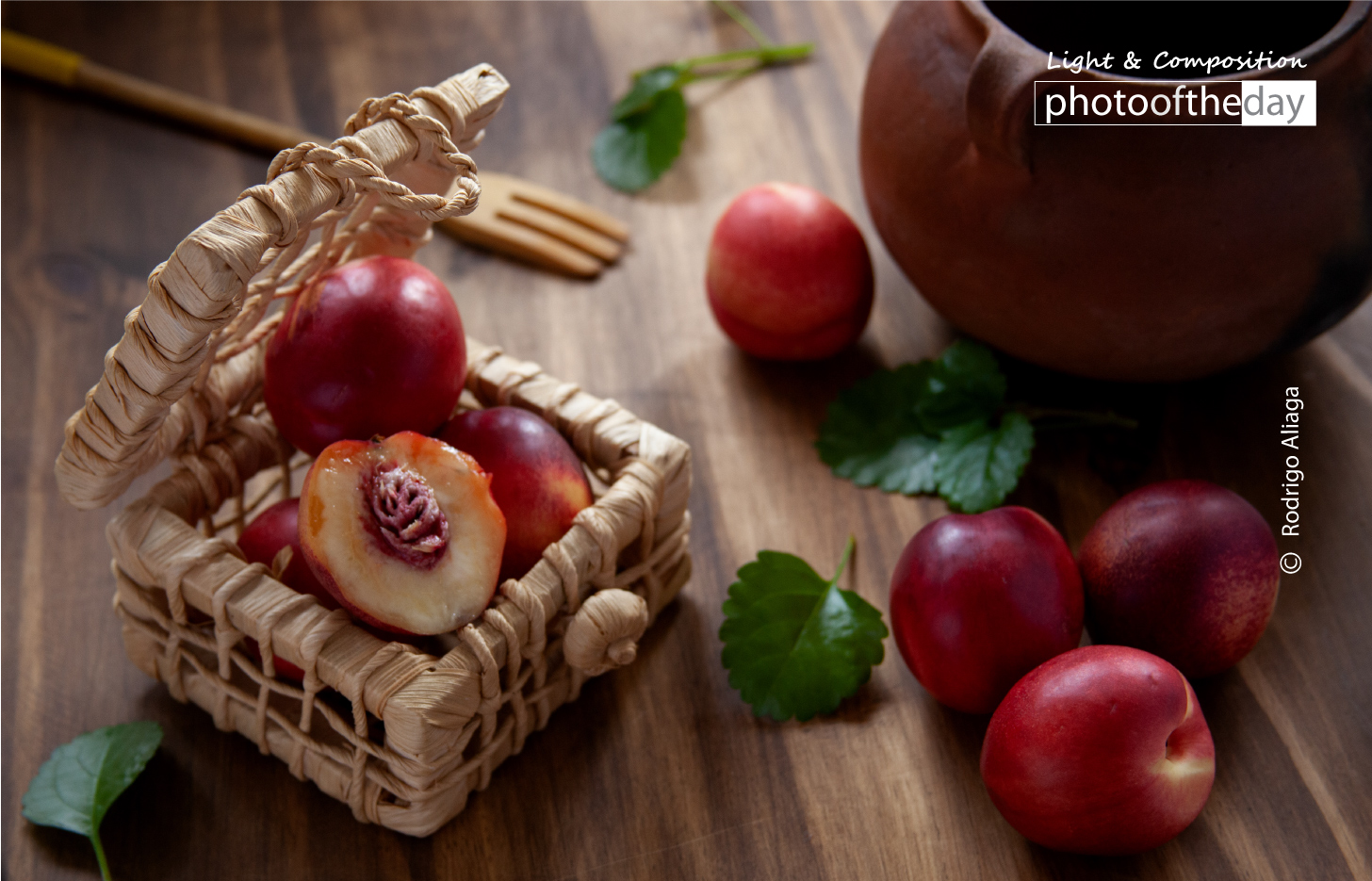
Exposure 1/25sec @ f/5.0 | ISO 800 | Focal Length 70mm
Rodrigo Aliaga
Born in La Paz, Bolivia, Rodrigo Aliaga is a professional director of photography who brings a cinematic eye to the world of still imagery. While his career is rooted in the traditional craft of film and television advertising, he has successfully transitioned his technical expertise into the digital realm. Aliaga specializes in food photography, where he seamlessly blends rigorous technical precision with creative flair to produce images that are as visually exquisite as they are evocative.
Resonance Score Breakdown
Transparency Note: The resonance score (8.4/20) is calculated based on social engagement metrics collected before the award announcement.
Expert Photography Reviews · 8
The Sweetness of Patience
I have been thinking about the way we prepare for things that take time. We live in a world that demands instant results, yet there is a quiet, ancient wisdom in the slow process of transformation.
Read the reflection →The Alchemy of Patience
Why do we insist on rushing the sweetness out of things? We live in an age that demands immediacy, treating the passage of time as an obstacle to be cleared rather than a vessel to be filled.
Read the reflection →Reviews & Comments
Share your thoughts about this award-winning photograph. Your reviews contribute to the community engagement score.

The light here is beautiful, sure, but it’s a quiet room without a soul. I’m looking for the hands that picked these peaches, the person whose kitchen this is. It’s a technically perfect still life, but it’s missing the human pulse I crave. I want to know who’s behind the jam. Without that connection, it’s just fruit on a table. I’ve spent my life chasing stories, and this one feels like it’s holding its breath.
At 1/25s, Aliaga’s peaches aren’t just fruit; they’re ghosts of a kitchen. I’m genuinely moved by how the motion blur dissolves the edges, turning domesticity into something impressionistic. It’s closer to Sugimoto’s long-exposure theatres than to the sterile, sharp food photography we usually see. Why resolve the skin when you can capture the heat? He’s chosen to let the light bleed, and frankly, it’s far more honest than any clinical, high-resolution product shot ever could be.
Backlighting peaches in La Paz? It’s a quiet, tactile study, but I’m looking for the pulse of the street. Where’s the chaos? Where’s the grit? It’s beautiful, sure, but it’s staged. I crave the tension of a Winogrand frame, not a kitchen setup. One tenth of a second later and the light might have caught a stray hand or a shadow. It’s technically sharp, but it doesn’t make my heart race. It’s just too safe.
It’s a strange shift to look at peaches instead of pulsars. Rodrigo’s 1/25s exposure captures the warmth of a kitchen, a fleeting domestic blink compared to the eons I usually track. While I’m used to managing thermal noise at high ISOs, here the light is soft, intimate, and terrestrial. I find myself craving the sweetness of that jam. It’s a quiet, grounding reminder that even in a vast universe, our small, sugary rituals matter.
At f/5.0, the focal plane is razor-thin, yet Aliaga’s choice of 70mm allows the light to refract beautifully through the peach skins. The backlighting creates a subtle diffraction at the fruit’s edge, revealing a tactile, almost microscopic fuzz that I find deeply moving. It’s a rare moment where the lens resolves the organic geometry of the jam-making process beyond what my own eyes usually register. It’s honestly quite lovely to see such physics at play.
We look at these peaches and we don’t just see fruit; we see the hands that prepared them. Rodrigo Aliaga has listened to the quiet rhythm of a La Paz kitchen. The backlighting catches the fuzz on the skin, turning simple ingredients into a memory of warmth. It’s intimate, almost sacred. I find myself wanting to pull up a chair and wait for the jam to set. It’s a portrait of domestic love, perfectly preserved.
The light here doesn’t just illuminate; it breathes through the translucent skin of the peaches. Rodrigo waited for that precise, golden backlighting to turn simple fruit into something sacred. I’ve spent enough hours watching the sun dip behind the peaks of La Paz to recognize the patience required for this glow. It’s quiet, domestic, and deeply grounding. Looking at these soft, amber curves, I can almost smell the simmering sugar. It’s a beautiful, humble act of devotion.
It’s a quiet study, isn’t it? One suspects Aliaga didn’t just stumble upon this kitchen scene. He’s waited for that specific, golden backlighting to catch the fuzz on the peaches, turning simple fruit into something tactile. I’ve spent enough mornings shivering in the Andes to appreciate the patience required to get that glow just right. It’s a warm, honest frame. He’s clearly sat with his subject until the light finally decided to behave. Well earned.