We can call it Paradise by Sonia Olmos de Castro
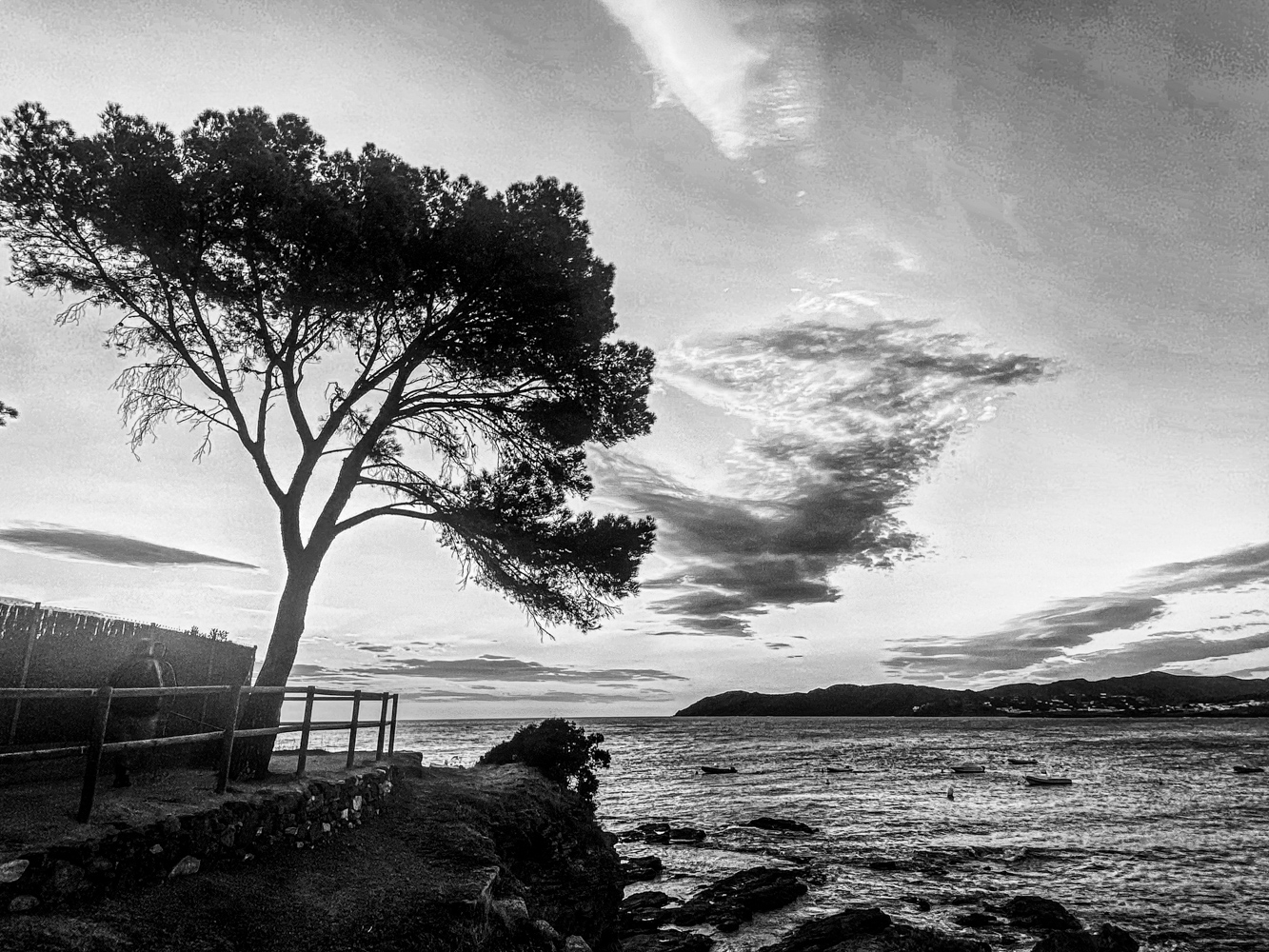
Captured during the quiet, ethereal moments just before sunrise along the Camí de Ronda in Llansà, this photograph explores the transformative power of early morning light. The photographer, a regular walker of these coastal paths, sought to document the pure magic that precedes the sun's emergence. By focusing on the subtle atmosphere rather than the direct light of the sunrise, the image evokes a sense of profound serenity. Its award-worthy quality lies in the photographer's ability to translate a fleeting, personal experience of coastal tranquility into a visual narrative that resonates with the viewer's own appreciation for nature's quietest hours.
Sonia Olmos de Castro
Born and based in Barcelona, Spain, Sonia Olmos de Castro is a graphic designer and dedicated amateur photographer. She is widely recognized for her evocative black and white collection, 'Alice in BNW Land,' which reflects her unique approach to capturing the world through her senses rather than purely technical constraints. Whether documenting her daily life in the city or her extensive travels, her work is defined by an intuitive style developed during long, contemplative walks by the sea.
Resonance Score Breakdown
Transparency Note: The resonance score (6.9/20) is calculated based on social engagement metrics collected before the award announcement.
Expert Photography Reviews · 4
The Hour Before the World Wakes
When I was seven, my grandfather would wake me before the sun touched the roof of our house in Enugu. We walked to the edge of the village in the dark, the air tasting of damp earth and cooling stone. He never spoke during these walks.
Read the reflection →Salt on the Skin
The air before dawn has a specific texture, like cool, damp linen pressed against the back of the neck. It tastes of salt and ancient stone, a sharp, clean clarity that wakes the lungs before the mind has even opened its eyes.
Read the reflection →Reviews & Comments
Share your thoughts about this award-winning photograph. Your reviews contribute to the community engagement score.
The light in Llansà is soft, but it’s missing the kinetic snap I look for. It’s a quiet scene, sure, but it feels like a runner who’s already crossed the finish line and started to slump. I’ve spent my life chasing that one millisecond of total, explosive extension. This doesn’t have it. It’s a beautiful, serene atmosphere, but it’s just a breath before the real action starts. I wanted a pulse, but I found a lull.
The iPhone’s ultra-wide distortion here isn’t a technical failure; it’s a deliberate warping of the Catalan coastline. By abandoning the crisp, clinical resolution expected of landscape work, Olmos de Castro leans into the smear of the pre-dawn atmosphere. It’s closer to Sugimoto’s long-exposure theatres than traditional travelogue. I find myself genuinely unsettled by the way the horizon dissolves. Why resolve the rocks when the blur captures the actual weight of the morning air?
The world hasn’t quite woken up yet. Standing on the Camí de Ronda, she waited for that fragile, grey light to settle over the rocks. It’s a quiet, breathless surrender. I’ve felt that same ache in my chest when the coast turns silver and still. She didn’t force the scene; she simply listened to the silence of the Mediterranean. It’s a humble, honest prayer captured on a phone, reminding us that paradise isn’t loud.
It’s easy to dismiss a phone capture, yet one senses the salt air here. Most wouldn’t bother with the Camí de Ronda at such an ungodly hour, let alone with a fixed lens. She’s clearly walked this path until the stones knew her boots. It’s quiet, restrained, and frankly, it makes me miss the chill of a pre-dawn Catalan mist. She didn’t just find this; she earned it by showing up when the world was still asleep.