Across The Railroad by Dennis Thandy
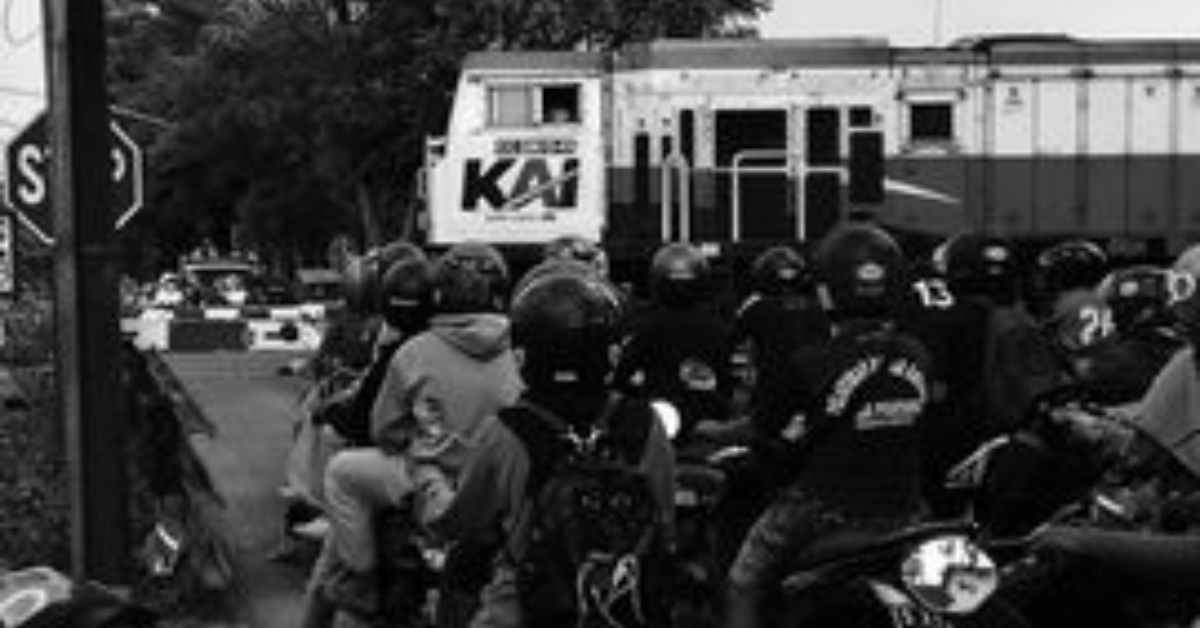
Captured just moments before a heavy rainstorm swept in from the south, this photograph documents a fleeting transition in the daily rhythm of the district. As the train departed and the gates lifted, the photographer seized the opportunity to frame the collective movement of people resuming their day. The image masterfully balances the anticipation of the weather with the mundane yet compelling human activity of crossing the tracks. It is an award-worthy study of timing and atmosphere, transforming a routine urban moment into a poignant narrative of life in motion.
Dennis Thandy
Born in Bojonegoro, East Java, Indonesia, Dennis Thandy navigated a challenging upbringing to find solace and professional success in the world of technology. As a dedicated front-end developer, he balances his digital career with a passion for photography, often turning his lens toward the world when inspiration strikes. Thandy is particularly drawn to the timeless aesthetic of black and white imagery, which he uses to capture the quiet, authentic moments of the human experience.
Resonance Score Breakdown
Transparency Note: The resonance score (8.3/20) is calculated based on social engagement metrics collected before the award announcement.
Expert Photography Reviews · 5
The Rhythm of the Rails
I remember waiting at a crossing in a small town outside of Jakarta, watching the iron gates lower with a rhythmic, mechanical groan. The air grew heavy, thick with the scent of ozone and damp earth, the kind of stillness that precedes a tropical deluge.
Read the reflection →The Weight of the Interval
My first instinct was to look away. We are conditioned to find meaning in the grand gestures, in the arrival or the departure, the high drama of a life in transition.
Read the reflection →Reviews & Comments
Share your thoughts about this award-winning photograph. Your reviews contribute to the community engagement score.
Why chase the crispness of a Nokia sensor when you can embrace the smear of a life in transit? Thandy’s motion blur here isn’t a technical failure; it’s a deliberate surrender to the rhythm of Bojonegoro. It’s closer to the kinetic energy of a Futurist painting than a standard street snap. I’m genuinely moved by what he chose not to resolve. By abandoning clarity, he’s captured the actual feeling of a storm’s approach, not just the scene.
The train’s gone, the gates rise, and the crowd surges. It’s that raw, kinetic energy I love. Thandy caught the rhythm of Bojonegoro right before the sky opened up. If he’d waited another heartbeat, the composition would’ve dissolved into chaos. Instead, he nailed the geometry of the tracks against the rush of bodies. It’s honest, gritty, and alive. I can almost feel the humidity hitting my skin. He was paying attention. That’s the game.
Most street photography is just noise, but here, the tension between the impending storm and the mundane crossing creates a rare, quiet gravity. I’ve seen thousands of train track shots, yet this one lingers because of the way the light catches the wet pavement, grounding the movement. It’s a fleeting moment that feels permanent. Honestly, it makes me miss the chaos of a real city. It’s exactly the kind of work that’ll still matter in thirty years.
You waited for the gates to lift, and I can feel the humidity pressing down on those tracks. It’s that heavy, electric air before a storm hits. You didn’t just catch a crowd moving; you caught the rhythm of a place that doesn’t stop for weather. I’ve stood in that same damp heat, and looking at this, I’m right there with them. There’s something honest happening here. You were present, and that’s everything.
1/320sec at f/1.8, ISO 100, 4.7mm. A mobile sensor pushed to its limit. The wide aperture creates a shallow plane that barely holds the tracks, yet the shutter speed is sufficient to freeze the motion of the crowd. It’s a calculated risk that pays off. I’ve spent years loathing phone optics, but the sharpness here is surprisingly honest. It doesn’t hide the grit of Bojonegoro. The technical execution is surprisingly precise. It works.