Alone by Stefania Primicerio
Captured within the stark, surreal architecture of a tunnel in the Roman suburbs, this image depicts a solitary figure navigating the vast, empty space. The photographer utilized the intense, directional light to emphasize the profound sense of isolation, choosing a high-contrast black and white palette to heighten the dramatic tension. Taken during a day of public celebration, the image serves as a poignant study of human solitude amidst the urban environment. Its award-worthy quality lies in the masterful use of geometry and light to transform a mundane transit space into a powerful, evocative narrative of the human condition.
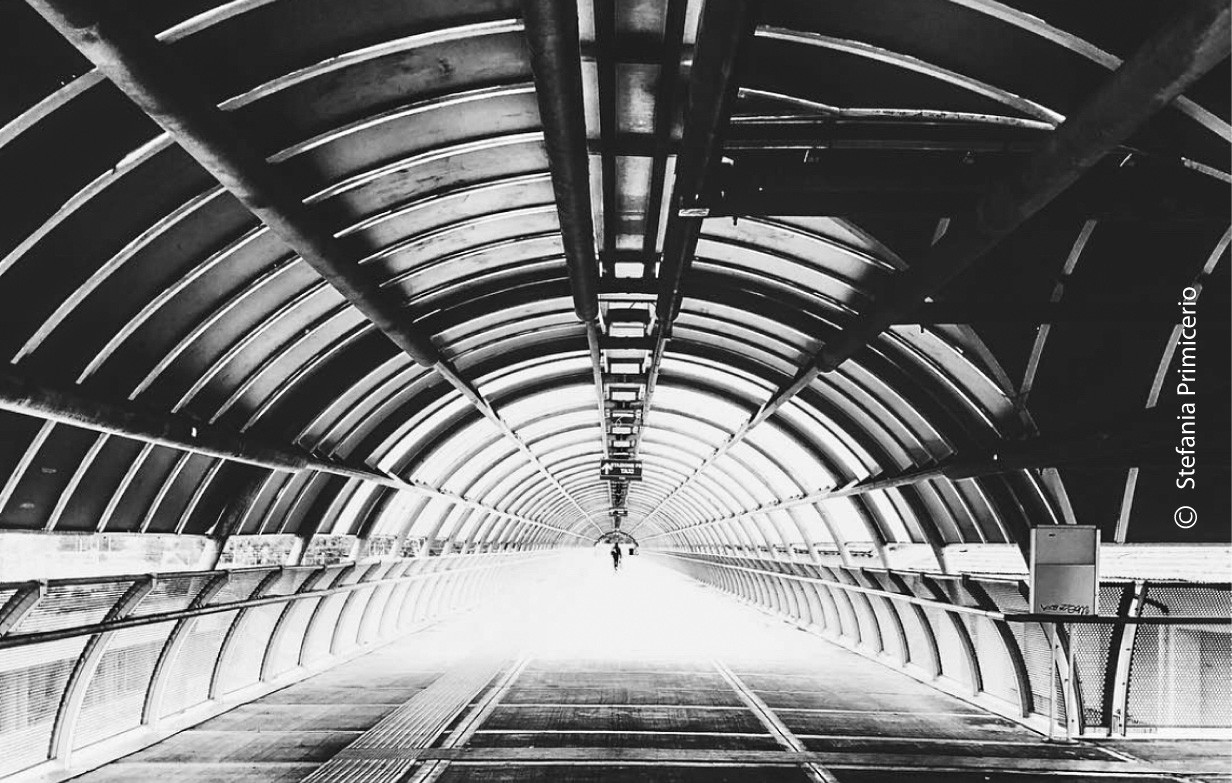
Stefania Primicerio
Born in Salerno in 1981, Stefania Primicerio is a Rome-based photographer and communication specialist with a deep passion for documenting the hidden facets of urban life. Her work frequently explores the quiet, often overlooked corners of the city, with a particular focus on street life and the presence of animals within the urban landscape. Driven by a desire to learn through global travel, she brings a thoughtful, observant perspective to her photography, consistently capturing the intersection of human emotion and architectural form.
Resonance Score Breakdown
Transparency Note: The resonance score (10.0/20) is calculated based on social engagement metrics collected before the award announcement.
Expert Photography Reviews · 7
The Weight of Echoes
I keep a small, rusted skeleton key in a velvet-lined box, though I have long since forgotten which door it once opened. It is heavy for its size, cold to the touch, and carries the faint, metallic scent of a house that no longer exists.
Read the reflection →Echoes in the Concrete Vein
There is a specific kind of silence that only exists in the transition spaces of a city—the tunnels, the underpasses, the long, hollow arteries that connect one neighborhood to the next.
Read the reflection →Reviews & Comments
Share your thoughts about this award-winning photograph. Your reviews contribute to the community engagement score.
1/420sec at f/2, ISO 25, 6mm. The iPhone 12 Pro’s sensor is tiny, yet f/2 manages to isolate the subject from the concrete geometry. It’s a clean, clinical capture. I’ve spent years staring at these tunnels, and the contrast here is actually sharp enough to make me stop and look. The shutter speed was overkill for a static figure, but it killed the motion blur. A precise, calculated execution. It works.
It’s a curious thing, finding such stillness in a Roman suburb. Most would have hurried through that tunnel, but Stefania clearly lingered until the geometry aligned and the crowd vanished. I’ve spent enough hours shivering in concrete corridors to recognize the patience required here. It isn’t just a lucky snap; it’s a quiet, disciplined triumph. I find myself wanting to walk into that frame, just to see if the silence feels as heavy as it looks.
The stride is off. The subject’s weight is caught mid-transition, heel striking just as the torso begins to collapse inward. It’s a frame too late for the peak of the movement. I’ve spent my life chasing that perfect, weightless instant where the body is fully extended, and this isn’t it. It’s technically sharp, sure, but the rhythm is broken. It’s frustrating to look at because the potential for a truly kinetic, lonely power was right there.
The tunnel swallows the figure. It’s a vast, concrete throat. I feel a sudden, sharp chill looking at the scale of that shadow. The light doesn’t reveal; it subtracts. It’s a study in Ma. The silence here is heavy, pressing against the walls. Nothing is accidental. The empty corner isn’t empty. It’s a pause that holds the weight of a city. I’ve never seen Rome feel this quiet. It’s a rare, necessary stillness.
It’s strange to look at this tunnel and not crave the blue. Without the refractive index of water to bend the light, the geometry feels brittle, almost sharp. I’m used to fighting backscatter and the relentless loss of red, but here, the light is absolute. It’s haunting. I find myself holding my breath, waiting for the current to shift. It’s a beautifully lonely space, even if it lacks the salt and the silence I know.
The tunnel’s geometry forces a rigid datum, yet the light here is what truly defines the void. By stripping away color, Primicerio emphasizes the harsh fenestration of the concrete, turning a transit corridor into a crushing weight. I’ve walked these Roman peripheries, and the sudden silence of such spaces is haunting. It’s a rare, honest capture; she doesn’t just frame the architecture, she lets the scale of the solid mass swallow the human figure whole.
The light here isn’t just illumination; it’s a heavy, rhythmic pulse against the concrete. She stood in that tunnel, waiting for the world to fall silent while Rome celebrated elsewhere. I’ve felt that same ache—the need to find stillness when everything else is loud. It’s a lonely, beautiful geometry. She didn’t just capture a figure; she listened to the shadows until they finally gave way, revealing the quiet, hollow center of our urban existence.