United Colors of World by Abhishek Asthana
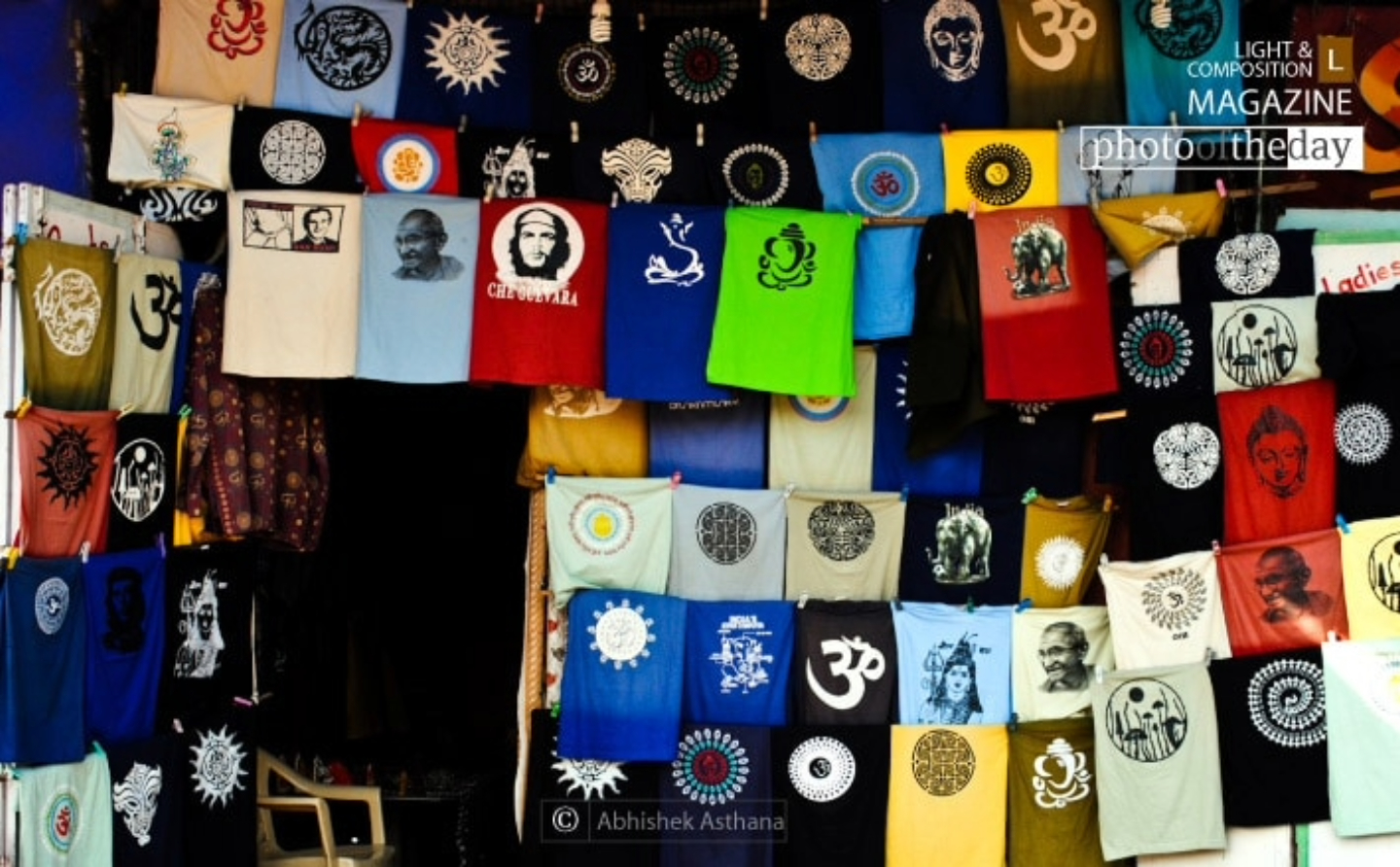
Captured in the historic village of Hampi, India, this photograph highlights the intersection of ancient heritage and modern global culture. The photographer frames a local shopkeeper against the backdrop of a UNESCO World Heritage site, focusing on the unexpected presence of a Che Guevara T-shirt—a symbol of the village's popularity among international backpackers. By documenting this juxtaposition, the image captures the evolving identity of Hampi. The award-worthy quality of the work lies in its keen observational skill, turning a casual interaction with a local merchant into a compelling narrative about tourism, cultural exchange, and the quiet, everyday stories found within legendary landscapes.
Abhishek Asthana
Based in Hyderabad, India, Abhishek Asthana balances a professional career in software development with a deep-seated passion for photography. His journey began in his school days with a manual camera, eventually evolving through film experimentation to his current digital practice. While he avoids limiting his work to a single genre, he finds his greatest inspiration in capturing the nuances of daily life, people, and the human experience. Beyond his lens, Asthana is an avid adventurer and the co-founder of DonateYourPC.in, an initiative dedicated to providing technology to schools and charities across India.
Resonance Score Breakdown
Transparency Note: The resonance score (10.2/20) is calculated based on social engagement metrics collected before the award announcement.
Expert Photography Reviews · 5
The Grafted Branch
When a parasitic vine finds a host, it does not destroy the tree immediately; instead, it weaves its own biology into the existing bark, creating a hybrid silhouette that belongs to neither the guest nor the provider.
Read the reflection →Echoes of Elsewhere
I found an old postcard tucked inside a library book this morning. It was faded, showing a beach I didn't recognize, with a message written in a language I couldn't read.
Read the reflection →Reviews & Comments
Share your thoughts about this award-winning photograph. Your reviews contribute to the community engagement score.
The shopkeeper’s posture is static, lacking the kinetic tension I look for. He’s leaning, but the weight isn’t committed to the stride. It’s a casual stance, not a peak moment of human exertion. I’ve spent my life watching bodies hit their limit, and this just doesn’t have that snap. It’s a decent observational shot, sure, but it’s missing the physiological intensity that makes a frame truly electric. I wanted more grit, more movement.
Hampi’s ancient stone masonry demands a sense of permanence, yet here, the frame feels fleeting. The shopkeeper’s Che Guevara shirt creates a jarring, modern datum against the weathered, rhythmic fenestration of the ruins. It’s a strange, dissonant layering of time. I’m struck by how the harsh Indian light flattens the depth of the stone, turning the architecture into a mere backdrop. It doesn’t capture the space’s soul, but it’s a fascinating, uncomfortable collision of worlds.
Hampi’s stone ruins demand silence, yet here, the Che Guevara print screams against the ancient grain. It’s a jarring, violent collision of ideologies. I’m unsettled by how the shadow swallows the shopkeeper’s face, leaving only that revolutionary icon to stare back at the void. It doesn’t feel like cultural exchange; it feels like an erasure. We’ve traded the weight of history for a cheap, cotton ghost. I find myself mourning the light that couldn’t save him.
The ochre dust of Hampi, that sun-baked pigment reminiscent of a Morandi still life, clashes violently with the revolutionary crimson of that T-shirt, creating a chromatic dissonance that’s frankly intoxicating. It’s a jarring, beautiful quarrel between the ancient, weathered stone and the saturated, modern political icon. I’m utterly breathless at how the light catches the shopkeeper’s skin, grounding this global collision in a tactile, earthy warmth that feels, quite simply, like the pulse of history itself.
Hampi’s ancient stone, rendered with the D3000’s modest sensor, evokes the stark textures of early ethnographic surveys, yet that Che Guevara print disrupts the frame with jarring, postmodern irony. It’s a collision of eras I’ve seen echoed in the street work of Robert Frank, though here the cultural dissonance feels sharper. I’m genuinely struck by how the shopkeeper’s gaze anchors this globalized kitsch. It’s a clever, if slightly weary, dialogue between heritage and the backpacker trail.