A Remarkable Skill by Ryszard Wierzbicki
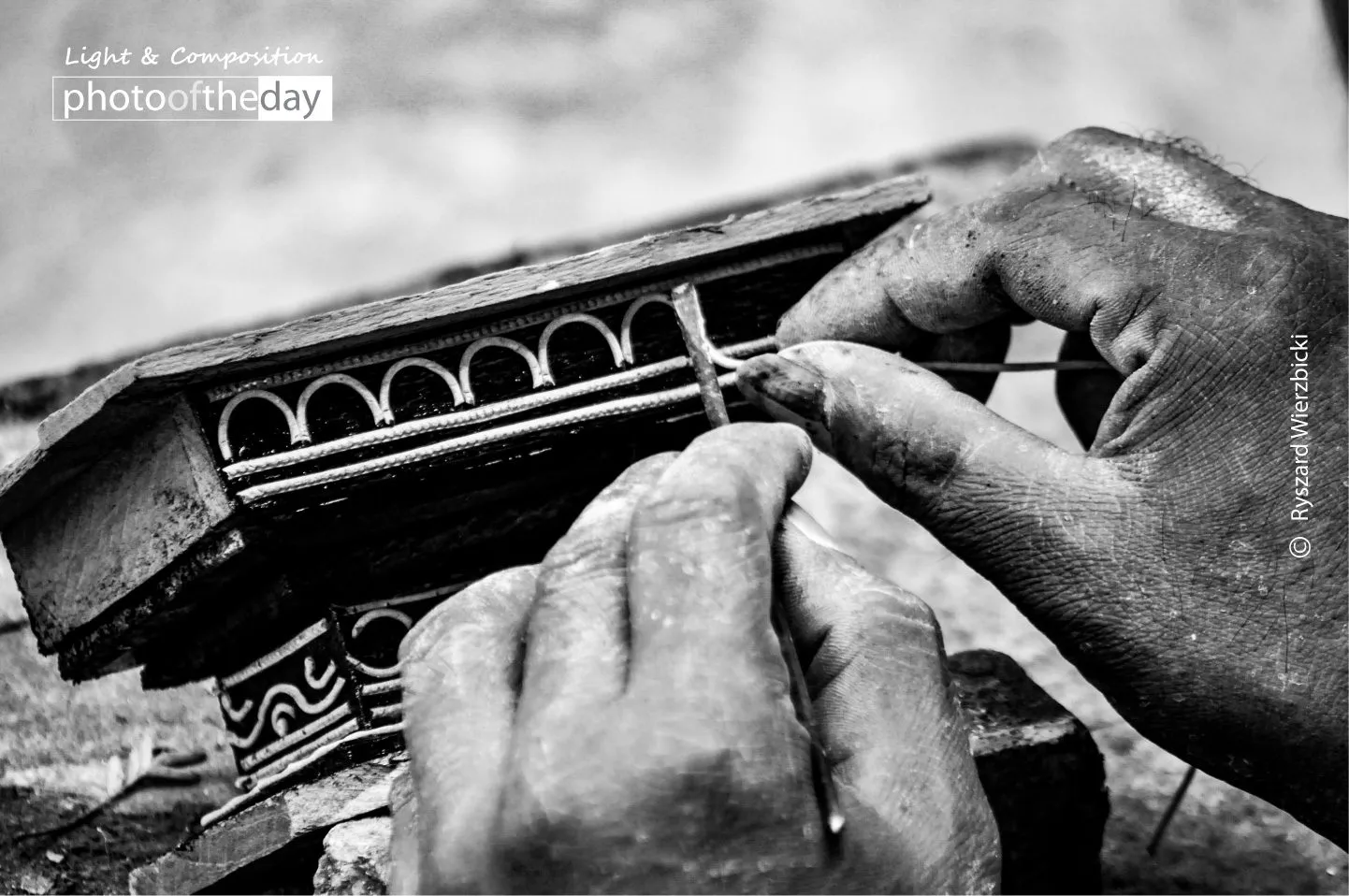
Captured in the historic region of Mrauk U along the Kaladan River, this photograph highlights the intricate artistry of Burmese handicrafts. The image serves as a poignant tribute to the local artisans whose manual skills provide both a vital income and a cultural legacy. By focusing on the texture and detail of these ethnic products, the photographer underscores the significance of supporting local communities through sustainable tourism. This work is award-worthy for its ability to transform a simple souvenir into a compelling narrative of human resilience, craftsmanship, and the profound connection between the traveler and the local tradition.
Ryszard Wierzbicki
Born in 1963, Ryszard Wierzbicki is a Polish-born photographer and educator who transitioned from a career in social sciences and marketing to a life of global exploration. After relocating to the United Kingdom in 2006, he dedicated himself to documenting the cultures of South-East Asia, often blending his photography with humanitarian volunteer work for orphanages. As a seasoned traveler and PADI scuba instructor, Wierzbicki utilizes his diverse professional background to capture authentic human stories, managing his own travel and photography initiatives while advocating for the communities he visits.
Resonance Score Breakdown
Transparency Note: The resonance score (9.7/20) is calculated based on social engagement metrics collected before the award announcement.
Expert Photography Reviews · 8
The Echo of Hands
There is a quiet language in the things we make with our own hands. When we shape wood or weave fiber, we are not merely creating an object; we are transferring a portion of our own time into a physical form.
Read the reflection →The Weave of Time
We often forget that everything we touch was once a wild thing, tamed by the slow, rhythmic patience of human hands.
Read the reflection →Reviews & Comments
Share your thoughts about this award-winning photograph. Your reviews contribute to the community engagement score.
You’ve captured the grain of the wood and the weave of the fiber with real care. It’s quiet, but I can feel the weight of the hands that made this. I’ve spent enough time in Mrauk U to know that these objects aren’t just souvenirs; they’re survival. And you didn’t just document a craft. You respected the person behind it. There’s something honest happening here. You waited for the light to tell the truth.
The light here isn’t forced; it’s a soft, diffused glow that breathes life into the woven fibers. Wierzbicki didn’t rush. He stood in the quiet humidity of Mrauk U, waiting for the shadows to settle just so against the bamboo. It’s a humble, tactile stillness that makes me ache for the river’s slow rhythm. I’ve felt that same heavy, sacred silence before. He didn’t just capture a craft; he listened to the hands that made it.
It’s a shame the jury obsessed over clarity here. By chasing the texture of these handicrafts, the work loses the ghost of the Kaladan River’s motion. I’d have preferred a long exposure that dissolved the artisan’s hands into a blur of pure labor. Why resolve the weave so clinically? It’s technically competent, sure, but it feels safe. I’m left craving the intentional imprecision that actually captures the spirit of a place, rather than just its inventory.
One suspects the light here was caught in a fleeting, lucky window. It’s a tidy composition, certainly, but I’m left wondering if the photographer spent more than an hour on the riverbank. The textures are sharp, yet they lack the grit of a long, uncomfortable vigil. I’ve spent days waiting for such light to settle on a subject. It’s a pleasant enough souvenir, but it doesn’t quite feel earned. It’s just a bit too convenient.
Most entries in this category rely on romanticized travel tropes, but Wierzbicki avoids that trap. By isolating the weave and grain of these handicrafts against the river’s muted backdrop, he forces us to confront the labor behind the object. It’s a quiet, tactile study that makes me miss the tangible world. While others chase grand vistas, this focus on the artisan’s hands ensures it’ll remain relevant long after the tourism trends of 2020 have faded into history.
The woven textures of these baskets create a rhythmic, tactile landscape that anchors the artisan’s world. I’m mesmerized by how the soft, directional light catches the bamboo fibers, revealing a lifetime of patient labor. When we finally reach the hands, they aren’t just tools; they’re the living extension of this craft. It’s a beautiful dialogue between the maker and the material. I find myself wanting to reach out and feel the grain of that wood.
The weave of the basket meets the shadow. It’s a quiet geometry. I’ve spent minutes watching the light settle into the gaps of the rattan. There’s a stillness here that pulls at my chest. It doesn’t demand attention. It waits. Nothing here is accidental. The empty corner is not empty. It’s a breath held in the heat of Mrauk U. I find myself wanting to touch the grain. It’s enough.
The artisan’s hands are frozen mid-weave, but the tension in the fingers is missing. It’s a static study of craft, yet I’m searching for the kinetic snap of the reed against the frame. It’s too posed. I’ve spent my life chasing the millisecond where muscle meets absolute resistance; here, the rhythm is flat. It’s technically clean, sure, but it doesn’t capture the exertion of the work. I wanted to see the strain, not just the object.