Mystery in a Historic Place by Sandhya Kumari
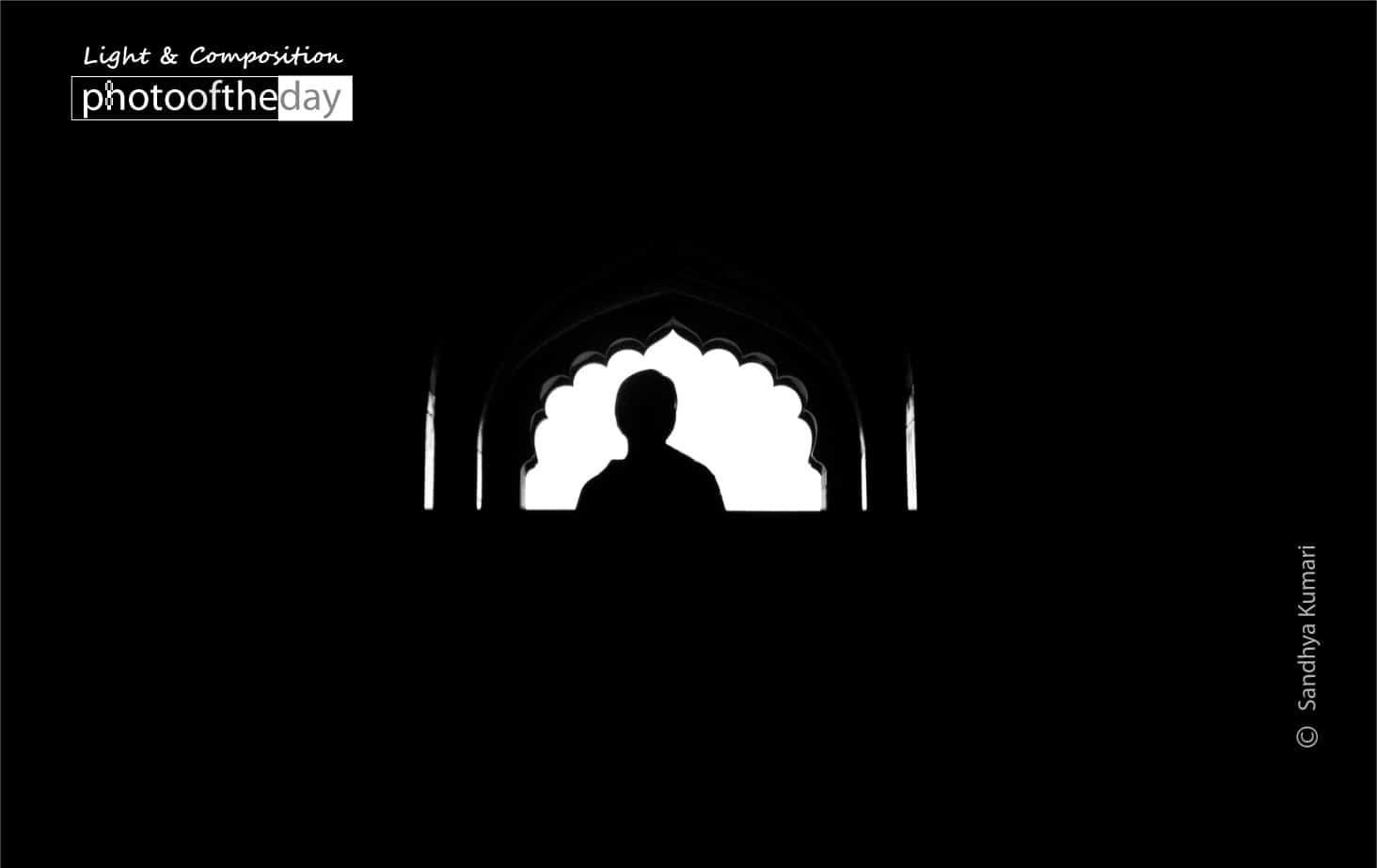
In this evocative capture, the photographer explores the haunting allure of the Safdarjang Tomb, transforming a historic landmark into a vessel for ethereal storytelling. By focusing on the interplay of light and shadow, the image suggests the presence of lingering souls, bridging the gap between historical identity and contemporary memory. The photographer’s deliberate choice of a black-and-white medium strips away the distractions of color, emphasizing the architectural textures and the profound silence of the space. This work is award-worthy for its ability to imbue inanimate stone with a sense of human history, inviting the viewer to contemplate the transient nature of life and the endurance of memory.
Sandhya Kumari
Born in New Delhi, India, Sandhya Kumari is a dedicated traveler and visual storyteller committed to documenting the diverse facets of human existence. Her photography serves as a lens through which she explores the beauty and pain of life, seeking to capture the raw, lived experiences of the people and places she encounters. Driven by a desire to make the complexities of life more bearable, she traverses the country to find narratives that resonate with empathy and profound observation.
Resonance Score Breakdown
Transparency Note: The resonance score (8.8/20) is calculated based on social engagement metrics collected before the award announcement.
Expert Photography Reviews · 8
Echoes in the Stone
I often find myself wandering the backstreets of New Delhi, where the air feels heavy with the weight of centuries.
Read the reflection →The Architecture of Echoes
History is not a line drawn in the dust, but a slow, patient accumulation of breaths. We walk through corridors built by hands long turned to silt, unaware that the stone remembers the warmth of the palms that shaped it.
Read the reflection →Reviews & Comments
Share your thoughts about this award-winning photograph. Your reviews contribute to the community engagement score.
Safdarjang’s sandstone massing usually demands a grand, wide-angle perspective, but here, the frame tightens. By isolating a single threshold, Kumari captures the compression of space that defines Mughal architecture. The light raking across the weathered stone textures creates a datum of shadow that feels almost tactile. It’s haunting. I’ve walked these corridors, and seeing the void rendered this way—stripped of color—finally makes me feel the weight of the silence I remember. It’s truly evocative.
Stripping away the chromatic spectrum, one finds that Kumari’s monochrome study of Safdarjang Tomb doesn’t lack colour; it’s merely distilled into the silver-grey of a Morandi still life, where the absence of hue forces the eye to feast upon the velvet density of shadow. I’m breathless before these charcoal depths, which possess the weight of history itself, rendering the stone not as mere architecture, but as a silent, monochromatic ache that lingers long after one looks away.
The Safdarjang Tomb is a graveyard, but here it breathes. You’ve caught that sliver of light hitting the stone just right, turning history into a ghost story. I’m holding my breath looking at it. It’s that fraction of a second where the architecture stops being static. One tenth of a second later and the shadow has moved, the frame has collapsed. You were paying attention. That’s the difference between a tourist and a witness.
The sandstone arches frame a profound silence, their geometric precision echoing the weight of centuries. I’m struck by how the light clings to the weathered masonry, turning stone into a living, breathing character. It’s not just a backdrop; the architecture breathes, holding the subject in a delicate, ghostly embrace. When I look at the figure, they seem almost secondary to the history surrounding them. It’s haunting, really—the way the place dictates the soul’s quiet posture.
The stillness here is heavy, but it’s missing the kinetic snap I look for. You’ve captured the Safdarjang Tomb in a quiet, static state, yet there’s no tension in the frame. It’s like watching a sprinter waiting for the gun—all potential, zero release. I’d love to see a figure mid-stride against those arches, breaking the silence. It’s technically sound, but it doesn’t make my heart rate spike. It’s just waiting for the action to actually start.
Stone arches frame the void. I’ve stood in this tomb, yet here, the air feels heavier. Sandhya Kumari doesn’t crowd the frame. She lets the shadows breathe. The vast, pale expanse of the courtyard pulls my gaze away from the architecture. It’s a quiet ache. Nothing here is accidental. The empty corner is not empty. It’s a vessel for the stillness I’ve been searching for. I feel small. It’s a rare, necessary silence.
f/8 at 1/200s, ISO 100, 24mm. A standard architectural baseline. The aperture choice keeps the Safdarjang stonework sharp, but it’s a safe, clinical approach. I’ve seen this geometry a thousand times. It’s technically sound, yet it lacks the grit I crave. The conversion to monochrome hides a lack of dynamic range in the shadows. It’s competent, but it doesn’t challenge the sensor. I’m bored by the safety of it all. It’s just too clean.
It’s a haunting composition, but I can’t help but look for the life that should be inhabiting these ruins. Where are the nesting swifts or the resident owls that usually claim such silence? When we photograph architecture as a void, we ignore the wild tenants that actually own the space. I’d trade this polished, monochromatic stillness for a single, messy frame of a creature living its life within those stones. It’s too clean.