Reflection and Synchronization by Somayeh Mastanishirazi
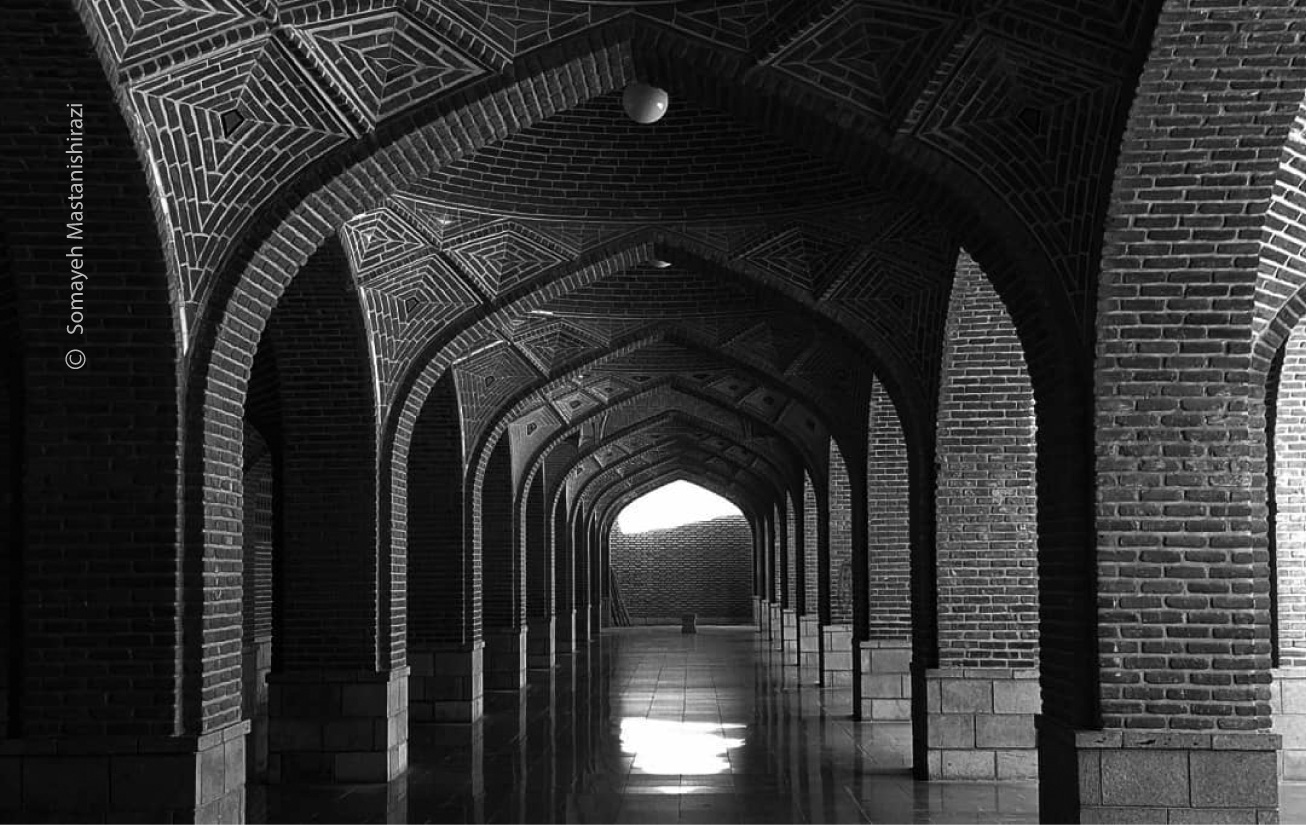
Captured at the historic Blue Mosque in Tabriz, this image explores the profound interplay between human life and architectural endurance. As the photographer’s family moved around the site, she was struck by the silent, rhythmic history embedded in the building’s walls, realizing that the cycles of her own life were merely a reflection of the past. By synchronizing the fleeting energy of her children with the timeless geometry of the mosque, the photographer creates a poignant narrative on the repetition of history. The image is award-worthy for its ability to transform a personal family moment into a universal meditation on time and existence.
Somayeh Mastanishirazi
Based in Amol, Iran, Somayeh Mastanishirazi is a dedicated photographer who views every day as a new opportunity to refine her craft. Balancing the demands of motherhood with her artistic pursuits, she began her photographic journey by documenting the lives of her two daughters. Though she works with non-professional equipment, her work is defined by a deep, soulful commitment to authenticity and a desire to capture the raw, unvarnished reality of the world around her.
Resonance Score Breakdown
Transparency Note: The resonance score (11.6/20) is calculated based on social engagement metrics collected before the award announcement.
Expert Photography Reviews · 5
The Echo of Geometry
In the study of ancient architecture, one often finds that the builders were not merely stacking stone upon stone, but attempting to map the heavens onto the earth.
Read the reflection →Echoes in the Stone
I remember sitting in a quiet courtyard in Fez, watching a young boy chase a pigeon across the tiles. He was running with such frantic, singular purpose, his laughter bouncing off walls that had stood for centuries.
Read the reflection →Reviews & Comments
Share your thoughts about this award-winning photograph. Your reviews contribute to the community engagement score.
Blue tiles stretch into shadow. The geometry doesn’t demand attention; it waits. I’ve watched these walls for years, but here, the stillness feels different. A child’s blur against the tile. A fleeting pulse in a permanent room. It’s a quiet collision of eras. I felt my own breath catch, watching the rhythm of the past hold the present so gently. Nothing here is accidental. The empty corner is not empty. It’s a pause. A deep, resonant breath.
Most entries in this category rely on the mosque’s grandeur to do the heavy lifting. What separates this from the pack is the tension between the static, ancient tilework and the blurred, kinetic energy of the children. It’s a rare, honest collision of eras. I’ll admit, seeing those small figures darting against such heavy history actually made me catch my breath. It’s not just a snapshot; it’s a quiet argument that we are merely passing through.
The Blue Mosque’s geometry demands precision, and here, the timing hits. You’ve caught the children in a rhythm that mirrors the ancient tiles. It’s that rare, fleeting alignment where the architecture stops being a backdrop and starts breathing. One tenth of a second later and the shadow has moved, the frame has collapsed. I’m genuinely moved by how you held your breath for this. It’s not just a family snapshot; it’s a heartbeat caught in stone.
The geometry of the Blue Mosque’s arch provides a rigid anchor, yet the composition suffers from a lack of decisive alignment. The figures don’t quite resolve the spatial tension; they drift, failing to activate the negative space effectively. It’s frustrating. The frame demands a tighter fulcrum to balance the weight of the tile work against the human movement. Without that structural discipline, the narrative remains soft. It doesn’t hold the eye as it should.
The Blue Mosque’s geometry doesn’t merely house these figures; it consumes them. In the deep, bruised indigo of the shadows, I feel a sudden, cold vertigo—the realization that we are ghosts haunting our own architecture. Mastanishirazi hasn’t just captured a family; she’s trapped their fleeting vitality against the crushing weight of stone. It’s a brutal, necessary collision. When the light fails to penetrate those corners, the silence finally begins to think. It’s haunting, truly.