Light and Darkness by Shirren Lim
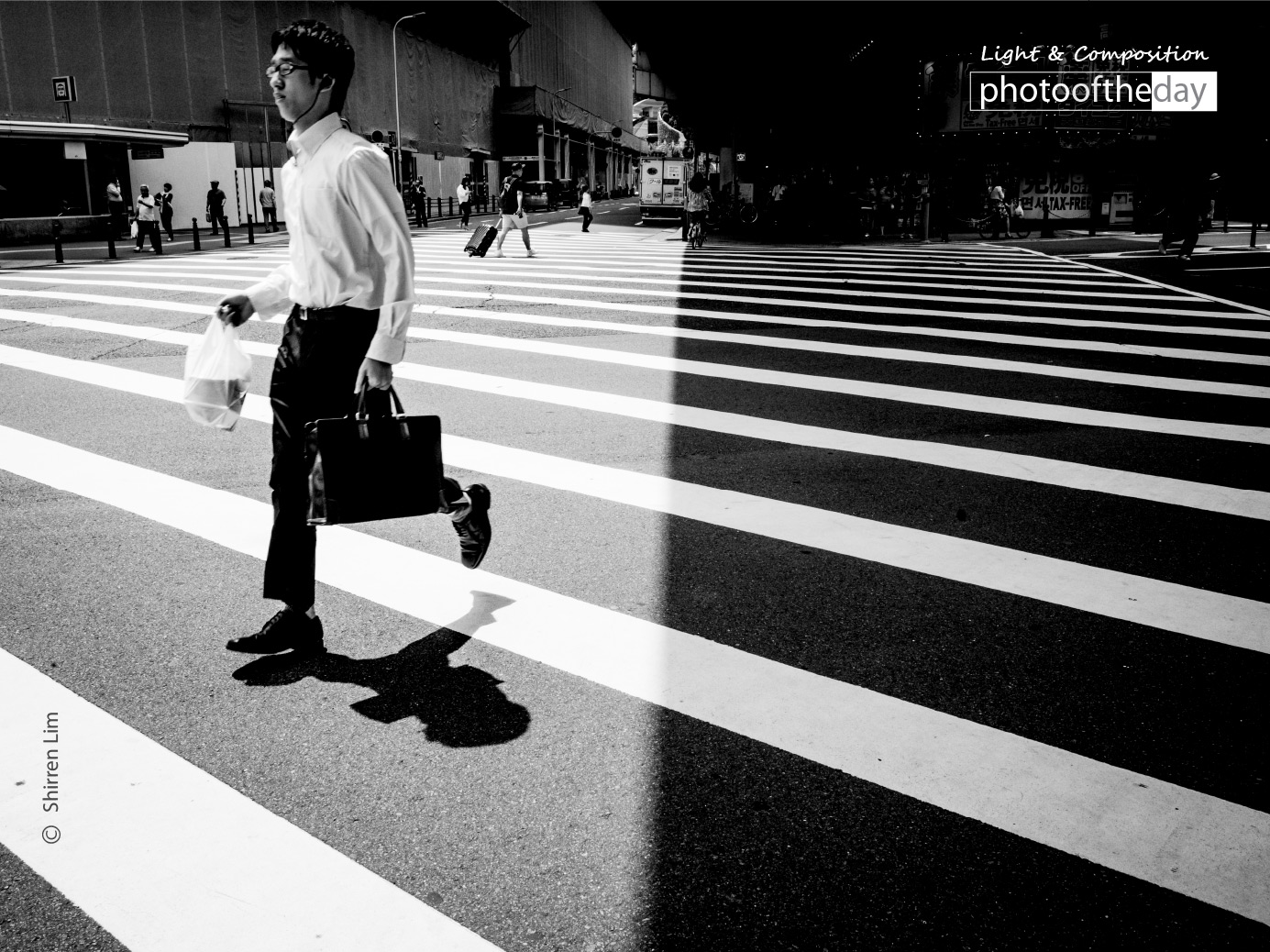
In the bustling Namba crossroads of Osaka, Japan, the photographer sought to capture the interplay of light and shadow that defines urban movement. By rising early each morning, the photographer waited patiently for the perfect conditions, eventually finding a moment where the sun divided the scene in half, with a highway overpass casting a dramatic, grounding shadow. This image is award-worthy for its masterful use of natural light and geometric composition, transforming a mundane transit point into a compelling study of contrast. The photographer’s dedication to waiting for the right atmospheric shift highlights a keen eye for street photography that elevates the everyday experience into a striking visual narrative.
Shirren Lim
Born on Penang Island, Malaysia, in 1970, Shirren Lim eventually settled in Jakarta, Indonesia, where she developed her profound passion for photography. Since picking up the camera in 2009, she has focused on capturing the raw sincerity of human expression, often producing work described as intense and earthy. Deeply inspired by the iconic portraiture of Steve McCurry, Lim strives to create images that resonate with the same emotional depth and global impact, aiming to document the human experience through simple, heart-centered compositions.
Resonance Score Breakdown
Transparency Note: The resonance score (12.0/20) is calculated based on social engagement metrics collected before the award announcement.
Expert Photography Reviews · 7
The Architecture of the Divide
Can a line truly separate two worlds, or does it merely define the boundary where one begins to bleed into the other? We spend our lives obsessed with edges—the threshold of a room, the border of a country, the thin veil between what we reveal and what we keep hidden.
Read the reflection →The Geometry of Being
I remember sitting in a cafe in Kyoto, watching a salaryman adjust his tie before stepping out into the blinding midday sun. He paused for a second at the threshold, caught between the cool, dim sanctuary of the shop and the frantic, sun-drenched pavement outside.
Read the reflection →Reviews & Comments
Share your thoughts about this award-winning photograph. Your reviews contribute to the community engagement score.
Before the eye identifies the Namba crossroads, something in the chest tightens. The sharp division of light and shadow doesn’t just frame Osaka; it forces a physiological stillness. I feel a sudden, cold isolation looking at that overpass, as if I’m the one waiting in the dark. It’s a haunting geometry. When I return to it, the silence feels heavier, a reminder of how easily we disappear into the architecture of our own transit.
The Namba crossroads freezes. It’s a perfect split-screen, the highway overpass slicing the frame into a binary of harsh sun and deep, grounding shadow. I’ve spent hours waiting for light to behave like this; it’s a rare, cinematic gift. The rhythm here is locked. It doesn’t need a cut because the tension is already holding its breath. Honestly, I’d kill to have captured that specific geometry. It’s the frame the editor keeps forever.
f/8 at 1/250s, ISO 200, 35mm. A sensible choice. The aperture provides enough depth to keep the Namba concrete sharp without introducing diffraction. The shutter speed freezes the motion, yet it’s the contrast that demands attention. I’ve spent hours in Osaka waiting for that specific light; it’s a brutal, unforgiving geometry. Lim didn’t waste the sensor’s dynamic range. It’s technically sound, precise, and frankly, it’s the only way to shoot this scene correctly.
In the Namba crossroads, we see a city divided. Shirren Lim didn’t just wait for the sun; she listened to the rhythm of Osaka’s transit. The shadow acts as a silent interlocutor, cutting through the rush. It’s a portrait of a place that’s forgotten how to breathe. I find myself shivering at the cold geometry of it all. We aren’t just looking at light; we’re watching the city’s pulse pause, waiting for someone to finally speak.
Osaka’s Namba crossroads usually feels like a chaotic blur, but Lim’s frame forces a stillness I rarely find there. The highway overpass acts as a brutal datum, slicing the scene to emphasize the tension between solid mass and the void below. It’s a sharp study of fenestration and shadow, yet I can’t help but miss the human pulse of the street. Still, the way that light hits the concrete—it’s honestly quite breathtaking.
Osaka’s Namba crossroads is a chaotic, soul-crushing place to stand still. Most would have snapped a frame and fled to the nearest coffee shop. Lim didn’t. She stayed until the overpass shadow sliced the scene with surgical precision. It’s a rare bit of discipline in an age of frantic shutter-clicking. I’ve spent enough mornings shivering on street corners to recognize the ache in those legs. She earned this light. It’s a damn fine piece of work.
You waited for that shadow to slice the Namba crossroads, and it’s a sharp, clean cut. I’ve spent enough mornings on street corners to know that patience isn’t just about light; it’s about wanting to see the world hold its breath. And you caught it. It’s quiet, almost lonely, despite the urban rush. I felt a sudden, strange stillness looking at this. You didn’t just frame a transit point; you found the human solitude inside it.