A Play of Colors by Ryszard Wierzbicki
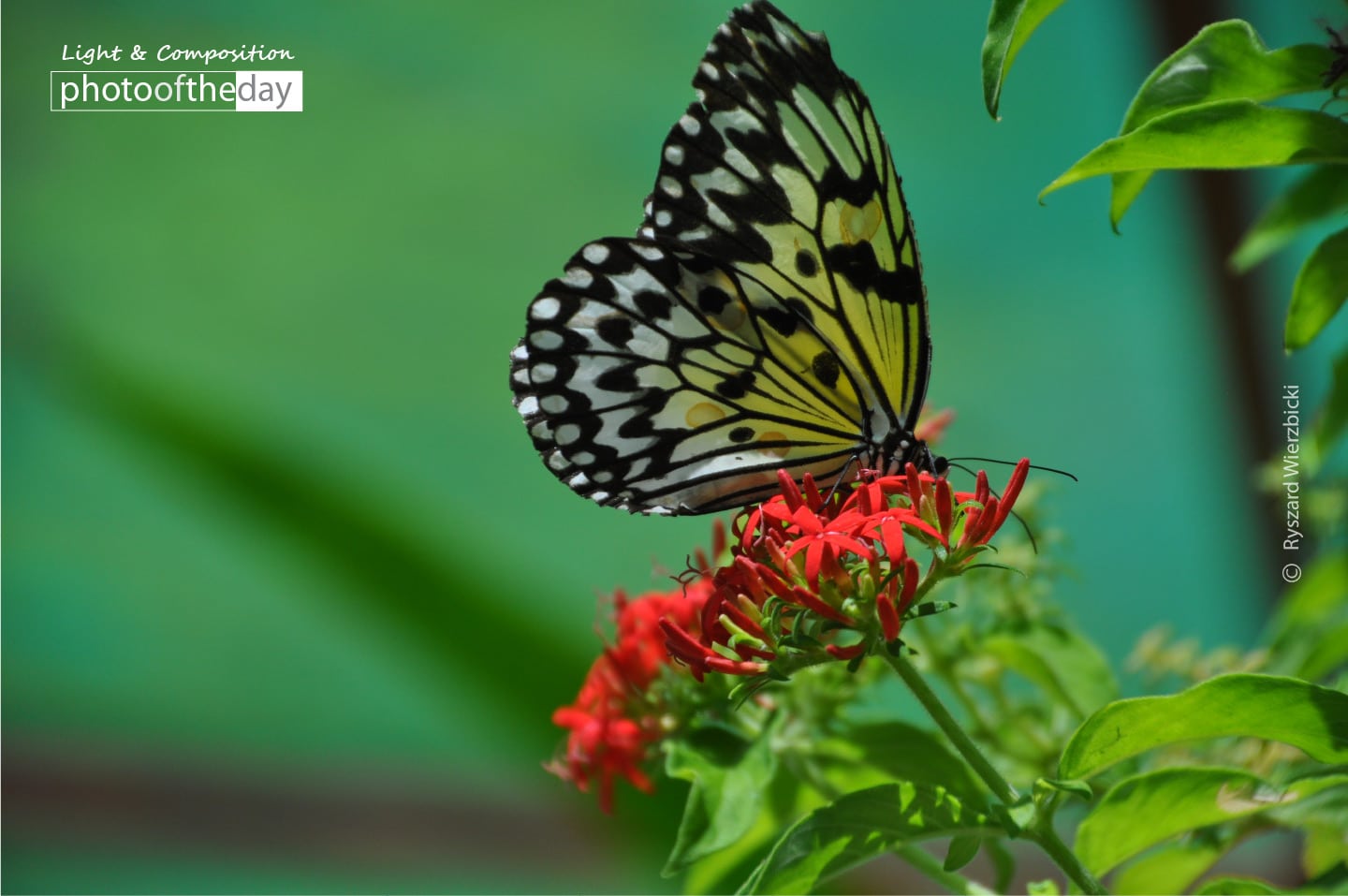
Captured amidst the vibrant ecosystem of the Butterfly Sanctuary on Siquijor Island, this photograph celebrates a delicate interplay of light and movement. The photographer skillfully navigated the lush botanical environment near Mt. Bandilaan to isolate the vivid hues and intricate patterns of the local butterfly species. By focusing on the harmony between the insects and their floral habitat, the image captures a fleeting, ethereal moment of natural beauty. The composition is award-worthy for its ability to transform a quiet, intimate encounter with nature into a striking visual narrative that highlights the sanctuary's unique, colorful character.
Ryszard Wierzbicki
Born in 1963, Ryszard Wierzbicki is a dedicated photographer and traveler currently based in Swindon, United Kingdom. After a diverse career in social sciences and marketing, he transitioned into a life of exploration, focusing his lens on the landscapes and cultures of South-East Asia. His work is deeply informed by his extensive background in scuba diving and his commitment to humanitarian efforts, such as volunteering with orphanages in Thailand and Burma. Through his photography forums, he actively fosters a community for fellow travelers to document the world around them.
Resonance Score Breakdown
Transparency Note: The resonance score (11.1/20) is calculated based on social engagement metrics collected before the award announcement.
Expert Photography Reviews · 6
The Weight of Ephemeral Things
Seneca once remarked that life is like a play; it matters not how long it lasts, but how well it is performed. We are often preoccupied with the duration of our days, measuring our worth by the accumulation of years or the permanence of our works.
Read the reflection →The Weight of Wings
In the nineteenth century, naturalists often spoke of the 'nervous energy' of the insect world, a frantic, vibrating sort of existence that seemed to defy the heavy, predictable laws of physics governing the rest of us.
Read the reflection →Reviews & Comments
Share your thoughts about this award-winning photograph. Your reviews contribute to the community engagement score.
The focal plane here is razor-thin, barely containing the butterfly’s wing scales. At this magnification, the diffraction limit threatens to soften the edges, yet the lens resolves the chitinous structures with startling clarity. I’m genuinely moved by how the bokeh, a function of the wide aperture, renders the lush Siquijor foliage into a soft, chromatic wash. It’s a rare moment where the physics of light doesn’t just capture a subject; it elevates the butterfly’s fragile geometry.
The air in Siquijor is thick with humidity, yet here, it’s perfectly still. Wierzbicki didn’t chase these wings; he waited for the sanctuary to breathe. I’ve spent hours in such heat, and I can feel the dampness clinging to his skin as he held his breath. It’s a quiet, sacred patience. When the light finally caught those iridescent patterns, he didn’t force the moment. He simply listened, and the land offered him this fragile, fleeting grace.
Nature’s architecture here lacks the rigid datum of a wall, yet it creates a threshold of pure color. I’m struck by how the light hits those wings, turning organic mass into a translucent, flickering fenestration. It’s a fleeting structural logic. While I usually crave the permanence of stone, I’ve found myself mesmerized by how this composition captures the void between petals. It doesn’t need a building to define space; the butterfly’s movement does that perfectly.
Most macro work in this category feels clinical, but Wierzbicki’s shot breathes. Of the hundreds of insect studies I’ve reviewed, this one survives because the depth of field doesn’t just isolate the subject; it forces the foliage into a soft, painterly blur that anchors the butterfly’s frantic energy. I’ll admit, the sheer vibrancy of those wings made me stop and smile. It’s a rare, quiet triumph that will still feel alive thirty years from now.
Macro photography often traps us in the sterile, clinical precision of Blossfeldt’s plant studies, yet Wierzbicki finds a different rhythm. The way he balances the butterfly’s iridescent wings against the soft, bokeh-drenched foliage evokes the painterly light of early Autochromes. It’s a delicate dance of color theory that feels remarkably fresh. I’ve spent decades cataloging such encounters, but the sheer vibrancy here genuinely stopped me in my tracks. It’s a rare, luminous departure from the usual botanical documentation.
f/5.6 at 105mm, 1/250s, ISO 400. A narrow slice of focus on a chaotic wing pattern. It’s a calculated risk that pays off. The depth of field is razor-thin, isolating the subject from the distracting foliage. I’ve spent hours chasing similar macro shots and usually end up with nothing but motion blur. Wierzbicki’s shutter speed was just enough to freeze the movement. It’s a precise, disciplined execution. The technical choices actually support the intent here.
I like the warm sunshine making the red flower stand out as well as the colors yellow and white and black of the butterfly. The butterfly and the red flower have a good separation to the green background.