Can You Smell It? by Eyad Al Shami
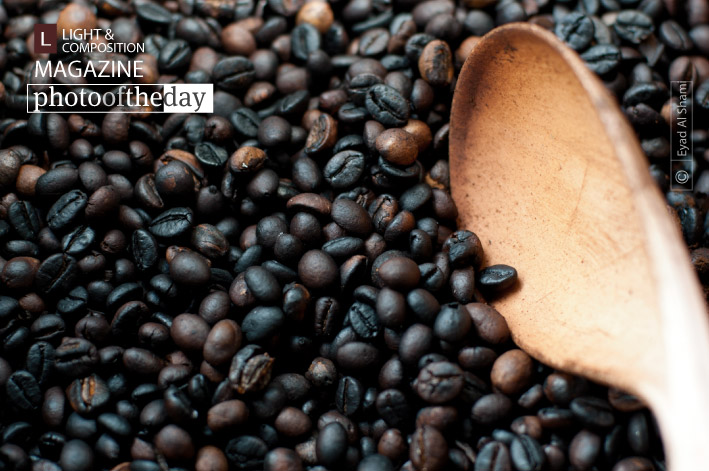
Captured in the heart of a Bali coffee plantation, this evocative image documents the traditional, labor-intensive process of roasting Luwak coffee. The photographer focuses on an elderly woman meticulously stirring beans in a large pan, a task requiring immense patience and physical endurance. By isolating this intimate moment, the image aims to transcend the visual, inviting the viewer to imagine the rich, earthy aroma of the roasting beans. The photograph succeeds as an award-worthy piece through its authentic storytelling and its ability to transform a simple, daily ritual into a sensory experience that celebrates cultural heritage and artisanal craftsmanship.
Eyad Al Shami
Born in 1976 in Jerusalem, Eyad Al Shami is a Dubai-based photographer who balances a demanding career in IT sales with a profound dedication to his craft. Since acquiring his first DSLR in 2007, he has cultivated a versatile portfolio, demonstrating a particular fascination with street photography, low-light scenes, and the candid beauty of children. Driven by a philosophy of continuous learning and rigorous practice, Al Shami utilizes his travels to capture the world around him, constantly refining his technical skills and artistic vision.
Resonance Score Breakdown
Transparency Note: The resonance score (14.9/20) is calculated based on social engagement metrics collected before the award announcement.
Expert Photography Reviews · 6
The Alchemy of Earth
There is a quiet holiness in the way we coax life from the soil, a slow conversation between the hand and the harvest. We forget that the things we consume—the warmth in a cup, the grain in a bowl—are merely stories of sun and rain, distilled into something we can hold.
Read the reflection →The Weight of the Ember
There is a rhythm to the fire that has nothing to do with time. It is a slow, circular labor. The hands move, the grain shifts, and the heat does its work in silence.
Read the reflection →Reviews & Comments
Share your thoughts about this award-winning photograph. Your reviews contribute to the community engagement score.
The frame’s geometry is anchored by the circular pan, creating a rigid fulcrum that stabilizes the chaotic motion of the beans. The woman’s posture provides a vertical axis, cutting through the horizontal grain of the smoke. It’s a disciplined arrangement of mass. I’ve rarely seen negative space utilized with such cold, clinical intent. The composition doesn’t invite sentiment; it demands structural submission. It’s a rare, brutal triumph of form over the subject’s inherent softness.
The ochre of the roasting beans, a shade reminiscent of Morandi’s dustiest pigments, bleeds into the woman’s weathered skin, creating a chromatic unity that feels almost sacred. It’s a symphony of umber and burnt sienna that I find deeply moving, as if the very air in the room has thickened with the scent of earth and fire. One can’t help but feel the heat radiating from those dark, glistening surfaces, warming the soul itself.
Most food photography is sterile, but this works because it’s gritty. Of the thousands of submissions I’ve reviewed, few capture the exhaustion of labor this well. The way the woman’s weathered hand grips that wooden paddle against the heat—it’s visceral. I can almost smell the smoke. It’s not just a process; it’s a human cost. In thirty years, we’ll still care about this woman’s focus. It’s the rare shot that earns its place in history.
One can almost feel the heat radiating from that pan. It’s a rare thing to see someone capture the exhaustion of a craft so honestly. Most would have snapped a quick frame and retreated to the shade, but Al Shami clearly stayed until the smoke settled. I’ve spent enough hours in similar humidity to know that patience isn’t just a virtue; it’s the only way to get this close. A well-earned frame, indeed.
The air here feels heavy, thick with the scent of woodsmoke and roasting earth. I’ve spent enough mornings by a fire to know the rhythm of her hands; she isn’t just stirring beans, she’s listening to them crack. The light is soft, filtered through the canopy, catching the dust of a life spent in quiet labor. It’s a humble, sacred stillness. I find myself leaning in, almost catching that deep, dark aroma. It’s beautiful.
Darkness here isn’t merely the absence of light; it’s the heavy, humid weight of the Balinese earth pressing against the frame. Al Shami doesn’t just document a ritual; he traps the labor in the charcoal depths of those shadows. I’ve stared at the woman’s hands, and they feel ancient, almost geologic. It’s haunting. When the light catches the beans, it doesn’t invite us in—it demands we acknowledge the toll that time takes on everything.
im always know that you are the best.
You are the best!! Im sure(very soon) you are going to be one of the most famous photographers :))
Love the picture….nice one Eyad
You know I love this photo very much,it’s one of my favorates :-)