On the way to Sahara by Sergey Grachev
Captured during a journey toward the vast expanse of the Sahara Desert in Tunisia, this photograph encapsulates the anticipation and raw beauty of the North African landscape. The image serves as a striking testament to the allure of the desert, focusing on the interplay of light and terrain that defines the region's unique character. By isolating the essence of the transit, the photographer highlights the profound sense of isolation and grandeur found in the dunes. This work is award-worthy for its evocative composition and its ability to transport the viewer into the heart of a timeless, shifting wilderness.
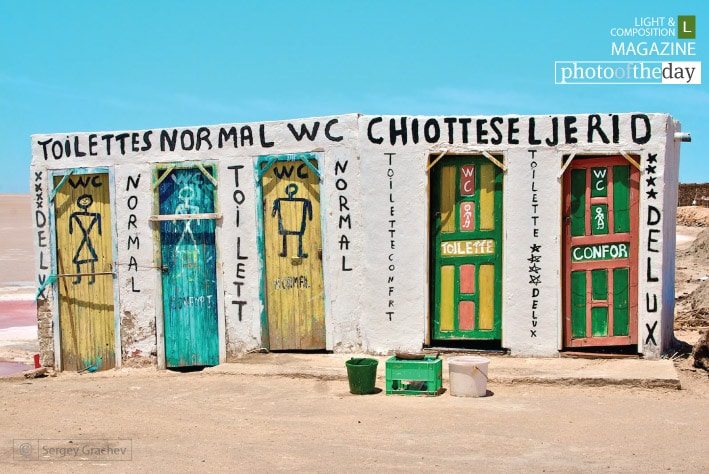
Sergey Grachev
Based in St. Petersburg, Russia, Sergey Grachev is a distinguished photographer known for his versatile work across editorial, travel, and business sectors. His portfolio reflects a visionary approach that has established him as a prominent creative force within his region and beyond. With a commitment to excellence, Grachev serves a diverse array of national and regional clients while remaining available for international assignments and stock photography projects.
Resonance Score Breakdown
Transparency Note: The resonance score (11.8/20) is calculated based on social engagement metrics collected before the award announcement.
Expert Photography Reviews · 4
The Weight of Distance
To travel is to shed layers. You leave the city, the noise, the familiar weight of your own name. Eventually, you reach a place where the horizon does not promise anything.
Read the reflection →The Architecture of Elsewhere
In the nineteenth century, explorers spoke of the desert not as a place, but as a condition of the soul. They believed that to enter the vast, shifting sands was to shed the weight of one’s own history, layer by layer, until only the essential remained.
Read the reflection →Reviews & Comments
Share your thoughts about this award-winning photograph. Your reviews contribute to the community engagement score.
Of the thousands of desert shots I’ve reviewed, most drown in their own emptiness. Grachev avoids that trap by anchoring the frame with those rhythmic, tire-worn tracks leading into the haze. It’s the tension between the mechanical path and the shifting, indifferent dunes that makes this endure. I felt a genuine shiver looking at that horizon; it’s a reminder that we’re merely passing through. It’s not just a travel snap; it’s a quiet, haunting meditation on transience.
One suspects the light cooperated on the first attempt. It often does, for the patient. Grachev’s dunes are crisp, yet they lack the grit of a man who’s spent three days waiting for the wind to settle. It’s a pleasant enough view, but I’ve felt the Sahara’s bite, and this doesn’t quite carry the sting of a hard-won frame. It’s a tidy transit, but I’m left wondering if he ever actually stopped to earn it.
The desert isn’t a landscape; it’s a void demanding an answer. Grachev’s dunes don’t just sit there; they swallow the light, forcing the shadows to do the heavy lifting of existence. I’ve stared at these ridges until my eyes ached, feeling the crushing weight of that silence. It’s not beautiful in the way tourists hope. It’s a brutal, ink-stained confrontation with nothingness. When the light fails, the truth finally begins to emerge from the sand.
The ochre here isn’t merely sand; it’s the parched, sun-bleached pigment of a Morandi still life, stretching toward an horizon where the light dissolves into the pale, bruised violet of a dying day. It’s breathtaking, really, how the shadows don’t just fall but bleed into the dunes like ink in water. One feels the heat radiating from the frame, a shimmering, golden silence that makes my own pulse slow in sympathy with the desert’s vast, ancient indifference.