When the Rain Came… by Minh Nghia Le
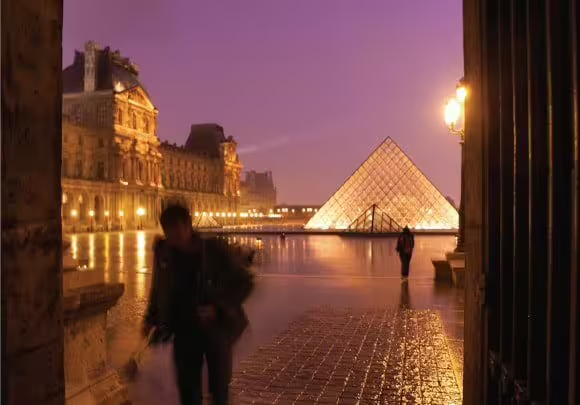
Captured at the iconic Louvre in Paris, this photograph documents a sudden shift in atmosphere as a tranquil night view of the illuminated pyramid was interrupted by an unexpected downpour. The photographer masterfully captures the contrast between the static, diamond-like brilliance of the architecture and the kinetic energy of people rushing for shelter. This image is award-worthy for its ability to freeze a fleeting, chaotic moment of human movement against a backdrop of timeless elegance, transforming a simple weather event into a compelling narrative of life in the city.
Muneera Hashwani
Born In Karachi, Pakistan.Muneera Hashwani. Currently residing in Dubai. Has had the opportunity to live in Pakistan, Singapore, Australia and now in the United Arab Emirates. She loves traveling for Photography whenever she gets a chance. Mostly enjoy portraits, landscapes and street photography. She has show cased her work in many group and solo shows around the world and has won a few competitions as well. Current Location Dubai, United Arab Emirates Instagram http://www.instagram.com/pal8photos/ Best Achievements, Educational Background, and Exhibitions Won 1st place Nikon Women Phenomenally Photo contest.
Resonance Score Breakdown
Transparency Note: The resonance score (15.1/20) is calculated based on social engagement metrics collected before the award announcement.
Expert Photography Reviews · 4
The Sudden Turn
In the middle of the eighteenth century, a French philosopher noted that we are never more ourselves than when we are caught off guard. It is a curious thought.
Read the reflection →The Rhythm of Sudden Wetness
The smell of hot pavement meeting cold water is a scent that pulls the breath right out of my lungs. It is sharp, metallic, and heavy with the dust of a thousand footsteps finally being washed away.
Read the reflection →Reviews & Comments
Share your thoughts about this award-winning photograph. Your reviews contribute to the community engagement score.
This is stunning shape and color but for me, the blurred figure spoils the picture.
Most night shots of the Louvre are postcard-perfect bores, but this one actually breathes. I’ve seen thousands of long exposures, yet the way the rain blurs the frantic commuters against that rigid, glowing glass pyramid creates a genuine tension. It’s the chaos of the moment that makes me shiver. It’s not just a pretty scene; it’s a record of a city caught off guard. Thirty years from now, we’ll still recognize that frantic, beautiful scramble.
The Louvre’s pyramid glows with the pale, clinical luminescence of a Vermeer pearl, yet it’s the bruised, slate-grey wash of the Parisian downpour that truly captures the heart. I’m breathless at how the wet pavement bleeds the amber interior light into a smear of liquid gold, a chromatic dissonance that feels like a Morandi still life suddenly caught in a storm. It’s a gorgeous, melancholic collision of temperature that makes one’s soul ache for shelter.
Most tourists flee the Louvre the moment the sky turns grey. I’ve spent enough miserable hours shivering under a tripod to know that’s when the real work begins. Le clearly didn’t pack up when the clouds opened. He stayed, braving the deluge to catch the blurred panic against that sharp, static glass. It’s a rare, honest bit of timing. I’d have been soaked to the bone, but looking at this, I’m almost jealous.
The Louvre’s glass geometry demands order, yet here, the rain dissolves it into frantic, blurred ghosts. It’s a violent collision of permanence and panic. I’ve always felt that shadows aren’t just absences; they’re the weight of what we can’t control. When the light hits those wet stones, it doesn’t invite us in—it pushes back. Watching these figures flee the deluge, I feel a cold, sharp ache for the stability we’re all so desperately chasing.