Moroccan Pavilion by Shamma Esoof
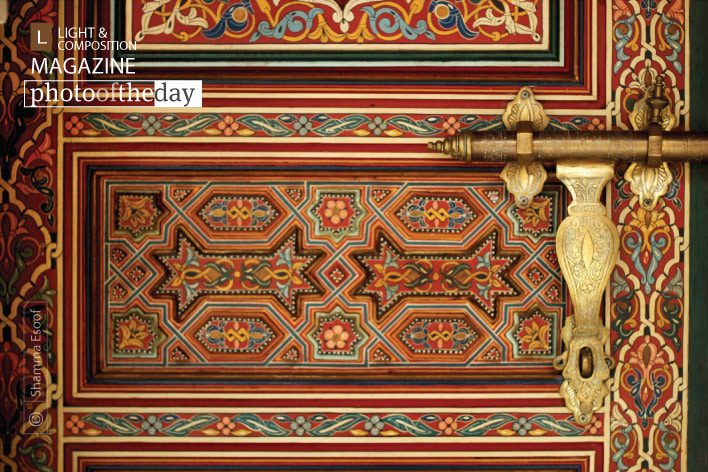
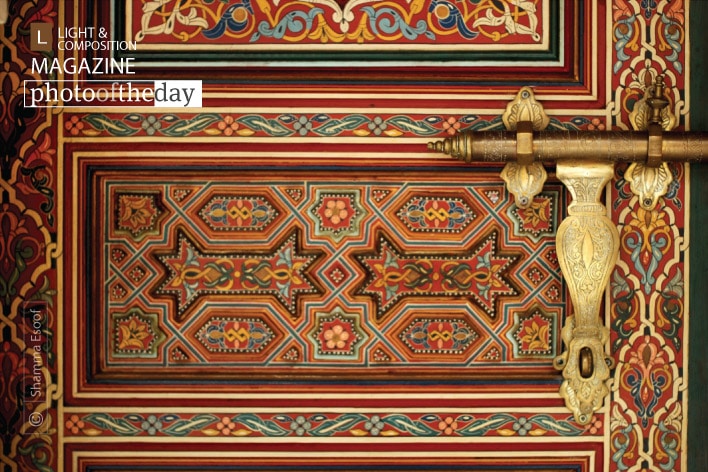
The Moroccan Pavilion in Putrajaya, Malaysia, serves as a stunning testament to the intricate beauty of Islamic design. Captured with a shallow depth of field, the photograph highlights the pavilion's elaborate mosaics and delicate bas-relief floral motifs. By isolating these architectural details, the photographer draws the viewer into a space that feels transported from North Africa to Southeast Asia. The image is award-worthy for its ability to transform a static structure into a vibrant narrative of geometry and color, showcasing the photographer’s keen eye for finding cultural elegance in unexpected locations.
Shamma Esoof
Based in Puchong, Malaysia, Shamma Esoof is a versatile creative who balances her time between professional photography, makeup artistry, and creative direction. Her aesthetic is defined by a commitment to simplicity and elegance, which she applies to both portraiture and her dedicated volunteer work with animal rescue organizations. Beyond her technical skill behind the camera, she actively coaches models and develops conceptual frameworks for collaborative shoots, driven by a passion for animal welfare and the empowerment of young people.
Resonance Score Breakdown
Transparency Note: The resonance score (12.7/20) is calculated based on social engagement metrics collected before the award announcement.
Expert Photography Reviews · 7
Patterns in the Quiet
I spent an hour this morning trying to organize my bookshelf. I started by color, then by author, then by how much I actually liked the stories inside. It was a mess of a project, but there was something grounding about the repetition of the spines and the way they fit together.
Read the reflection →The Weight of Pattern
We build walls to keep the wind out, but eventually, we find ourselves tracing the lines we have carved into the stone. There is a hunger in the human hand to repeat a shape until it becomes a prayer.
Read the reflection →Reviews & Comments
Share your thoughts about this award-winning photograph. Your reviews contribute to the community engagement score.
Shooting at f/1.4 on a D90 creates a razor-thin focal plane that forces the eye to confront the geometry of these mosaics. The bokeh, a function of that wide aperture, dissolves the background into a soft, chromatic wash, isolating the bas-relief’s texture. It’s a daring choice. I’m genuinely moved by how the light catches those floral motifs; it’s as if the lens is whispering secrets about the stone that the human eye simply can’t resolve.
The geometry pulls me in. It’s a tight focus, yet the blur behind the tiles creates a necessary breath. I’ve spent minutes watching the light catch the relief. It doesn’t demand attention. It waits. I feel a sudden, sharp ache for the quiet of the pavilion itself. Nothing here is accidental. The empty corner is not empty. It’s a pause. A rare, deliberate silence in a frame that could have been loud.
The ochre of these tiles, reminiscent of a sun-bleached Morandi still life, vibrates against the cool, shadow-drenched turquoise of the intricate geometric relief. It’s a chromatic dialogue that feels almost tactile, like running one’s fingers over ancient, sun-baked clay. I’m utterly breathless at how the light catches the glaze, turning the pavilion into a shimmering, desert mirage; it’s as if the very air of Putrajaya has been stained by the ghosts of a distant, golden North Africa.
The shallow depth of field creates a precarious spatial tension. It’s a gamble that pays off. The sharp focus on the bas-relief floral motifs forces the eye to ignore the background’s blur, anchoring the composition against the frame’s edge. I’ve rarely seen such discipline in isolating geometry. It doesn’t rely on narrative; it relies on the weight of the stone. The frame holds because the architecture demands it. It’s a cold, precise victory of form.
The shallow depth of field here doesn’t just isolate detail; it abandons the structure to a haunting, blurred void. I’m unsettled by how the light clings to those floral motifs, leaving the surrounding geometry to drown in a soft, suffocating darkness. It’s a fragile, lonely beauty. When I look at these mosaics, I don’t see architecture. I see a desperate, flickering attempt to hold back the encroaching night. It’s a brave, quiet surrender to the shadows.
The light here isn’t just illumination; it’s a soft, breathing presence. Shamma chose a shallow depth of field, letting the background dissolve into a gentle, golden blur. I find myself leaning in, wanting to touch those cool, carved tiles. She stood in the quiet heat of Putrajaya, waiting for the shadows to soften just so. It’s a rare, intimate stillness. I’ve felt that same hum of patience before, when the world finally stops moving for you.
Most architectural shots are just postcards, but this one lingers. By choosing f/1.4, Shamma Esoof forces us to confront the geometry rather than the building. It’s a risky gamble that pays off; the blur of the background turns the Moroccan tiles into a soft, rhythmic pulse. I’ve seen thousands of travel shots, yet this one feels like a secret. It’s the kind of quiet, deliberate focus that’ll still feel relevant when the trends of 2012 are long forgotten.