The Architecture of Enclosure
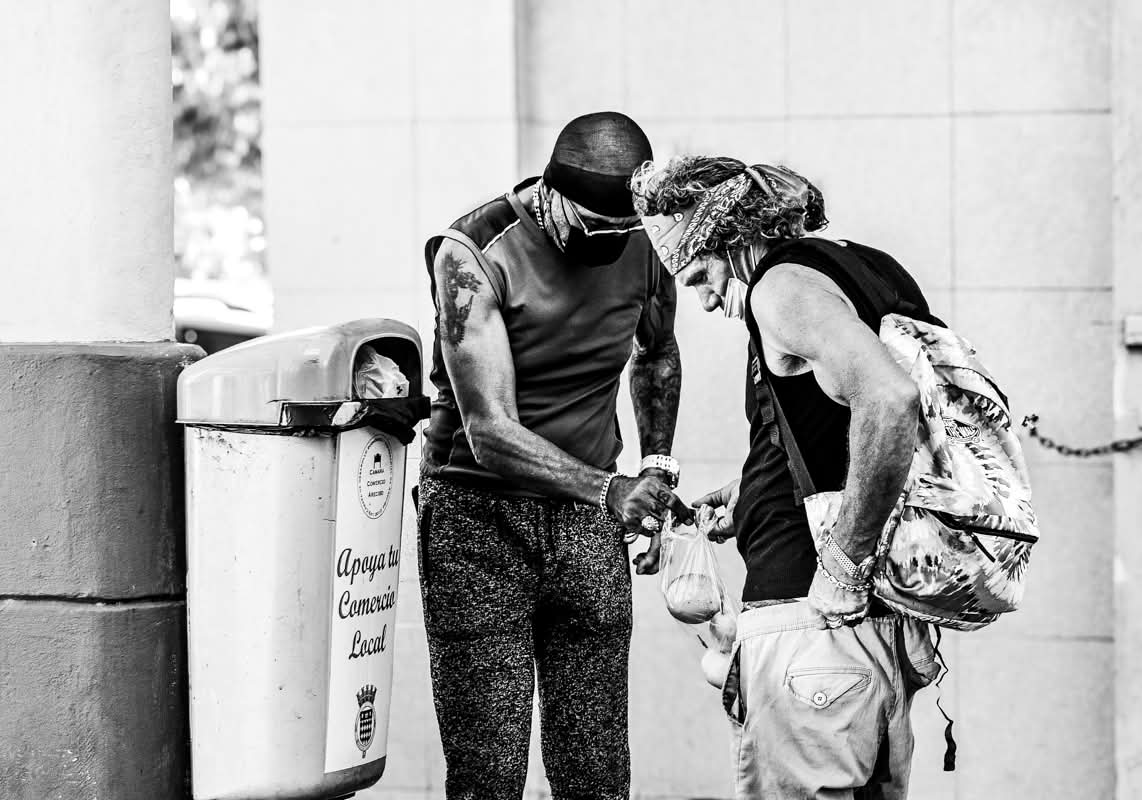
We often speak of the city as a collection of concrete and glass, but every environment—even the wild—is defined by its boundaries. We build walls, fences, and canopy lines to dictate who belongs and who is kept out. There is a profound tension in the act of looking toward a source of light when the surrounding structure feels heavy, dense, or impenetrable. It is a universal human impulse to seek the exit, to find the sliver of brightness that promises a world beyond the immediate constraints of our habitat. We are all, in some sense, navigating the architecture of our own enclosures, constantly measuring the distance between where we are tethered and where we wish to be. When the environment is designed to keep us in place, the gaze becomes an act of rebellion. It is the only part of us that remains truly mobile, reaching for the horizon while our feet remain firmly planted in the soil of our circumstances. What happens to a community when the light is only ever visible from a distance?
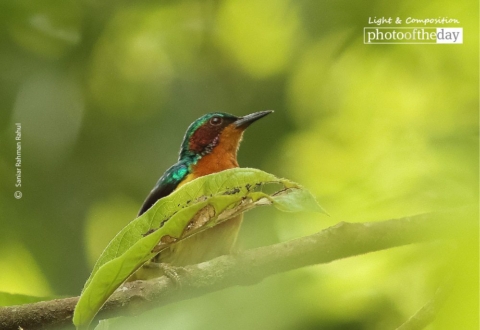
Saniar Rahman Rahul has taken this beautiful image titled Looking towards the Light. It serves as a stark reminder that even in the deepest thickets, the desire for the open air remains our most persistent instinct. Does this bird’s search for the light mirror the way we navigate our own crowded urban spaces?