The Family Meal by Ryszard Wierzbicki
Captured in the intimate setting of a Smokey Mountain home, this photograph documents a quiet, shared family meal. The photographer, guided by a local taxi driver, sought permission to enter this private space, fostering a moment of genuine connection before documenting the scene. By offering a small gesture of kindness to the children, the photographer bridged the cultural gap, allowing for an authentic, unposed glimpse into daily life. The image is award-worthy for its respectful approach to documentary photography and its ability to transform a simple, domestic ritual into a poignant narrative of human connection and cultural exchange.
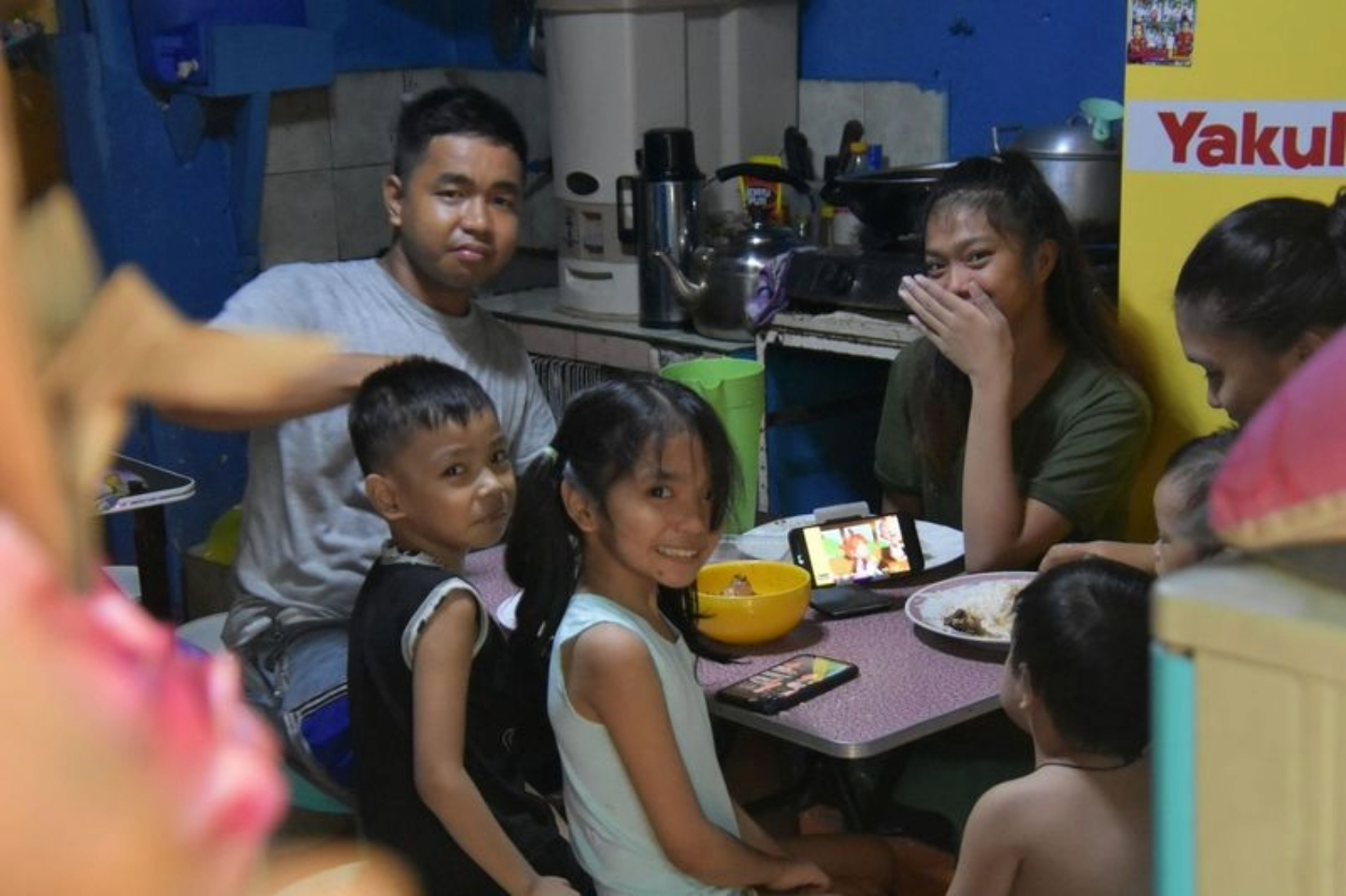
Ryszard Wierzbicki
Born in 1963, Ryszard Wierzbicki holds a Master's degree in Social Sciences from the University of Gdańsk. His diverse professional background spans child care, dentistry, and IT, alongside a dedicated career as a PADI scuba instructor. Since relocating to the United Kingdom in 2006, he has traveled extensively throughout Southeast Asia, where he actively volunteers with orphan charities. A passionate photographer and community builder, he founded the travel and photography forums Instant Travelling and World Around in 2010, and currently balances his life as a marketing advisor and tour organizer.
Resonance Score Breakdown
Transparency Note: The resonance score (6.7/20) is calculated based on social engagement metrics collected before the award announcement.
Expert Photography Reviews · 7
The Table Between Us
I burned my toast this morning, a small, charred mistake that left the kitchen smelling like charcoal for hours. I stood there scraping the black bits off into the sink, feeling annoyed at the wasted bread and the wasted minute.
Read the reflection →The Weight of a Shared Spoon
When I was seven, my grandmother would sit me at the scarred wooden table in her kitchen, the air always thick with the smell of scorched garlic and damp earth. She didn't have much, but she had a way of dividing a single bowl of rice so that it felt like a feast.
Read the reflection →Reviews & Comments
Share your thoughts about this award-winning photograph. Your reviews contribute to the community engagement score.
The light hits the table and everything stops. It’s a quiet, heavy silence. I’ve seen a thousand meals, but this one holds a tension that doesn’t break. The 38mm lens keeps us close, right in the thick of their intimacy. It’s a frame the editor keeps because the cut would have been a mistake. Honestly, it makes my chest ache. Wierzbicki didn’t just take a photo; he caught the exact second before the world moved on.
It’s easy to snap a shutter and call it documentary. Most don’t bother with the taxi driver or the awkwardness of asking to sit in a stranger’s home. Wierzbicki clearly did. He didn’t just drop in; he stayed until the camera became an afterthought. I’ve spent enough nights in damp tents to recognize the patience required to earn this level of intimacy. It’s a quiet, honest piece of work. I’d have been proud to take it.
It’s a quiet scene, but I’m unsettled by the transactional nature of this access. Offering a gesture to children to secure a shot feels like a shortcut, not a connection. In my field, we wait days for trust; we don’t buy it. I find the proximity here intrusive, almost performative. It’s technically competent, sure, but it lacks the earned intimacy of a moment that happens because you’ve become part of the landscape, not a visitor.
Before the eye identifies the poverty of the room, something in the chest tightens. It’s the quiet, rhythmic weight of the shared meal that anchors you. I’ve found myself returning to the way the light catches their hands; it’s a visceral, grounding activation. When I look at it now, I don’t see a travel study. I feel the sudden, sharp ache of my own hunger for that kind of proximity. It’s hauntingly, beautifully human.
The ochre light clinging to these walls evokes a Morandi still life, yet it’s the bruised, subterranean violet of the shadows that truly arrests one’s heart. It’s a palette of survival, where the warm, flickering amber of the meal glows against the cool, damp grey of poverty. I’m genuinely moved by how the light doesn’t just illuminate the faces; it binds them in a chromatic embrace that feels, quite frankly, like a sacred, fragile prayer.
The spoon is halfway to the child’s mouth, but the wrist hasn’t locked into the feeding rhythm yet. It’s a millisecond early. I’ve spent my life watching bodies hit their apex, and here, the tension is just shy of the mark. It’s a quiet scene, sure, but I’m left waiting for the connection to fully land. It’s almost there, but it’s not quite the frame. I wanted to feel the hunger, but I’m just watching.
You didn’t just walk in and take; you sat down. I can feel the weight of that room in the way the light hits their faces. It’s not about the poverty of Smokey Mountain, but the dignity of a shared plate. My chest tightened looking at the kids. You waited for the truth, and it’s there in their eyes. Because you earned your seat at that table, the camera didn’t lie. That’s rare work.