The Minimalist by Aman Raj Sharma
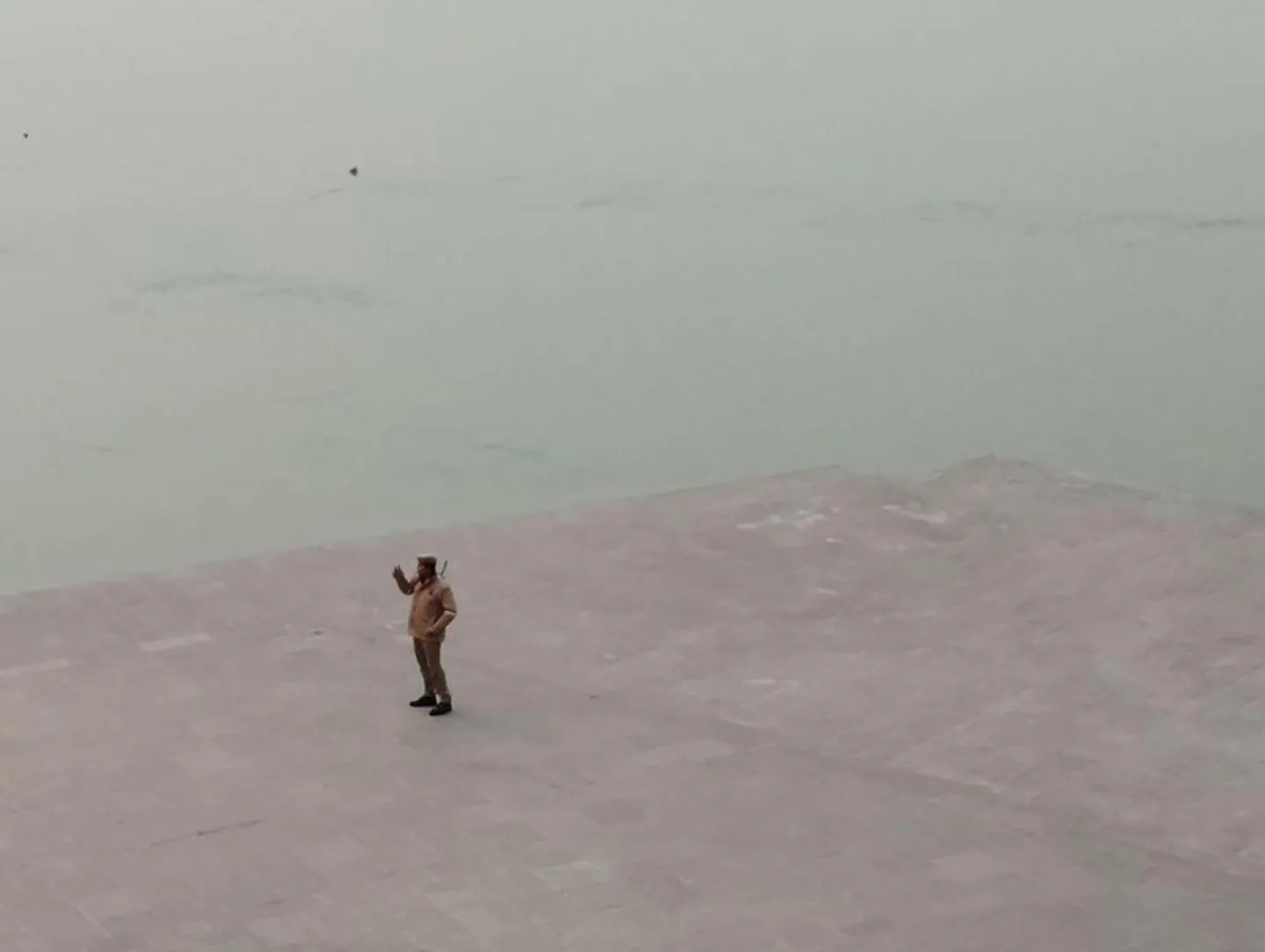
Captured in the Sundarbans during December 2023, this photograph documents a quiet encounter with a Common Sandpiper navigating the mud and water. The photographer focused on the stark contrast between the small bird and the vast, untamed landscape, emphasizing the beauty found in simplicity. By stripping away visual clutter, the image invites the viewer to appreciate the elegance of the mundane. This award-winning composition is a testament to the power of minimalism, proving that profound narratives can be crafted from the most subtle elements of the natural world.
Aman Raj Sharma
Based in Bangalore, Karnataka, Aman Raj Sharma is a dedicated photographer who specializes in capturing the essence of unique locations and fleeting experiences. With a keen eye for detail and a creative approach to his subjects, he seeks to uncover the extraordinary within the ordinary. His work reflects a deep commitment to visual storytelling, consistently highlighting the beauty of the natural world through a minimalist and thoughtful lens.
Resonance Score Breakdown
Transparency Note: The resonance score (6.4/20) is calculated based on social engagement metrics collected before the award announcement.
Expert Photography Reviews · 3
The Quietude of the Edge
I often find myself wandering the periphery of the city, where the pavement finally gives way to the wild, unkempt edges of the riverbank. There is a specific kind of silence that exists only at the border of the human-made world and the untamed.
Read the reflection →The Weight of Small Things
It is 3:14 am. The house is holding its breath, and for once, I am not trying to fill the silence with noise. We spend our days convinced that significance is measured in scale—in the height of our ambitions or the volume of our voices.
Read the reflection →Reviews & Comments
Share your thoughts about this award-winning photograph. Your reviews contribute to the community engagement score.
Most photographers would obsess over the sandpiper’s plumage, but I’m drawn to the muddy, unresolved void surrounding it. It’s closer to Sugimoto’s long-exposure theatres than conventional wildlife documentation. Why resolve the texture of the silt when the blur of the tide tells a deeper story? I find the lack of clinical sharpness here genuinely refreshing. It’s an intentional surrender of detail that forces us to confront the vast, indifferent silence of the Sundarbans.
The frame’s geometry relies on the sandpiper’s placement at the lower-left fulcrum. It’s a precarious balance. The vast, negative space of the mudflats exerts a crushing weight, yet the bird’s sharp silhouette holds the composition together. It doesn’t collapse. I’m genuinely unsettled by how the negative space threatens to swallow the subject whole. The visual architecture is tight, disciplined, and entirely unforgiving. It’s a rare instance where the emptiness actually earns its keep.
The POCO’s sensor struggles with the diffraction limit here, yet the focal plane’s placement on the sandpiper is surprisingly sharp. I’m genuinely moved by how the lens renders the mud’s texture; it’s a delicate interplay of light scattering across wet silt. While the chromatic aberration around the bird’s silhouette reveals the sensor’s constraints, the bokeh as a function of that small aperture creates a haunting, minimalist void. It’s a brave, quiet study of optics in the wild.