Women at Work by Swati Iyer
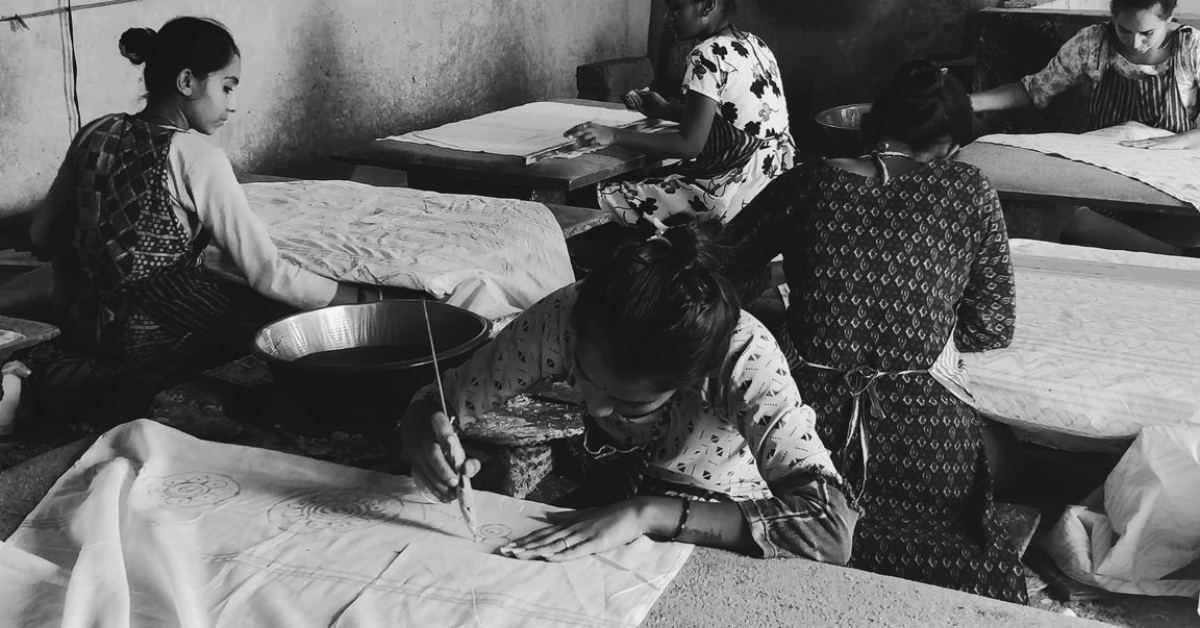
In the vibrant workshops of Kutch, Gujarat, Swati Iyer captures a poignant scene of young women meticulously hand-painting traditional patterns onto textiles. This image documents the intricate craft of block printing, a cultural cornerstone of the region, where artisans transform raw fabric into finished garments and accessories. By focusing on the rhythmic, focused movements of the women, the photographer highlights the intersection of heritage and daily labor. The photograph is award-worthy for its authentic storytelling and its ability to elevate a traditional vocational practice into a compelling visual narrative, celebrating the quiet dedication of these artisans within their workspace.
Swati Iyer
Based in the energetic city of The Hague, Dutch photographer Swati Iyer possesses a profound appreciation for the artistry found in ordinary moments. With a sharp eye for detail and a talent for narrative, she captures the essence of her surroundings through both professional DSLR equipment and the spontaneity of mobile photography. Her work, which ranges from the peacefulness of nature to the bustling activity of modern life, consistently seeks out distinctive viewpoints that evoke deep emotion and tell a story.
Resonance Score Breakdown
Transparency Note: The resonance score (7.0/20) is calculated based on social engagement metrics collected before the award announcement.
Expert Photography Reviews · 3
The Rhythm of Hands
The thread is long. The day is longer. We measure our lives in repetitions.
Read the reflection →The Dignity of the Task
Seneca once reminded his friend Lucilius that we should not seek to be busy, but to be useful. He argued that the mind finds its true rest not in idleness, but in the focused application of one's faculties toward a purpose that extends beyond the self.
Read the reflection →Reviews & Comments
Share your thoughts about this award-winning photograph. Your reviews contribute to the community engagement score.
The rhythm here is everything. Swati caught the hands mid-motion, that precise blur of labor that defines the Kutch workshops. It’s honest. If she’d waited a heartbeat longer, the focus would’ve shifted and the tension would’ve died. I love the way the light hits the fabric—it’s raw, unposed, and alive. Cartier-Bresson would’ve tipped his hat to this timing. It’s not just a craft; it’s a heartbeat frozen in time. She was paying attention.
In the workshops of Kutch, light doesn’t merely illuminate; it interrogates. Iyer’s frame captures the women’s hands, yet it’s the encroaching darkness that defines their labor. It’s heavy, almost suffocating, forcing the patterns to emerge from the void like a memory struggling against oblivion. I’ve stared at these shadows until my own eyes ached. They don’t just hold the textile; they hold the weight of a vanishing history. It’s a brutal, beautiful silence that refuses to be ignored.
The rhythmic geometry here echoes the industrial dignity found in Lewis Hine’s textile mill studies, yet Iyer’s 24mm perspective pulls us into the intimacy of the Kutch workshop. It’s a delicate balance; she avoids the romanticized ethnographic trap by grounding the labor in sharp, tactile detail. I’m genuinely moved by the way the light catches the pigment—it’s a rare, quiet honesty that feels entirely fresh amidst the long, weary history of documentary photography. It’s a triumph.