Orange Petals by Dawid Theron
In this striking macro study, the photographer explores the intricate textures of a daisy flower through the creative use of a reversed kit lens. By repurposing standard equipment to achieve high-magnification results, the artist captures the delicate, vibrant orange petals with remarkable intimacy. The image highlights the hidden geometry and soft gradients of the floral subject, transforming a common garden bloom into a complex landscape of light and color. This photograph is award-worthy for its technical ingenuity and the ability to reveal the profound beauty found within the minute details of the natural world.
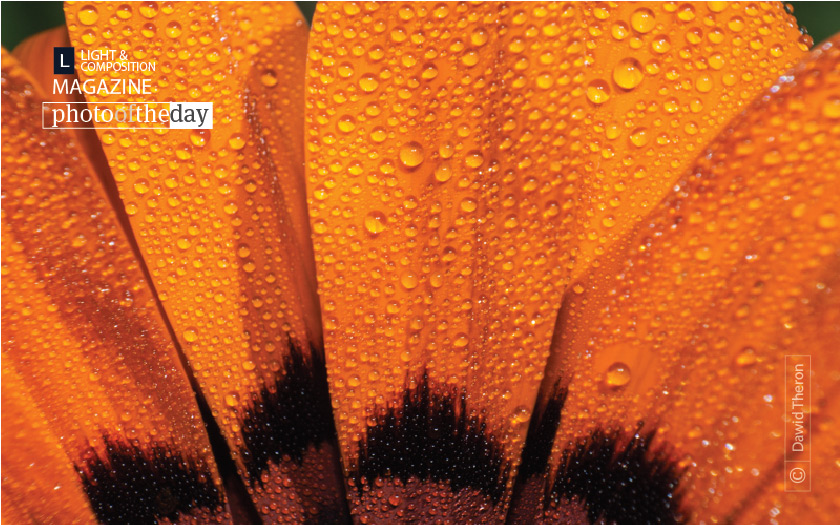
Exposure 1/100sec | ISO 100 | Focal Length 18-55mm
Dawid Theron
Based in Tulbagh, South Africa, Dawid Theron is a dedicated photographer with a keen interest in the technical challenges of macro imagery. His work often explores the intersection of experimental equipment and natural subjects, seeking to uncover the extraordinary details hidden in everyday environments. Through his focus on close-up photography, Theron demonstrates a patient and methodical approach to his craft, consistently pushing the boundaries of his gear to create compelling, high-detail compositions that resonate with an international audience.
Resonance Score Breakdown
Transparency Note: The resonance score (12.6/20) is calculated based on social engagement metrics collected before the award announcement.
Expert Photography Reviews · 8
The Quiet Geometry of Growth
I spent an hour this morning kneeling in the dirt, trying to pull weeds from between the pavers in my walkway. My knees were aching, and the sun was starting to feel a little too heavy on my back.
Read the reflection →The Architecture of the Small
Why do we assume that significance requires scale? We spend our lives looking for meaning in the grand gestures of history or the sweeping arcs of our own ambitions, ignoring the quiet, intricate systems that hold the world together.
Read the reflection →Reviews & Comments
Share your thoughts about this award-winning photograph. Your reviews contribute to the community engagement score.

Before the eye identifies the flower, something in the chest tightens. It’s the sudden, visceral heat of that orange—a color so saturated it feels like a fever. I’ve spent minutes tracing those velvet ridges, and my pulse actually slows. When I return to it, the petals feel less like flora and more like a landscape I’ve inhabited in a dream. It doesn’t just show a bloom; it pulls the quiet, hidden geometry right into my lungs.
1/100sec, ISO 100, reversed 18-55mm kit lens. It’s a crude hack, but the optics hold. Reversing the glass forces a razor-thin plane of focus that demands absolute stillness. Theron’s managed to keep the petal structure sharp despite the lack of a dedicated macro barrel. I’ve spent years mocking kit lenses, yet this geometry works. It’s technically precarious, but the execution is precise. I’m genuinely impressed he didn’t let the diffraction ruin the orange gradients. Correct choices.
Reversing an 18-55mm kit lens forces the focal plane into a razor-thin sliver, pushing the optics to their diffraction limit. Theron’s capture of these orange petals reveals a structural complexity the naked eye simply ignores. The chromatic aberration at the edges is a small price for such intimacy. I’m genuinely moved by how the light renders these cellular textures; it’s a visceral reminder that even humble glass can unveil a universe hidden in plain sight.
There’s a quiet hum in these orange petals, a vibration I’ve felt only when the sun hangs low over the Western Cape. Dawid didn’t just photograph a bloom; he listened to the way light clings to those delicate, velvet edges. It’s an act of deep surrender. Looking at this, I feel a sudden, sharp ache for the stillness of Tulbagh. He waited for the flower to reveal its geometry, and in that patience, he found grace.
The frame pulses. It’s a macro sequence frozen mid-breath, where the orange petals bleed into a soft, cinematic bokeh. I’ve seen a thousand floral studies, but this one feels like a slow-motion close-up in a Terrence Malick film. The reversed lens creates a depth of field so shallow it’s almost fragile. It’s honest, raw, and I’m genuinely moved by how the light clings to those edges. The editor keeps this shot. It’s perfect.
Most macro work I see is just clinical documentation, but Theron’s choice to reverse a kit lens forces a raw, tactile depth that feels almost sculptural. The way those orange petals bleed into the frame’s soft edges creates a genuine sense of vertigo; I found myself leaning in, half-expecting the scent of pollen. It’s the deliberate lack of perfect sharpness that saves this from being a mere technical exercise. It’s honest, and that’s why it’ll endure.
We often forget that nature has a face, too. When we lean into Dawid’s orange petals, we aren’t just seeing a flower; we’re meeting a life that’s been listening to the Tulbagh sun. It’s a portrait of resilience, captured in the quiet geometry of a bloom. I find myself holding my breath, feeling the warmth of those gradients. It’s a photograph that asks to be returned to, because it’s finally told us its secret.
The frame’s geometry is tight, almost claustrophobic. It’s a study in radial tension. The petals don’t just exist; they anchor the picture plane, forcing the eye toward a central, unseen fulcrum. It’s clinical, yet the orange saturation creates a jarring, rhythmic pulse. I’ve grown weary of floral sentimentality, but the structural discipline here is undeniable. It doesn’t rely on the subject’s beauty. It relies on the weight of the composition. It’s a rare, cold success.